TN Court of Appeals wrestles with copyright as exception to state public records act
A three-judge appellate court in Tennessee last week considered thorny issues arising from a lower court’s ruling that the U.S. Copyright Act preempts the Tennessee Public Records Act, allowing records custodians to withhold public records if someone asserts they possess a copyright to the material.
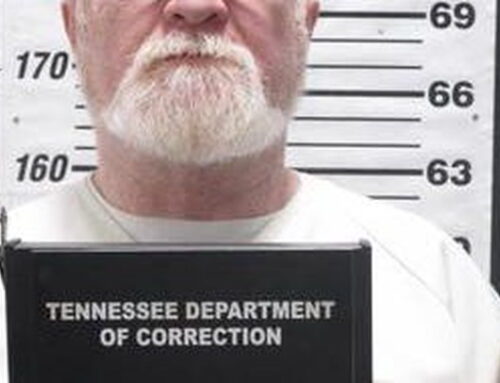
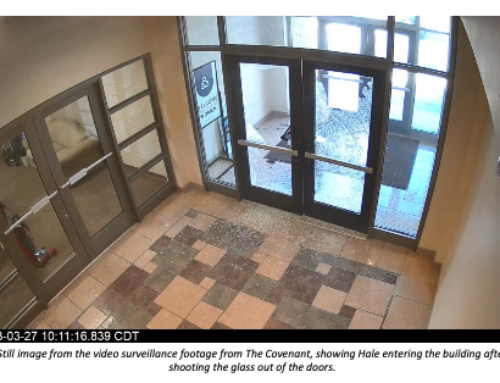
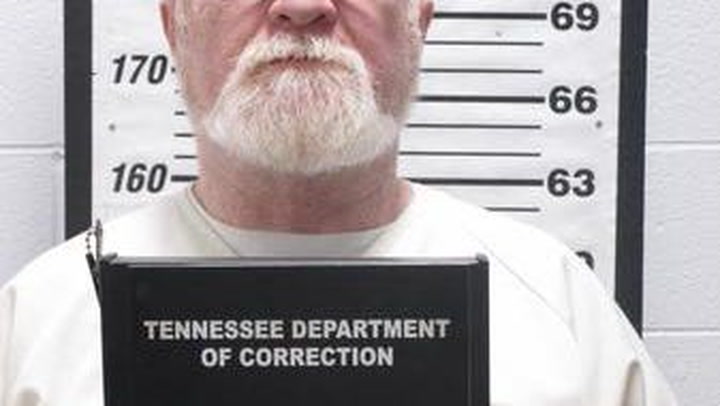
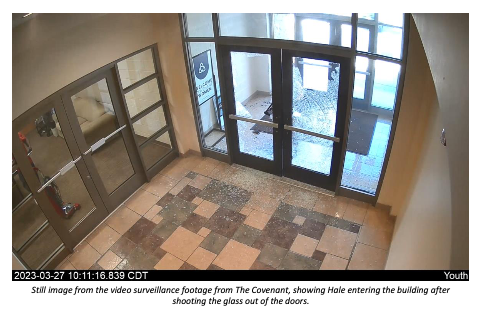
The appeal stems from a public records case against Metro Nashville. Nashville’s police department denied multiple public records requests for materials created by school shooter Audrey Hale that the police had collected as part of its investigation. Hale shot and killed six people, including three children, at the Covenant School in Nashville on March 27, 2023, before police shot and killed Hale on the scene. Police later found several journals and other material created by Hale describing her actions leading up to the shooting and the evolution of her intentions and motivation.
During the public records case, the parents of Covenant School children asserted that they owned the copyright of all of these materials created by Hale, which they said were given to them by Hale’s parents “in trust for the benefit of their children.” They objected to Nashville releasing them under a public records request, and the city of Nashville obliged. (Typically, the contents of a police investigative file must be released in Tennessee upon a public records request once an investigation or prosecution is over and the contents do not fall under another state law exemption.)
Davidson County Chancellor I’Ashea Myles ruled in favor of the parents in July 2024 that the Copyright Act prohibited Nashville police from releasing any of the shooter’s materials. Those seeking the records had argued that any case involving a copyright infringement should be heard in federal court, not in state court.
Should state trial courts determine copyright infringement?
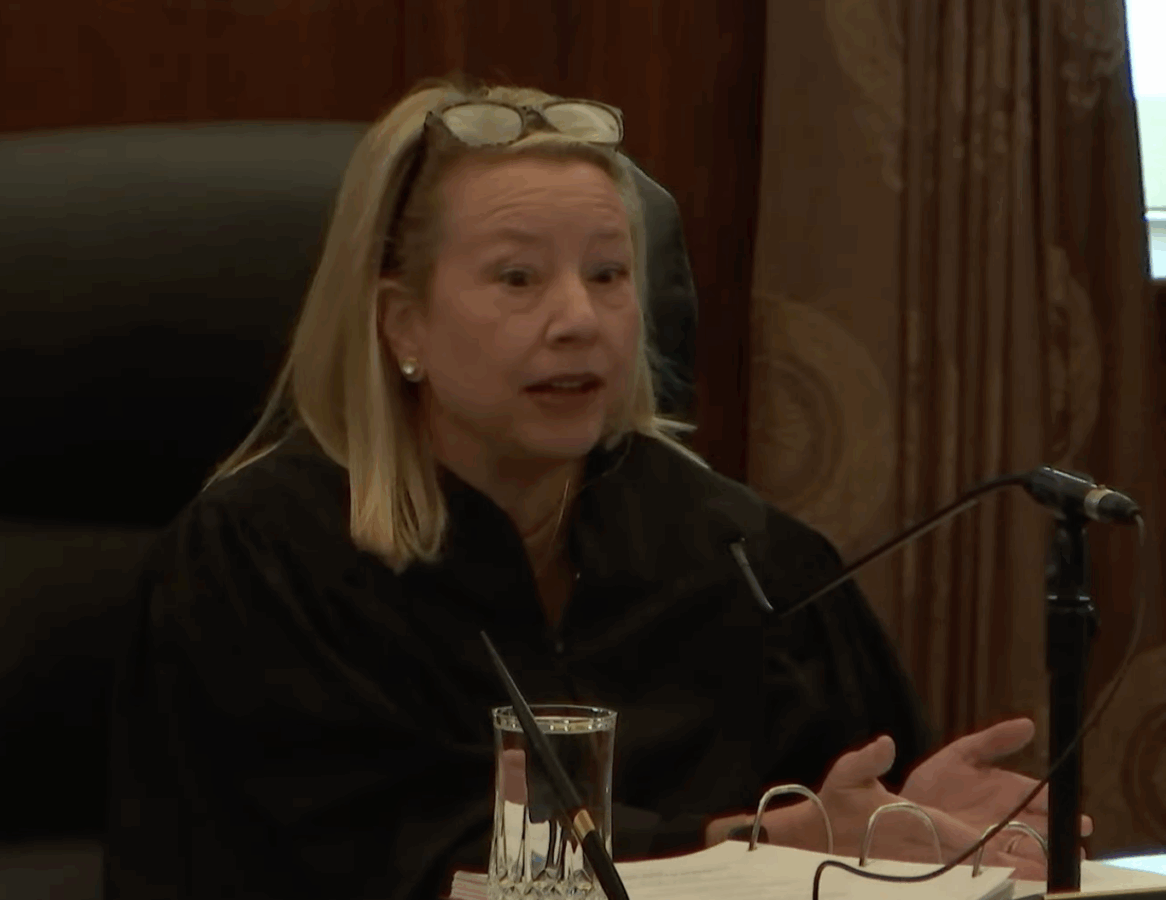
Court of Appeals judge asks questions about how a copyright enforcement action would should work in state court.
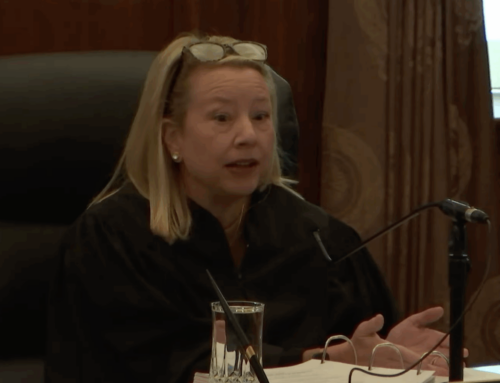
During arguments in the appeals hearing on Oct. 30., Judge Kristi Davis, one of the three judges on the panel, asked several questions. The other two judges were Judge John Westley McClarty and Judge Thomas R. Frierson, II, neither of which asked questions of the attorneys making their cases.
Davis said she had a twofold concern about the use of copyright as an exception to the state public records law. She asked if a public records court case in which someone is challenging a government denial of a public record based on the federal copyright law can be turned “into sort of a de facto copyright infringement action under the guise of being a public records act request.”
And if so, “…the result is, the trial court has to decide things like, is there a valid copyright? If so, is the use of (the copyrighted material)… infringement? If so, are there exceptions? Is it fair use? And is that what we want our state trial courts to do?” Davis asked.
Second, Davis asked, if the court should be considering copyright infringement in a public records case, “did the chancellor in this case even do that? Because it looks to me like she just said copyright exception — infringement — but certainly no analysis of potential defense of fair use.”
(Fair use is a legal doctrine in U.S. copyright law that allows use of copyrighted material without permission from the copyright holder for purposes such as commentary, criticism, news reporting, teaching or research. It is determined in a copyright enforcement lawsuit by evaluating four factors: the purpose of the use, the nature of the copyrighted work, the amount used and the effect on the market for the original work.)
Eric Osborne, who represents the parents of Covenant School children responded: “I think the simple answer is that you never even get to fair use when you have an author of an unpublished material who has asserted their right not to have that material published.”
Davis said the public records act requires that the documents be available for inspection, leading to “a whole discussion about whether that is even…publication. Is that or this that display?”
She said she was concerned about state court’s level of expertise in what becomes “a little mini copyright trial.”
But Osborne said that chancery and trial courts don’t need to worry about fair use. “They don’t need to write copyright rules. Instead, document custodians, like Metro here, when they come into copyrighted material that’s requested, and the copyright owner asserts a right not to have that released, particularly when it’s unpublished, it simply needs to be an exception. And that is what…the trial courts can apply. And it’s a really clean test when you do it that way,” Osborne told the court.
Concern about copyright claims closing large swaths of public records
Davis pressed back: “When you do it that way, the concern on the other side, which your opposing counsel expressed, is that, ‘Hey, now everything is copyrighted material, and we don’t have to release anything…’ What’s to prevent, then Metro or anyone else from saying, ‘Hey, this is a work, it’s a writing, it’s a document, whatever, created by a third person. It’s automatically copyrighted by the virtue of the fact that we didn’t create it so we’re not going to produce it. It’s an exception.”
Osborne responded that he thought “that’s actually going to be a lot rarer that the opposing counsel suggests.”
Later, the attorney for Metro Nashville, Lora Fox, explained how she thought it would work: “If someone asserts they have a copyright, then we do the same thing that we did in this case, which is say, “OK, well, we’re not going to release it. And then, if there’s a (public records) lawsuit, we ask that person who asserts the copyright, you come and defend it.”
Davis asked Fox if she thought that there was a true copyright trial determination in this case.
Fox responded that the trial court’s order is “absolutely on the nail on the head.” She compared the shooter’s writings to unpublished song lyrics that if police, presumably in investigating a crime, collected, “I just don’t think that the police are the ones who are allowed under federal law to say, yeah, it’s ready to publish.”
Fox conceded that Hale “is not a learned or well-known artist, but I think we have to think about what would happen if that did happen.”
Chancellor’s ruling allows no analysis of fair use
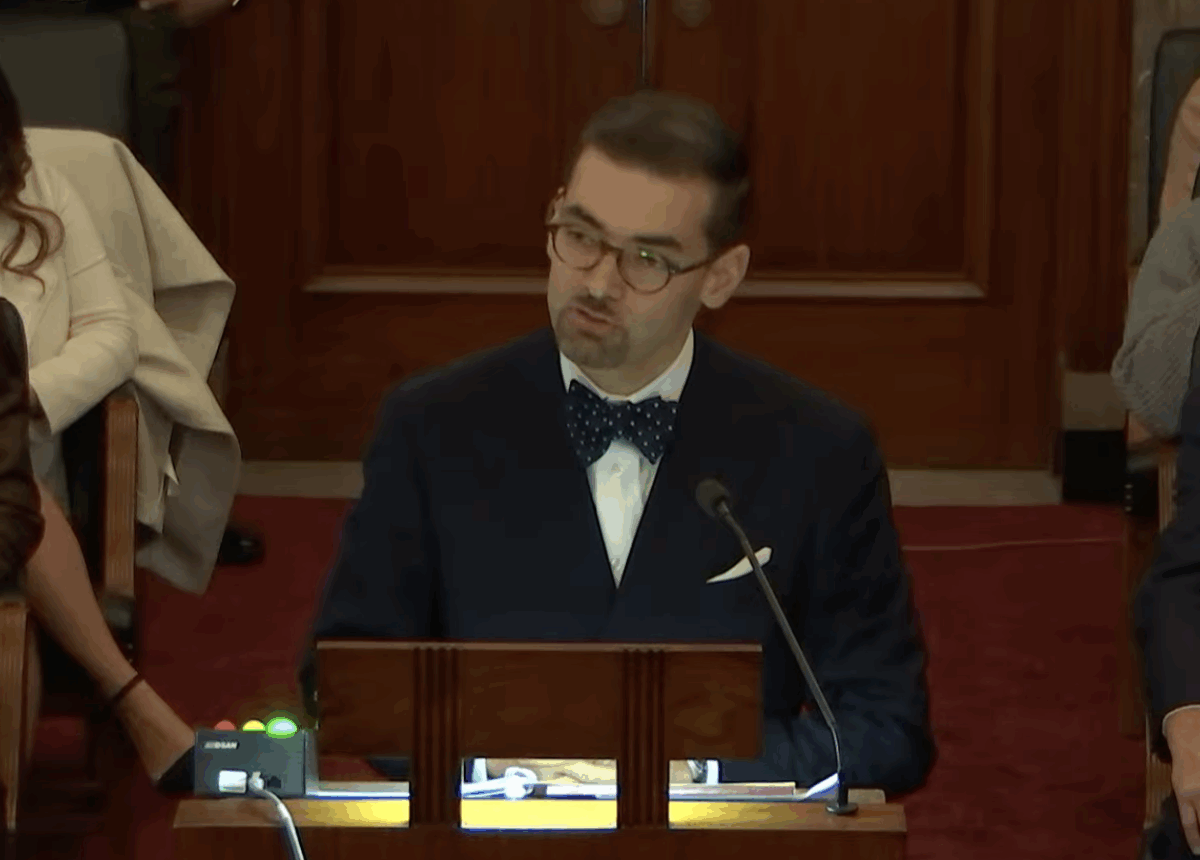
Paul Krog with Bulso PLC representing Michael Patrick Leahy and Star News Digital Media, which are seeking materials police collected in their investigation, including Hale’s writings and other material.
Paul Krog, the attorney representing those seeking the records, argued that the trial court’s order wrongly allows public records custodians “to be the arbiter of copyrights, to withhold documents by asserting some third party’s copyright claim. It allows for no fair use inquiry and it doesn’t allow for any document specific analysis of copyrightability, even though that’s required under the Copyright Act.”
“…Consider the ramifications of the trial court’s order in this case applied in other cases,” Krog said. “Almost every document that is created in a public office, whether it comes into that office from the outside or is generated in that office, meets the standards that the trial court applied here of being minimally creative and fixed in a tangible medium. That means that this entire body of the workaday, sausage-making documentation of state and local governments is going to disappear into this black hole of quasi-copyright protection.
“If we endorse the trial court’s approach here, simply saying, if you meet sort of these basic threshold requirements of tangible medium and minimal creativity, then that’s basically where the analysis ends and those documents can’t be disclosed. And those are what people care about — the emails, the permit applications, the internal memoranda, all of these things that are going to show waste, corruption, favoritism, prejudice in state and local government. Those are the things no one’s going to be able to get,” Krog said.
‘They simply go into a black box’
Later, Krog explained that someone who challenges the denial of such a record has no recourse, saying the trial court’s order creates a “justiciability black hole” because there is no way to test the copyright claims under fair use concepts or the other exceptions in the Copyright Act.
“You can’t test them in state court because the state court won’t entertain them (under) the trial court’s approach. And you can’t go file a federal declaratory judgment action because without a registration (of the copyright) on the part of the claimant, that action is non-justiciable. … So there’s no way in this model ever to get these questions answered. They simply go into a black box and no one ever hears from them again.”
The plaintiffs seeking the records who appealed the case include Michael Patrick Leahy and Star News Digital Media Inc., which owns the online news outlet Tennessee star, state Sen. Todd Gardenhire and The Tennessee Firearms Association.
School security exemption – can it cover all records in a school shooting?
Davis, who was the only one of three judges to ask questions of the lawyers, also questioned the trial court’s ruling that a school security exemption in state law could cover all the records withheld by Metro Nashville.
Davis said it was obvious to her our schematics and specific information that could put a school at risk in the future could be considered related to school security. “I have a hard time grasping all of this, lots of material was recovered, that every single bit of it relates in that way to school security.”
“…So then I wonder if the result that we have, then, if that’s they way we apply it, is that any time we have a school shooting, pretty much anything that’s going to be collected by the police is going to relate to school security because of the nature of it being in the setting of a school,” Davis said.
Rockland “Rocky” King, the attorney representing the the Covenant Presbyterian Church that operates the school, said that may well be the case. But, he said, the judge still has to review the documents. “So I don’t believe we have necessarily a blanket exception that anything related to school security will be implicated anytime there is a school shooting.”
FBI already has released more than 100 pages of shooter’s writings
Meanwhile, even as attorneys have been filing briefs in the appeal, the FBI, which also participated in investigating the case, in May released more than 100 pages of Hale’s handwritten notes, diaries, and other materials, posting them on its records page online. Several news organizations have reported on the contents of the files. So far, it appears that no copyright enforcement actions have been filed against the FBI or the news organizations that have reported on Hale’s writings.
Also, in April 2025, Nashville police announced that its investigation was finally over with a determination that Hale acted alone. Nashville Police released a case summary, some of which quoted from Hale’s writings and other material.
Note: Tennessee Coalition for Open Government is among entities who filed an amici curiae in the appeals case along with intellectual property and First Amendment scholars with an interest in ensuring sound development of copyright and public records law. The brief urges reversal of the trial courts ruling, arguing that the chancery court erred in ruling the the Copyright Act preempts the Tennessee Public Records Act and raises numerous legal issues concerning copyright, government transparency and access to records.
About the Author: Deborah Fisher