
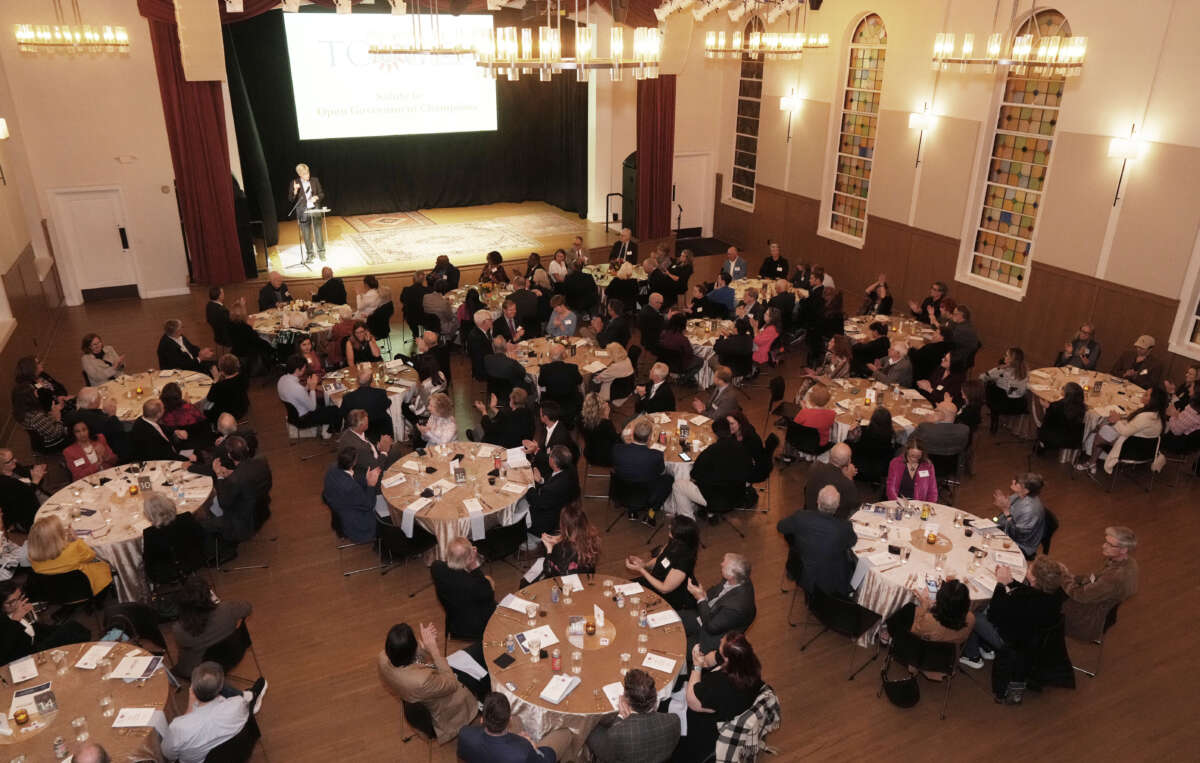
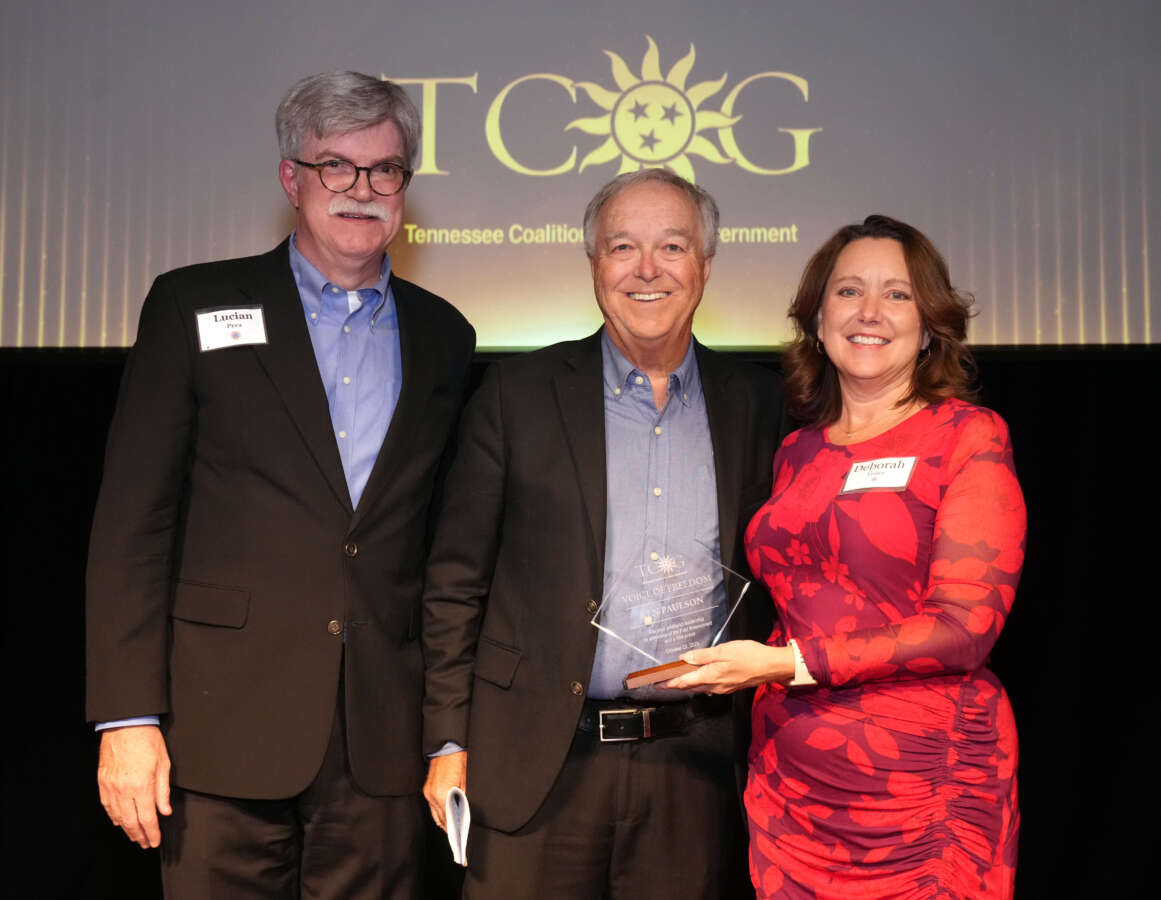
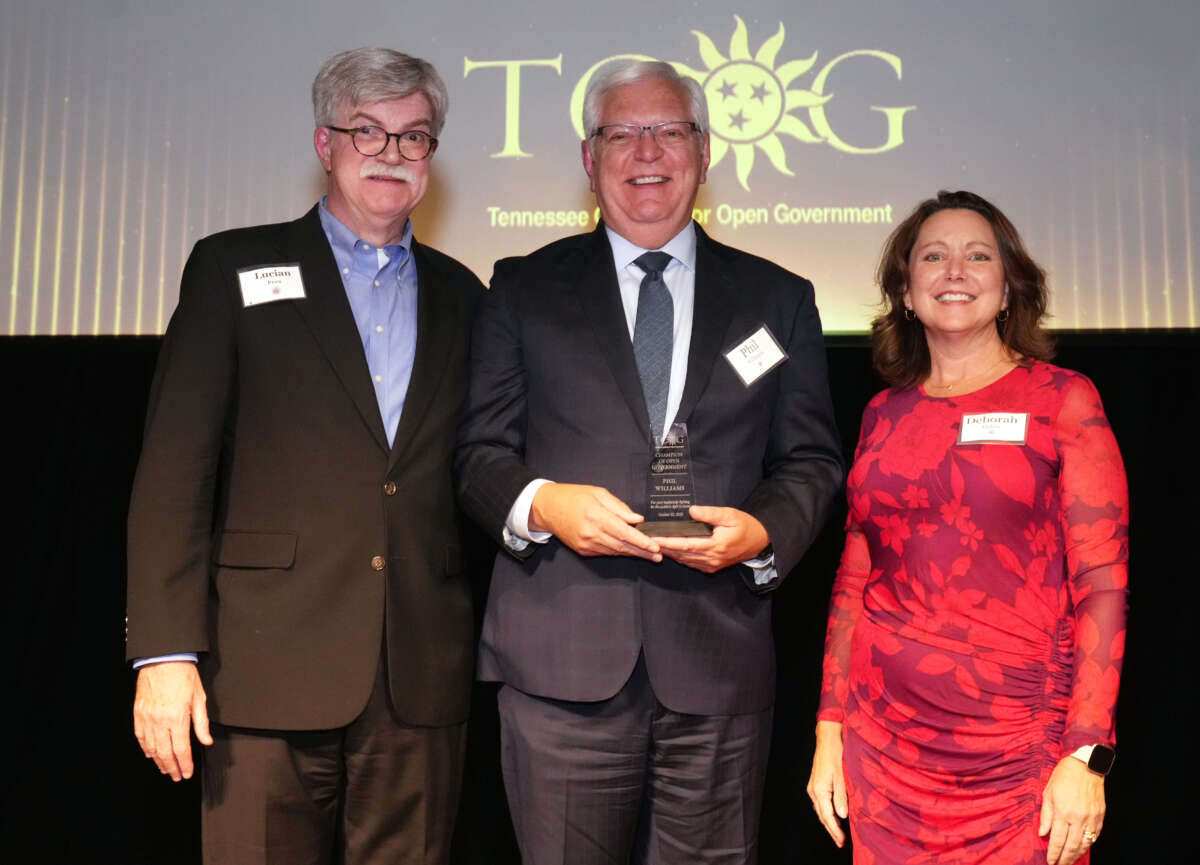
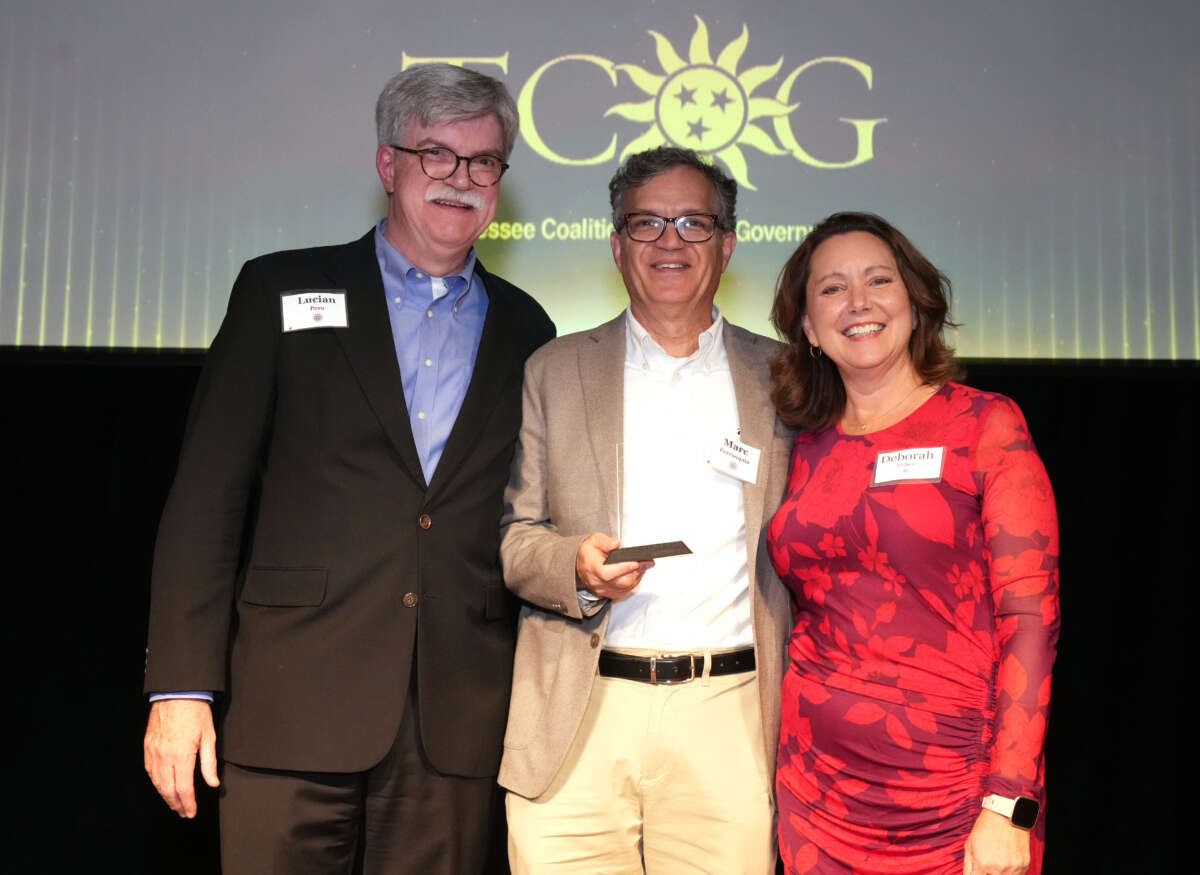
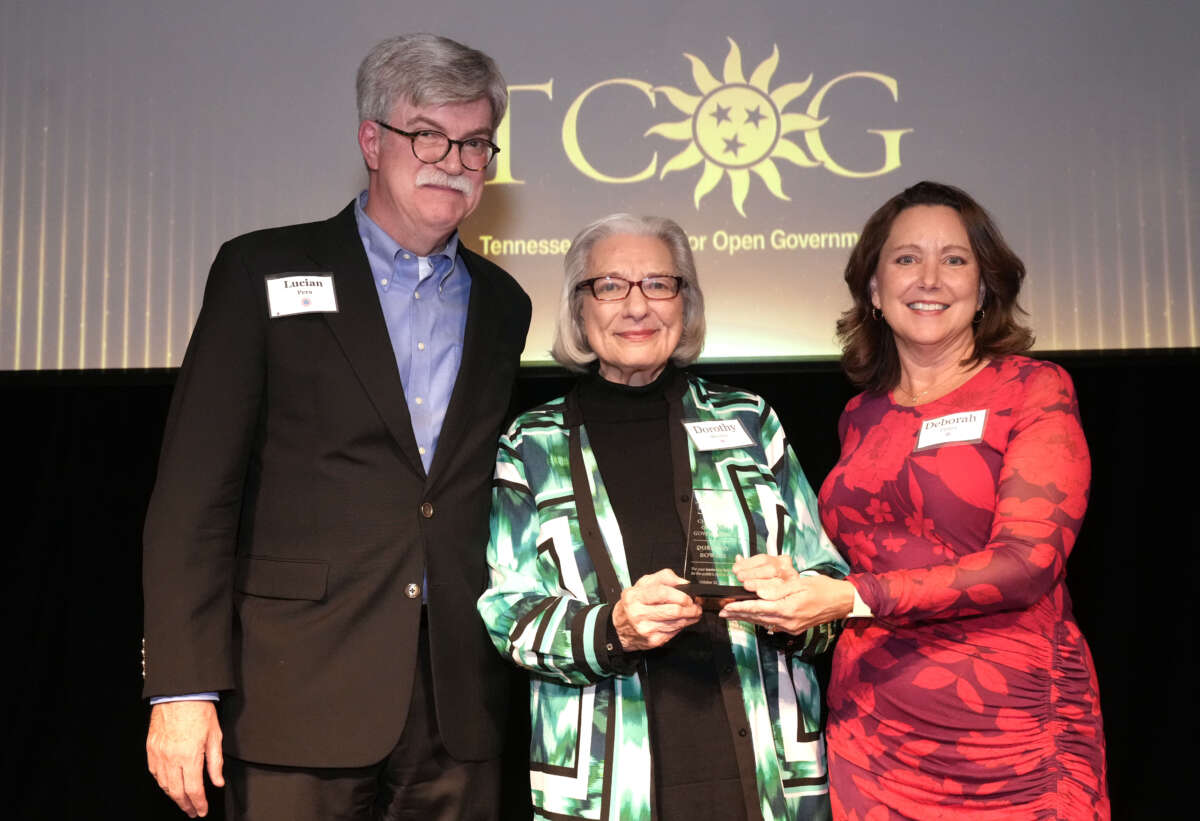
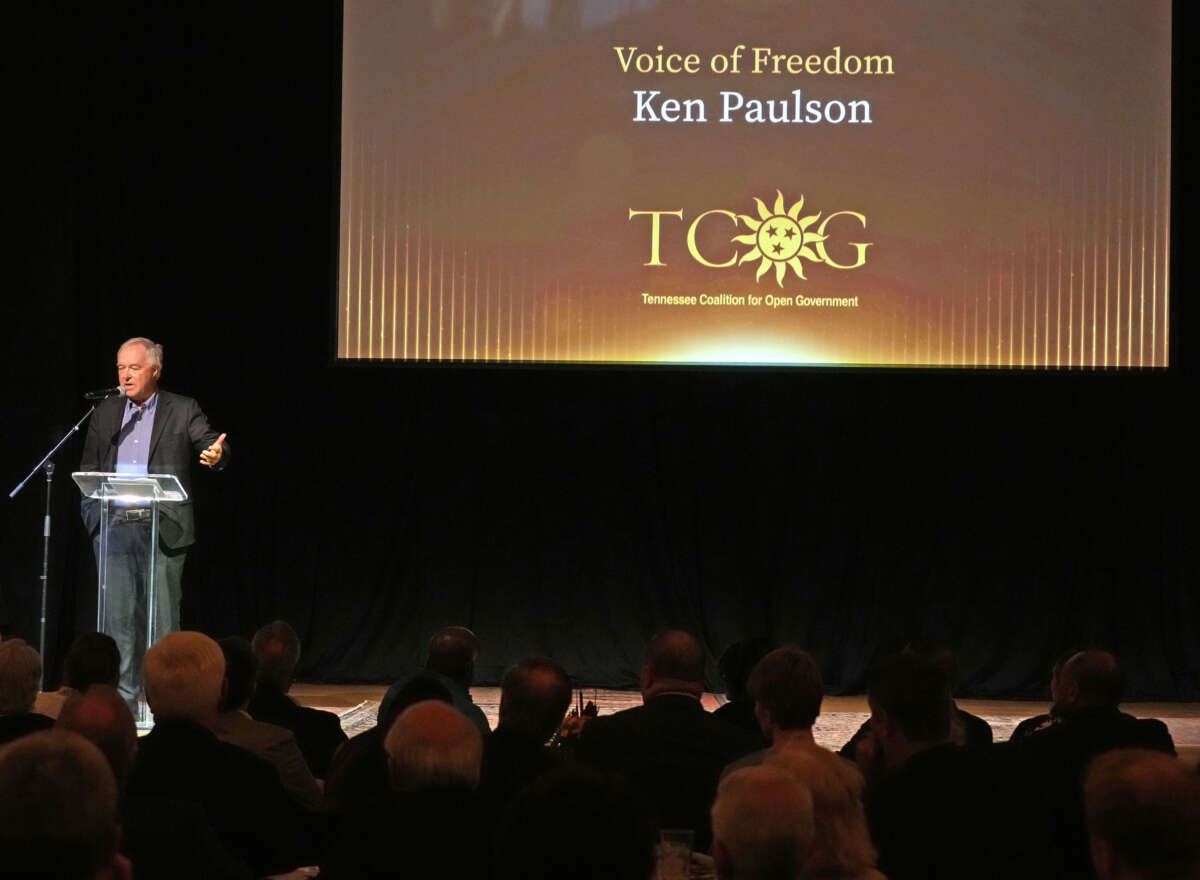
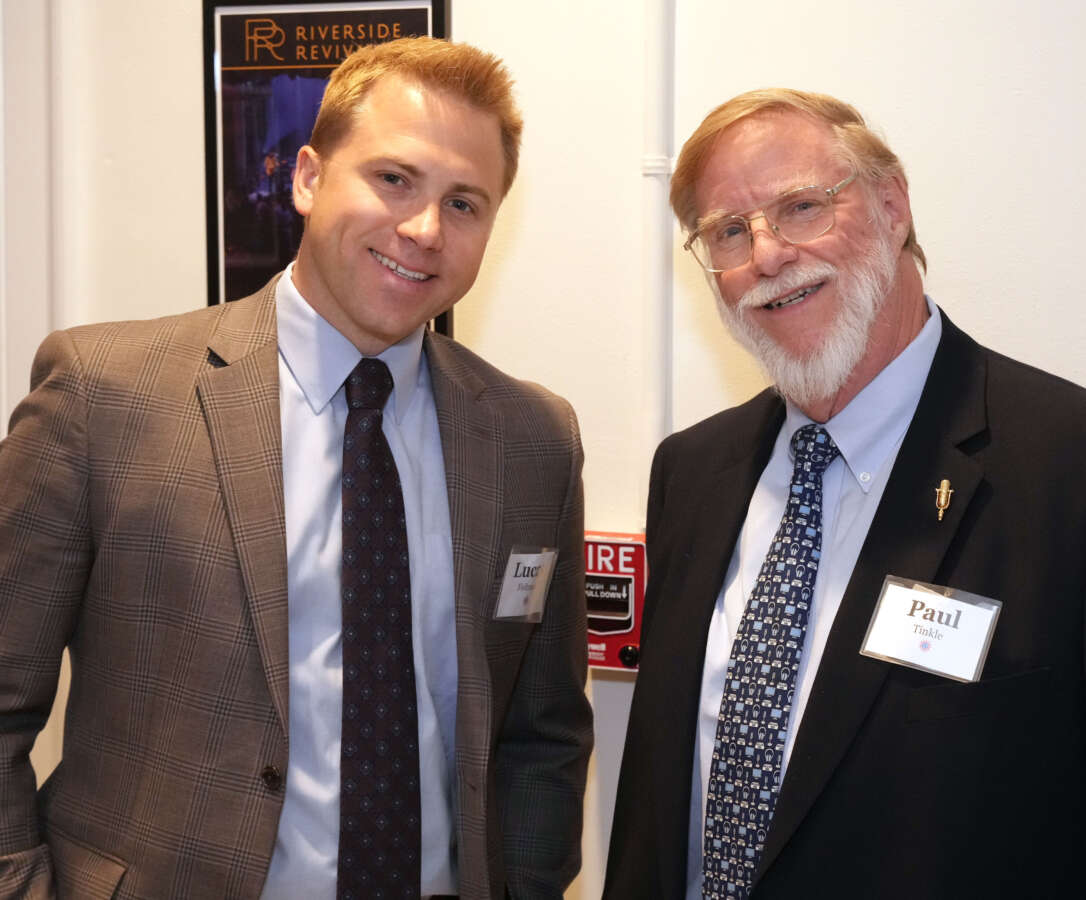
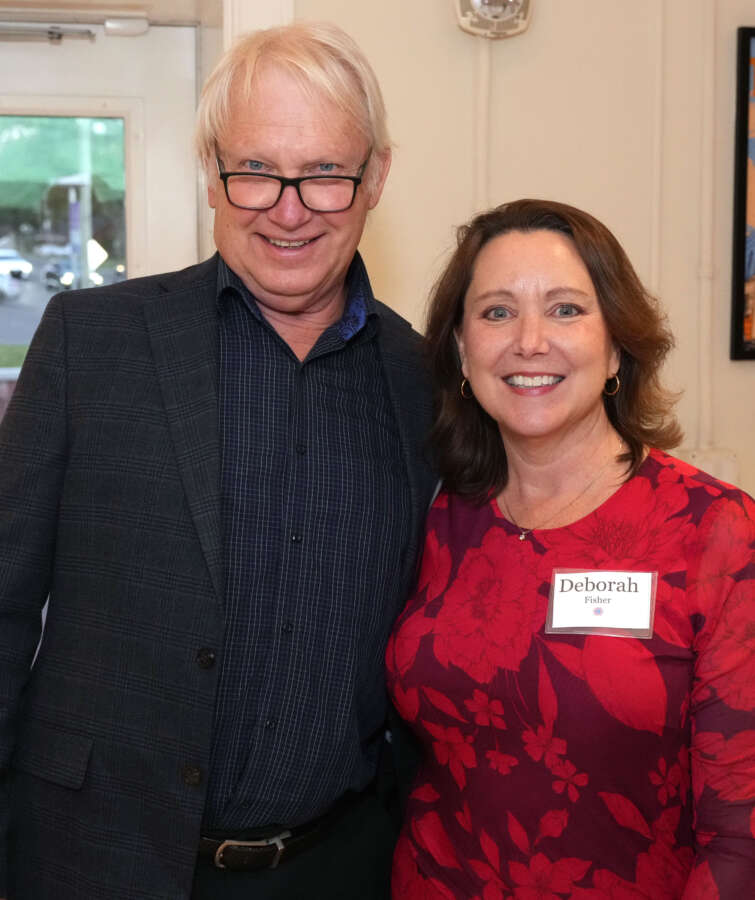
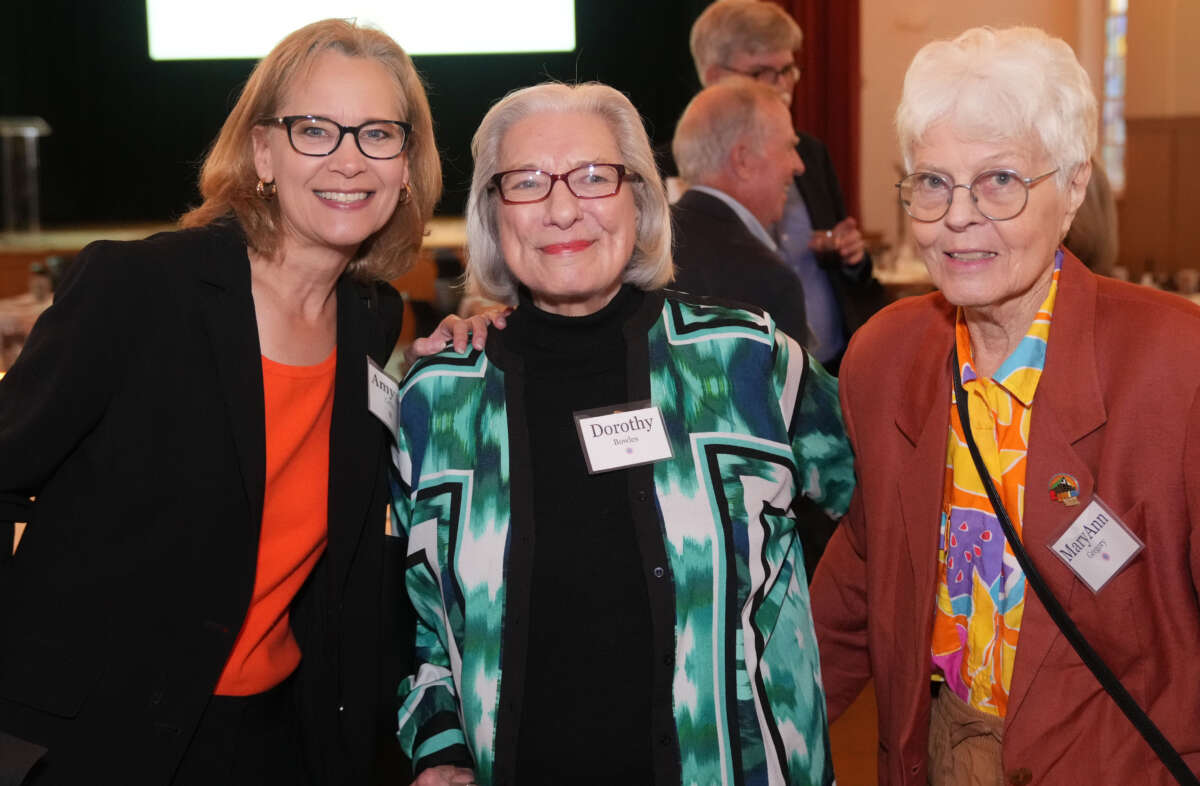
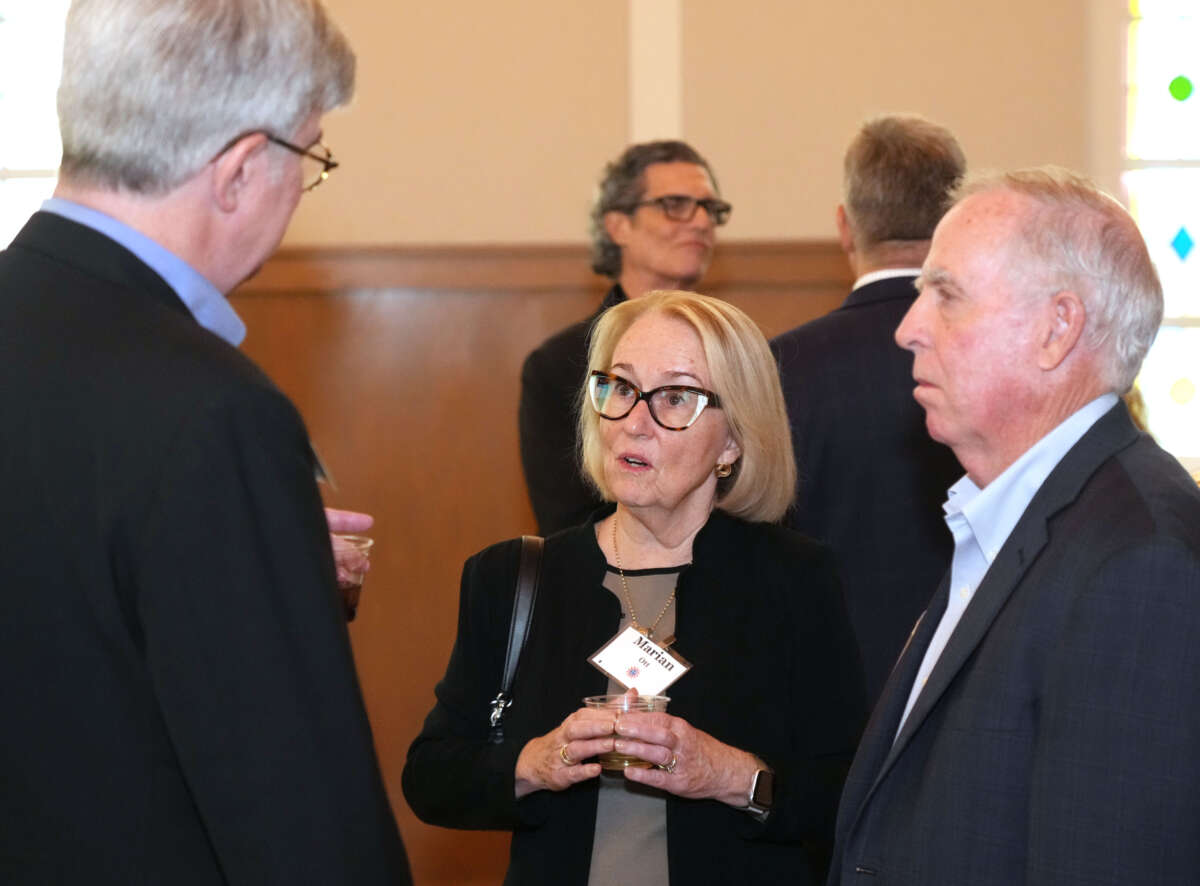
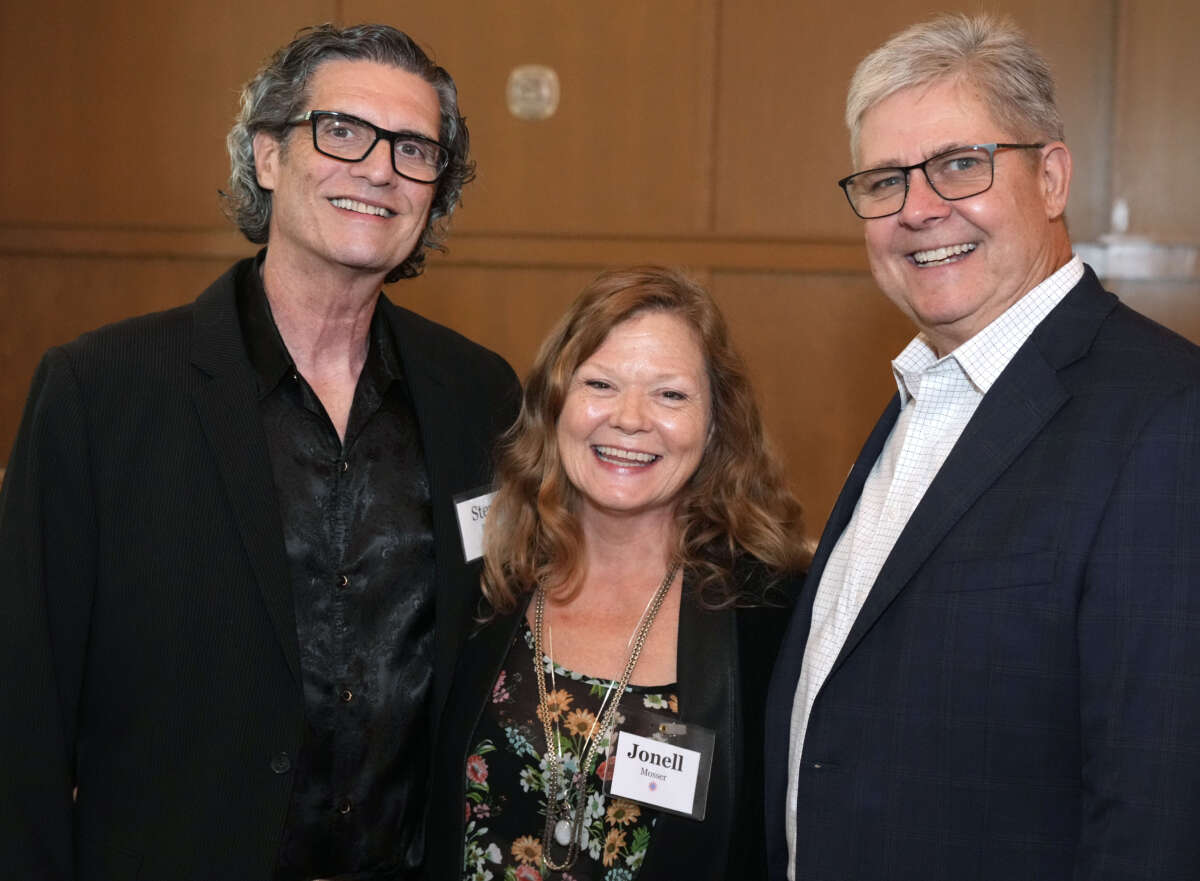
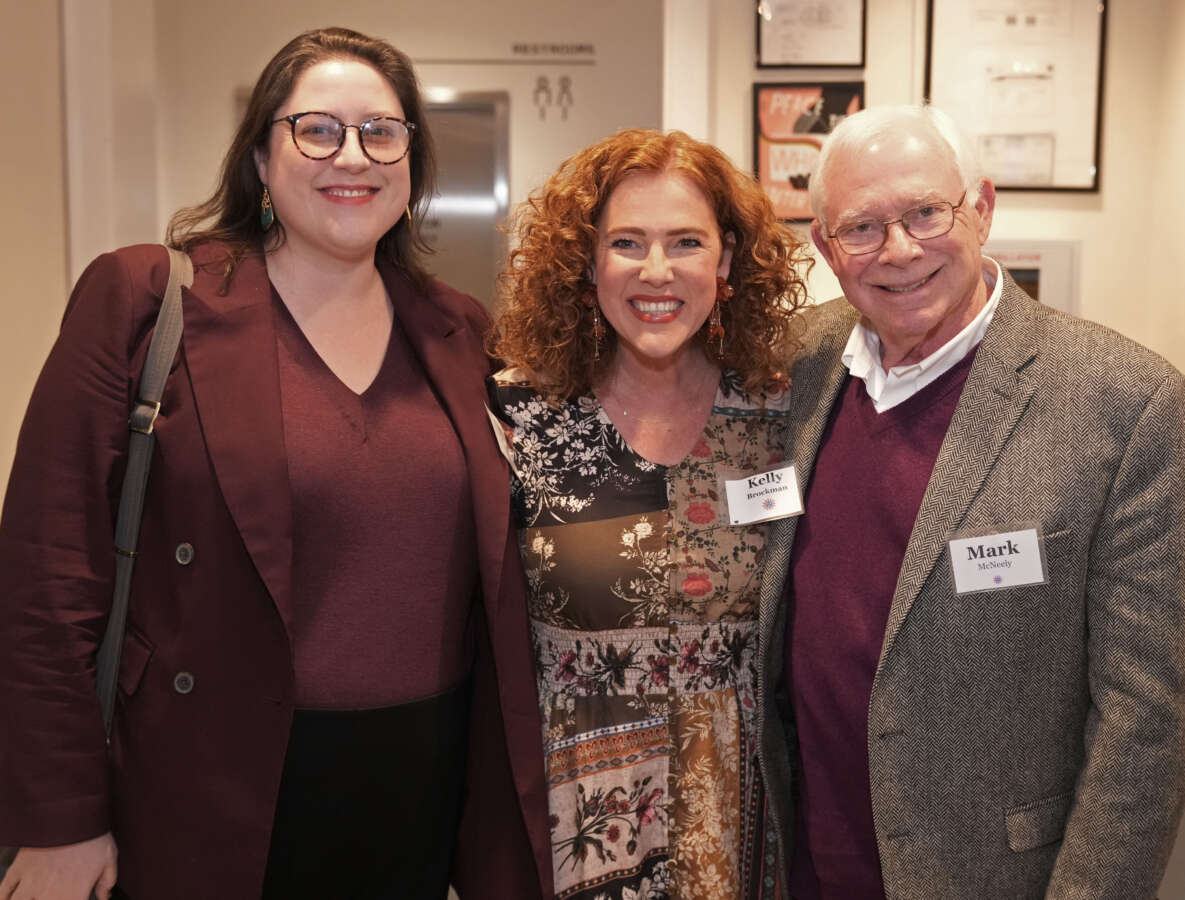
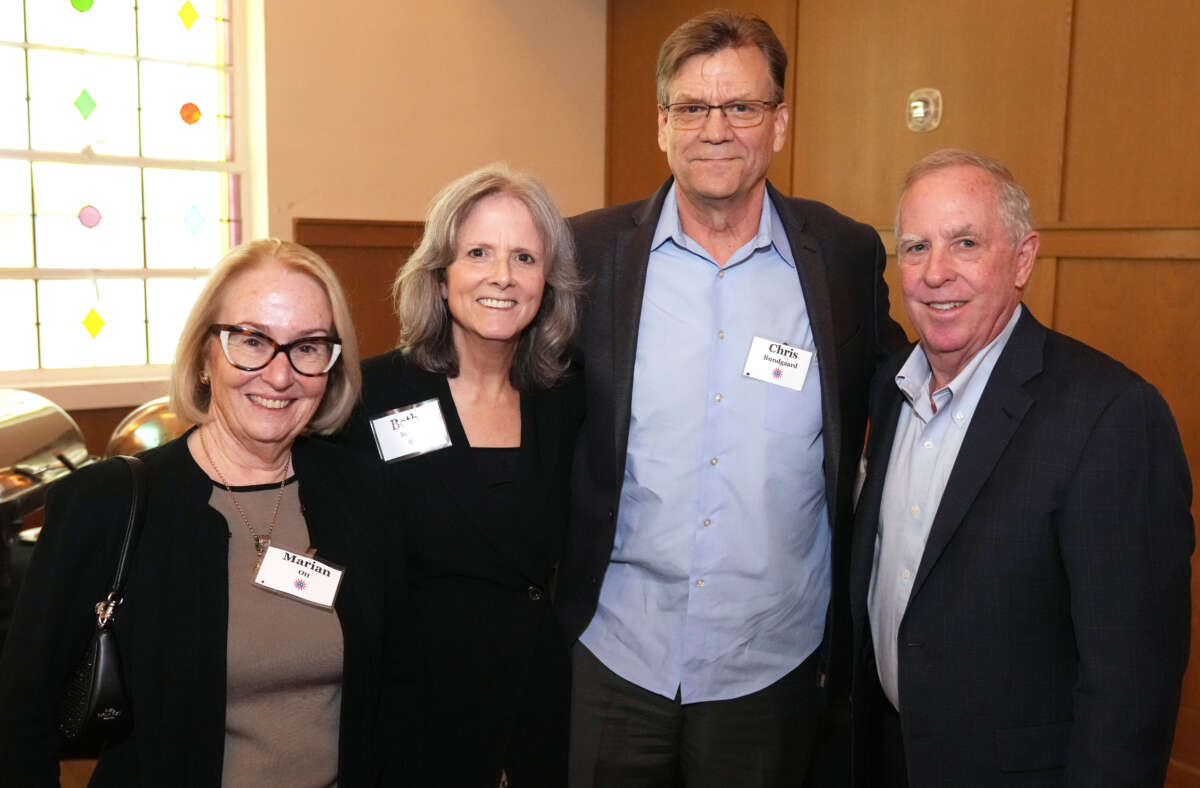
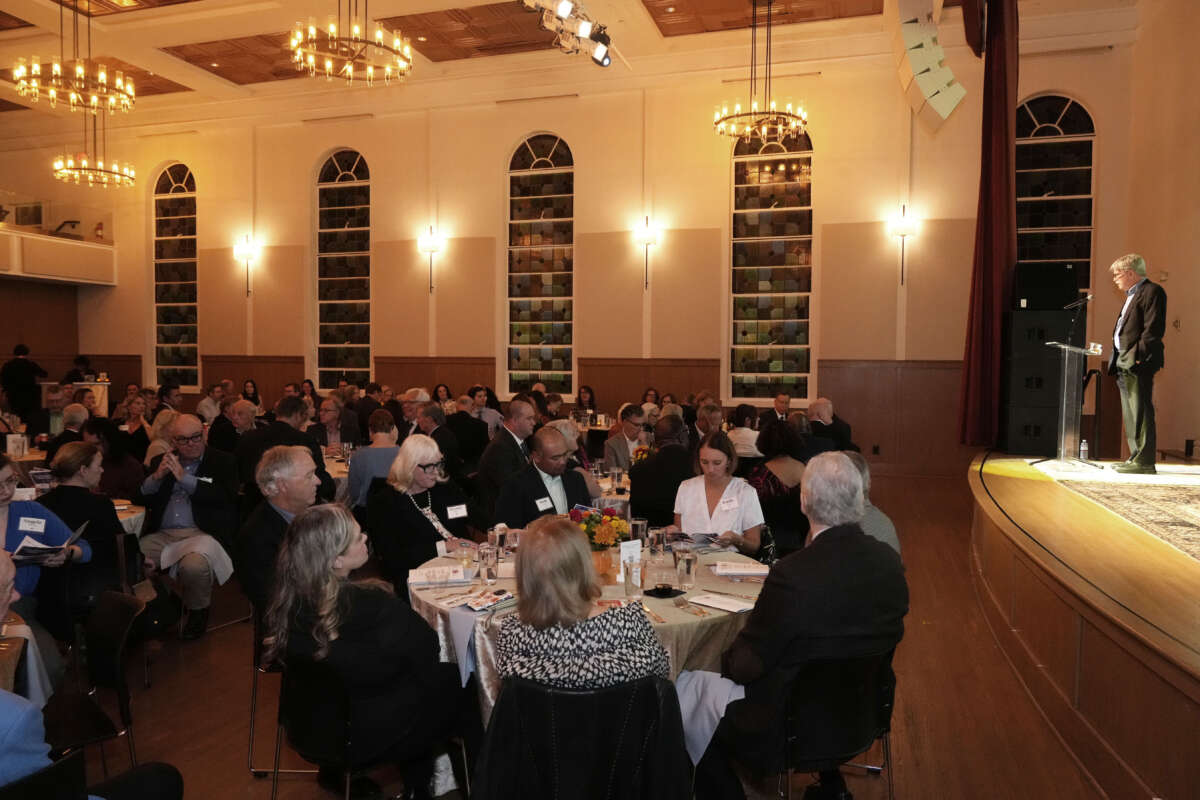
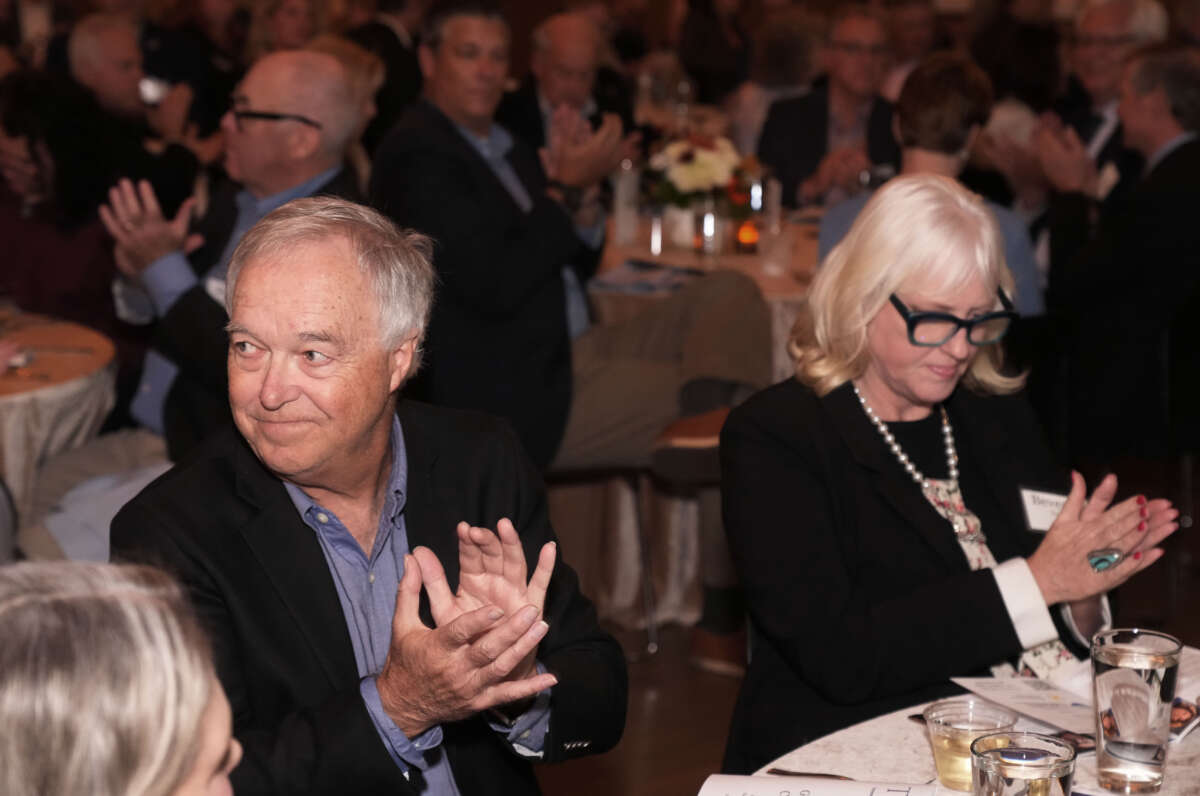
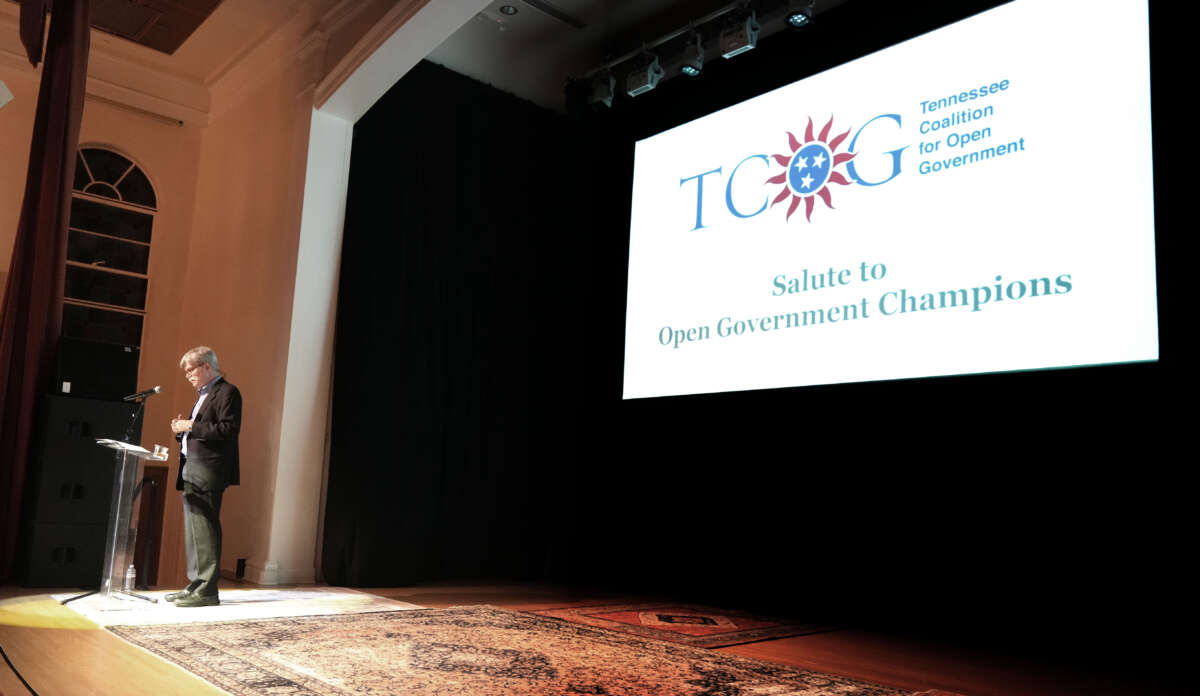
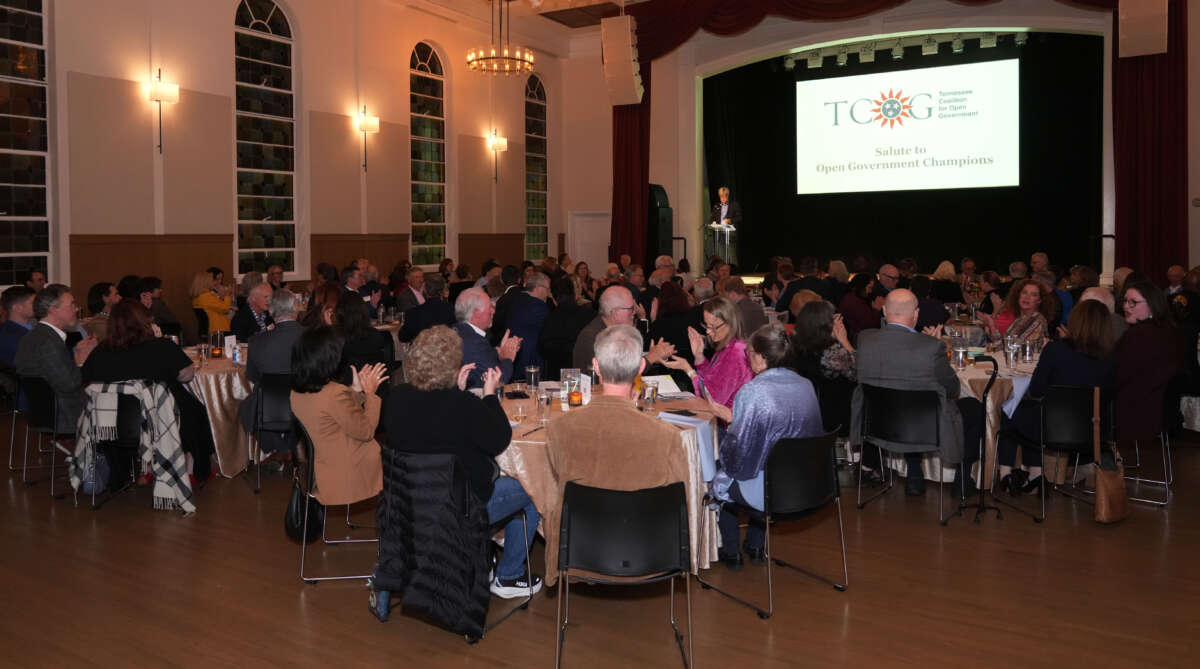
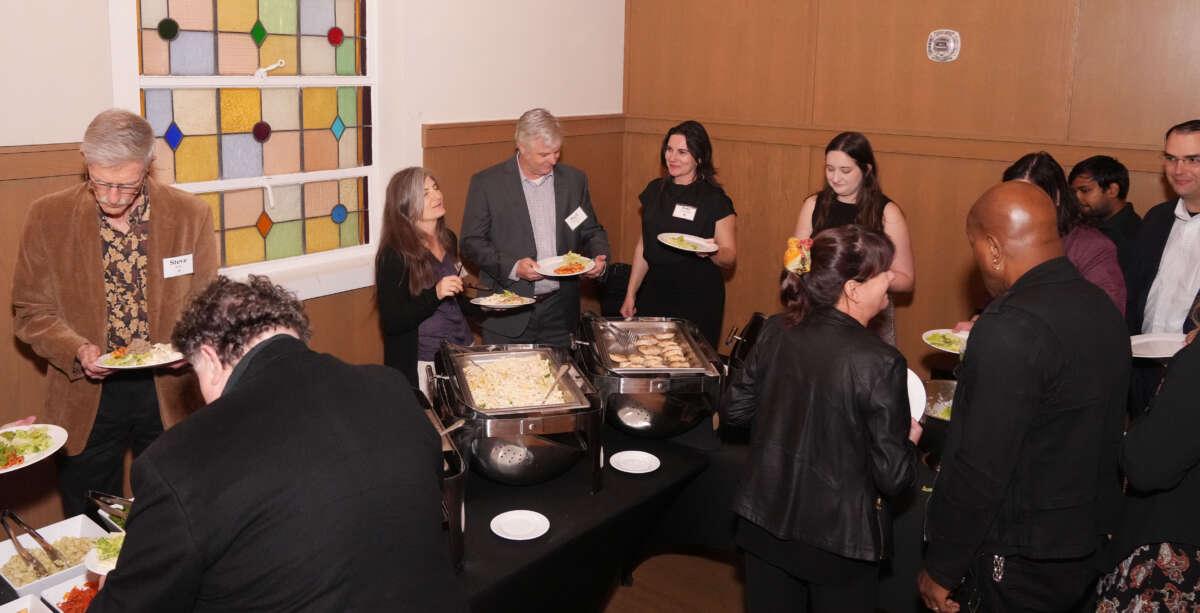
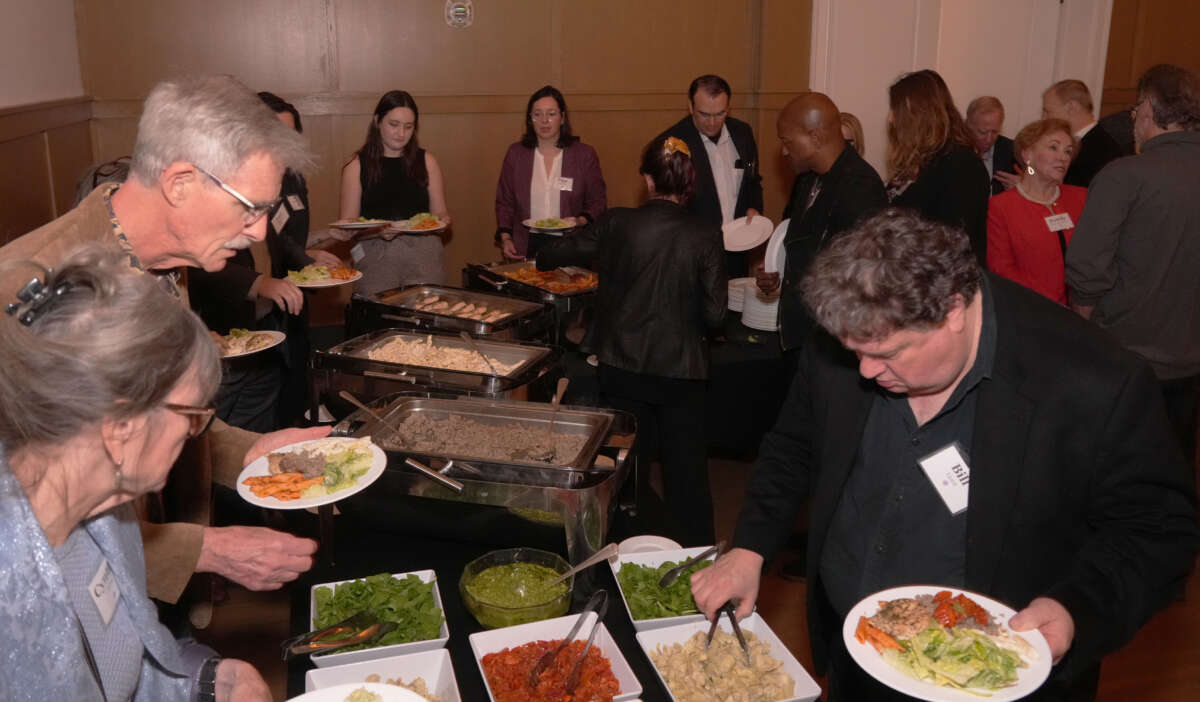
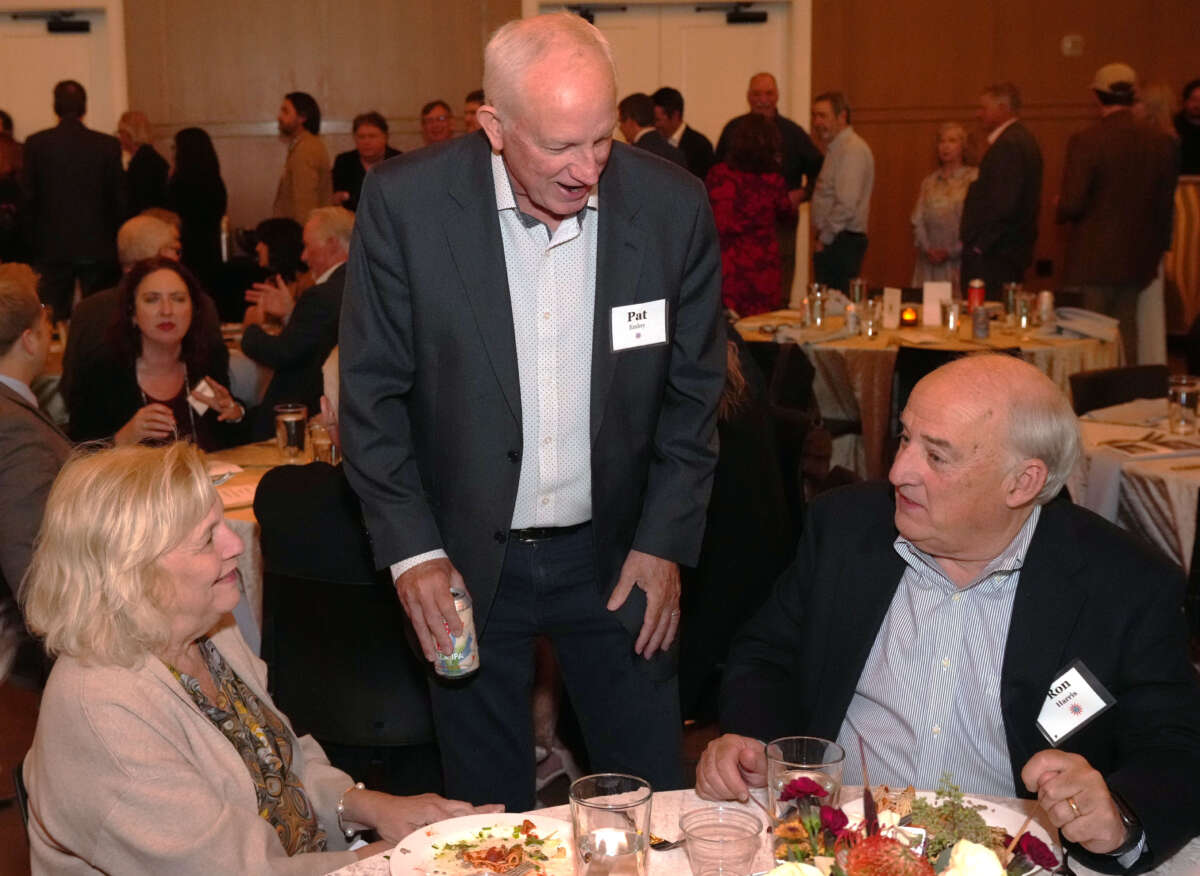
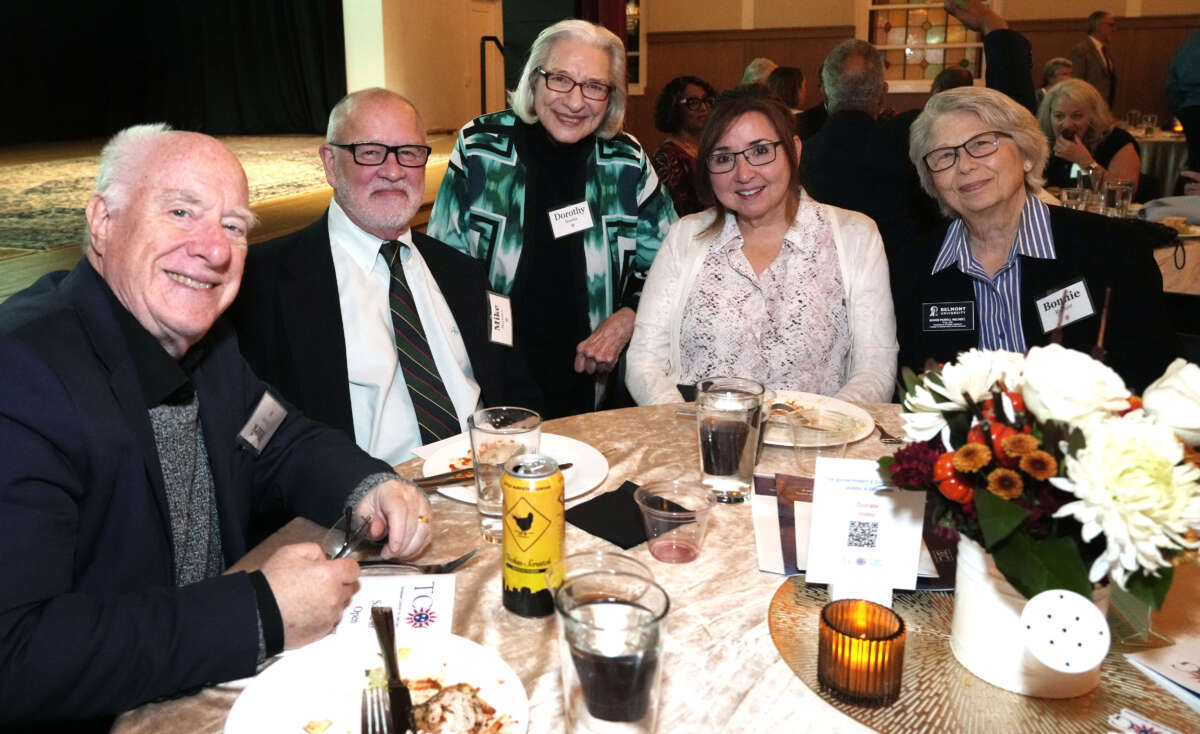
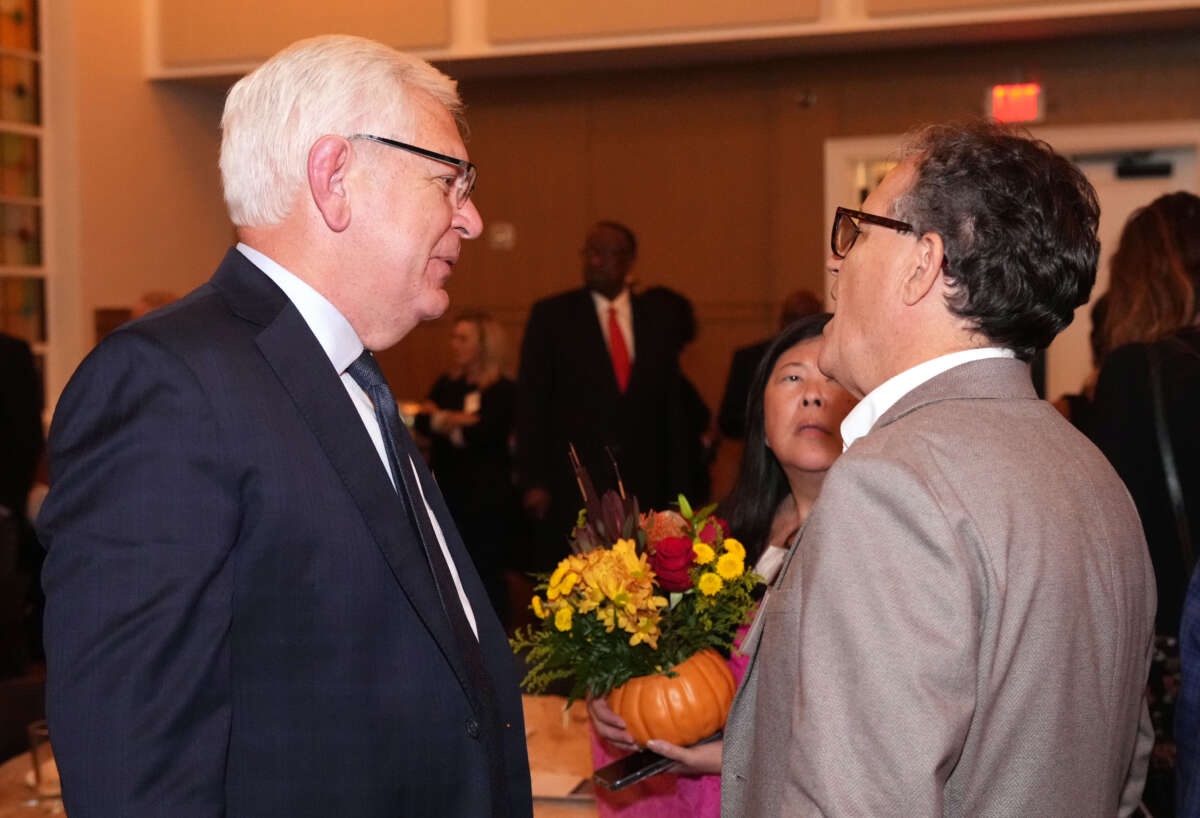
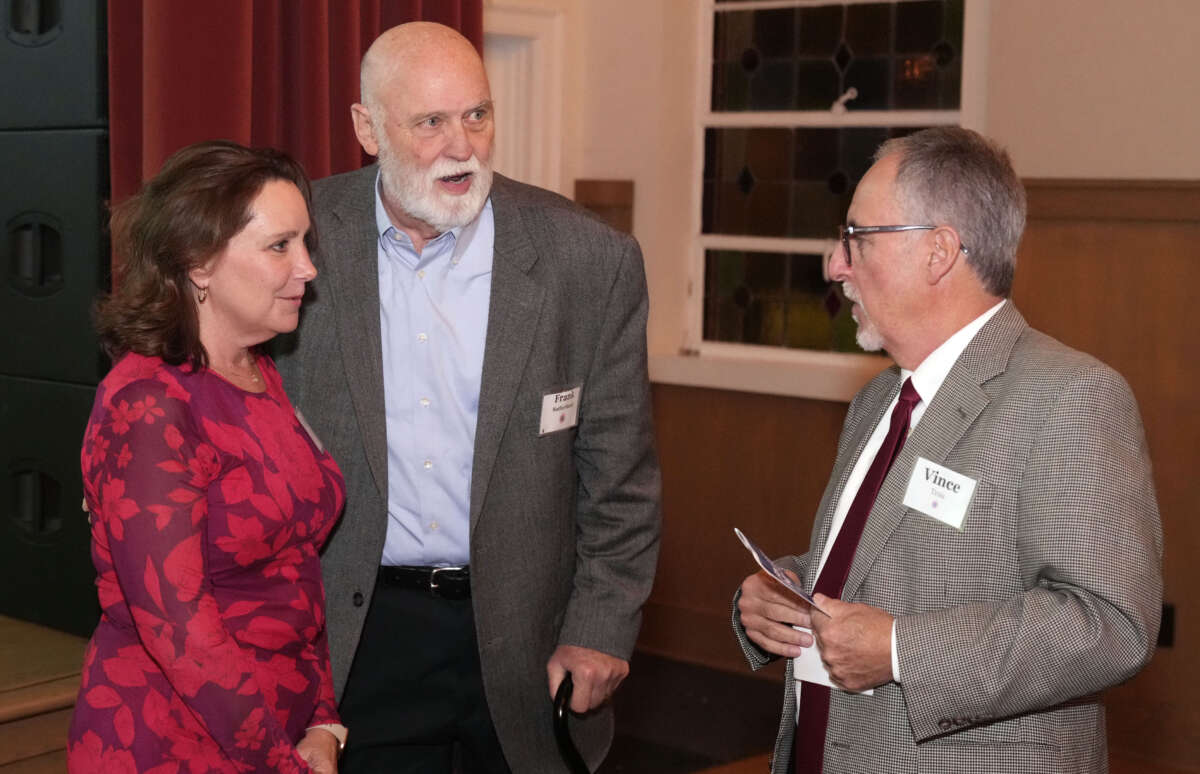
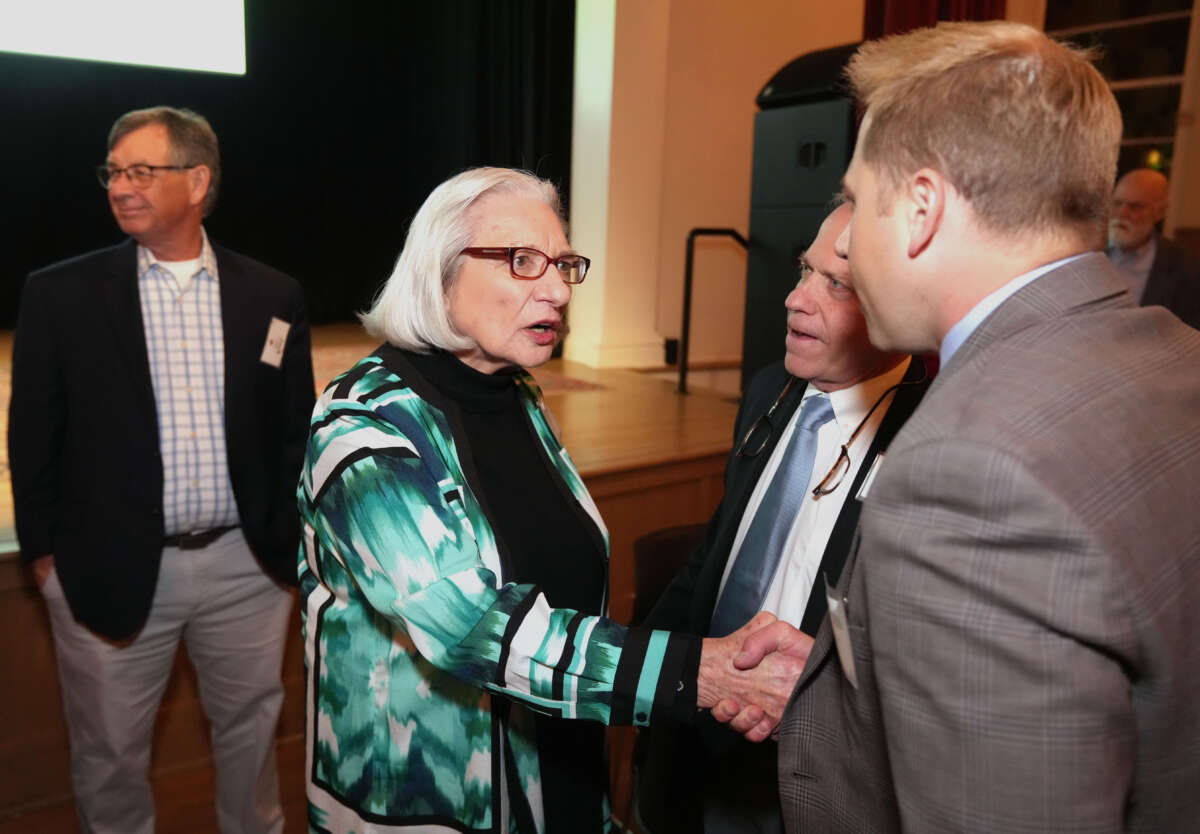
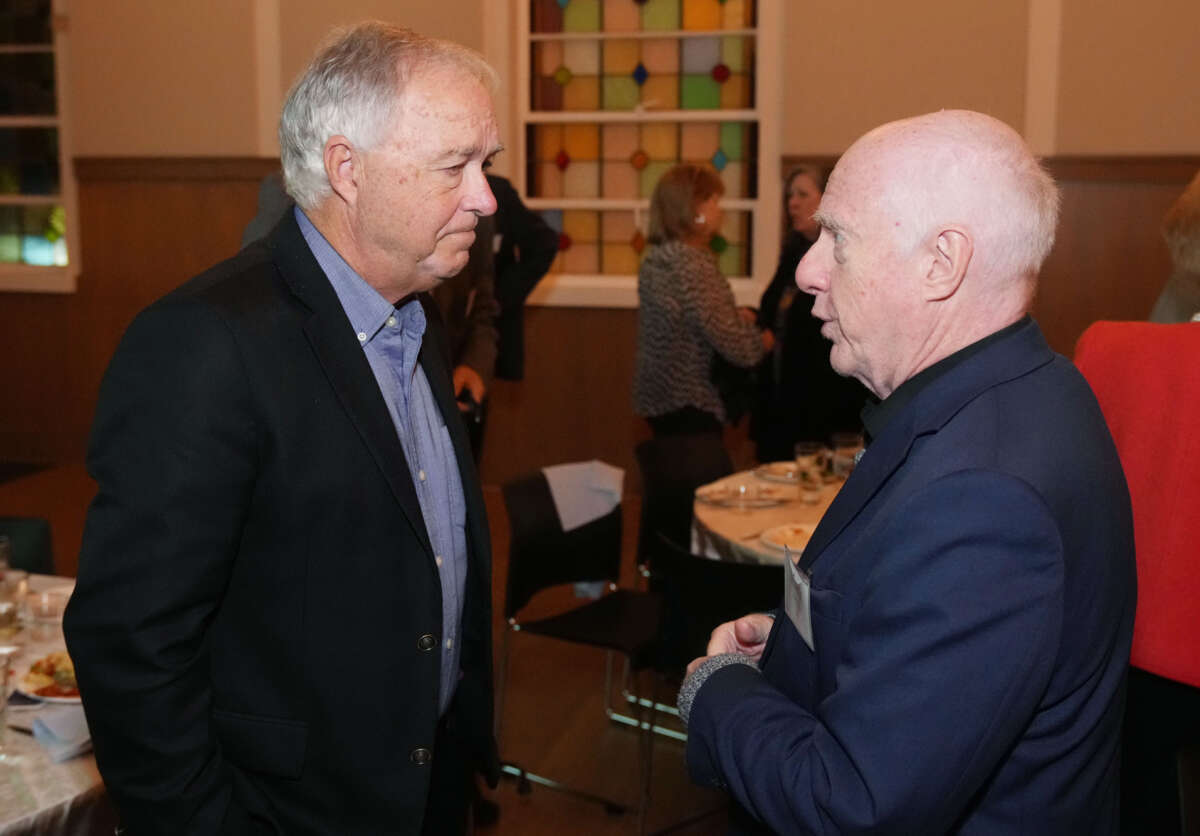
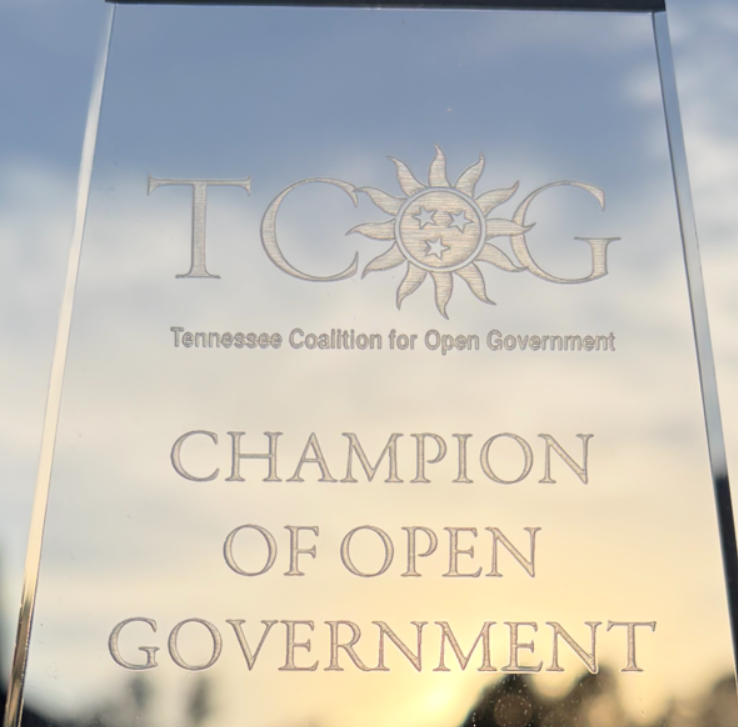
Tennessee Coalition for Open Government honored four individuals at its Oct. 22, 2025, dinner event at Riverside Revival in Nashville. First Amendment advocate Ken Paulson was honored with a Voice of Freedom Award. Dorothy Bowles, Marc Perrusquia and Phil Williams were honored as Champions of Open Government.
Slideshow from “Salute to Open Government Champions”

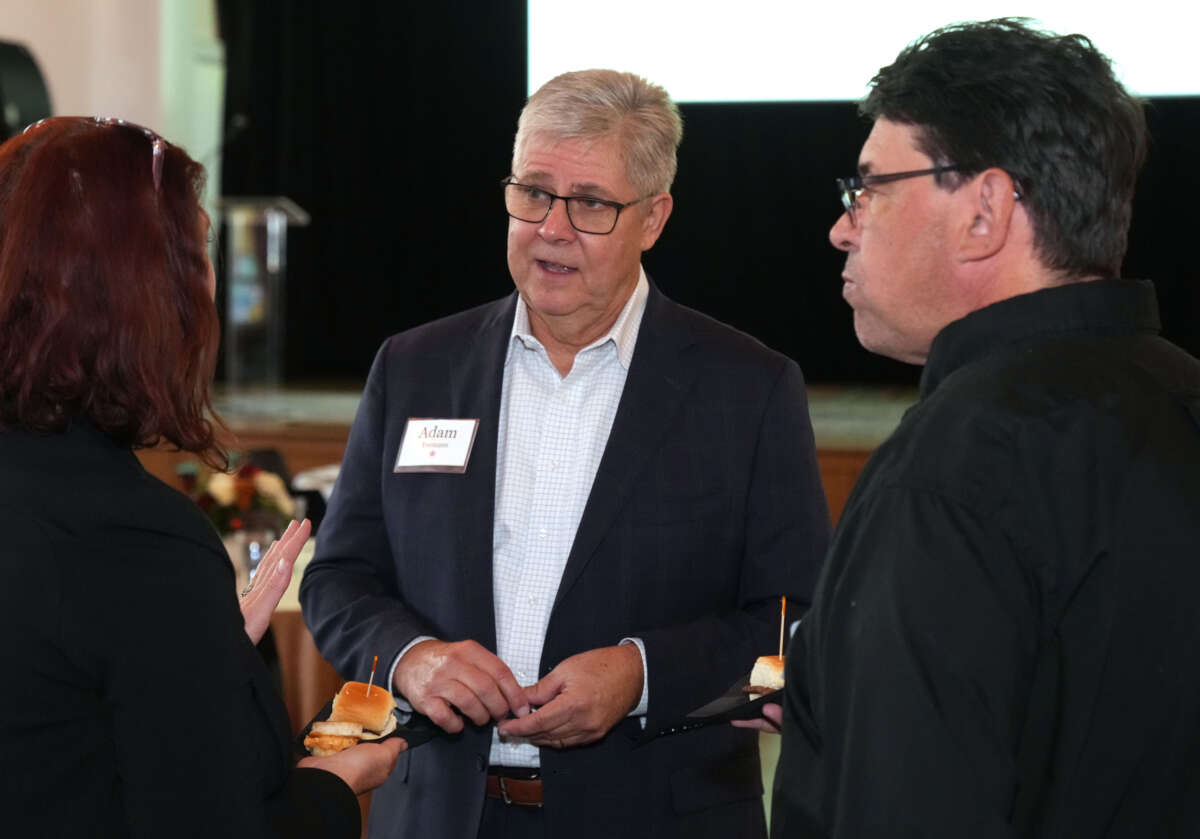
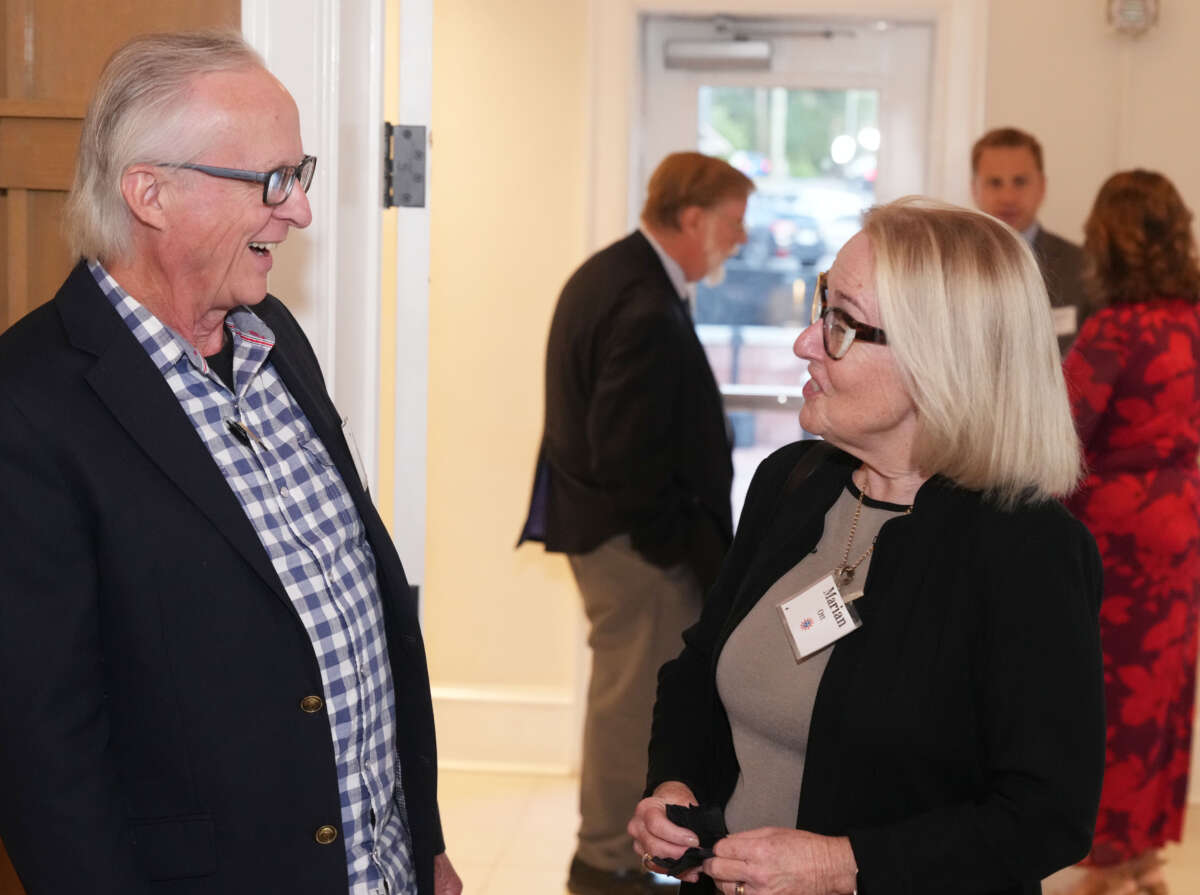
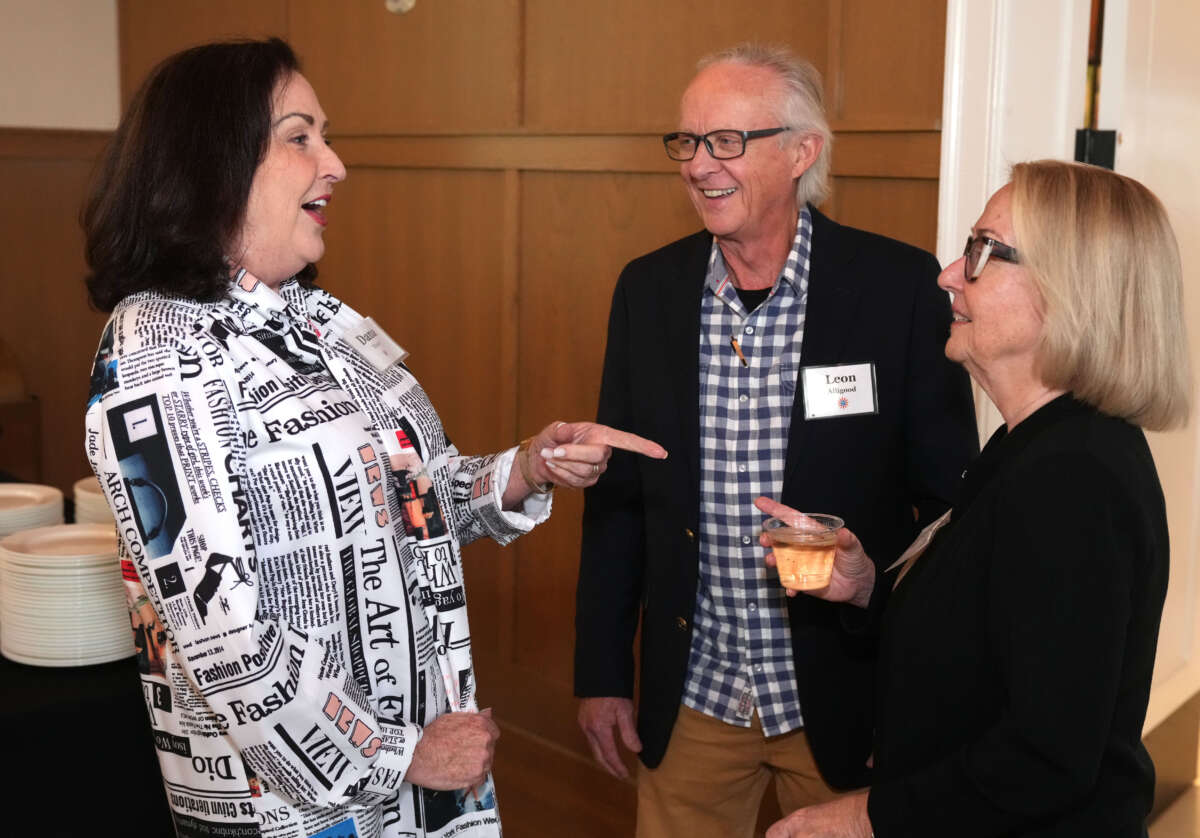
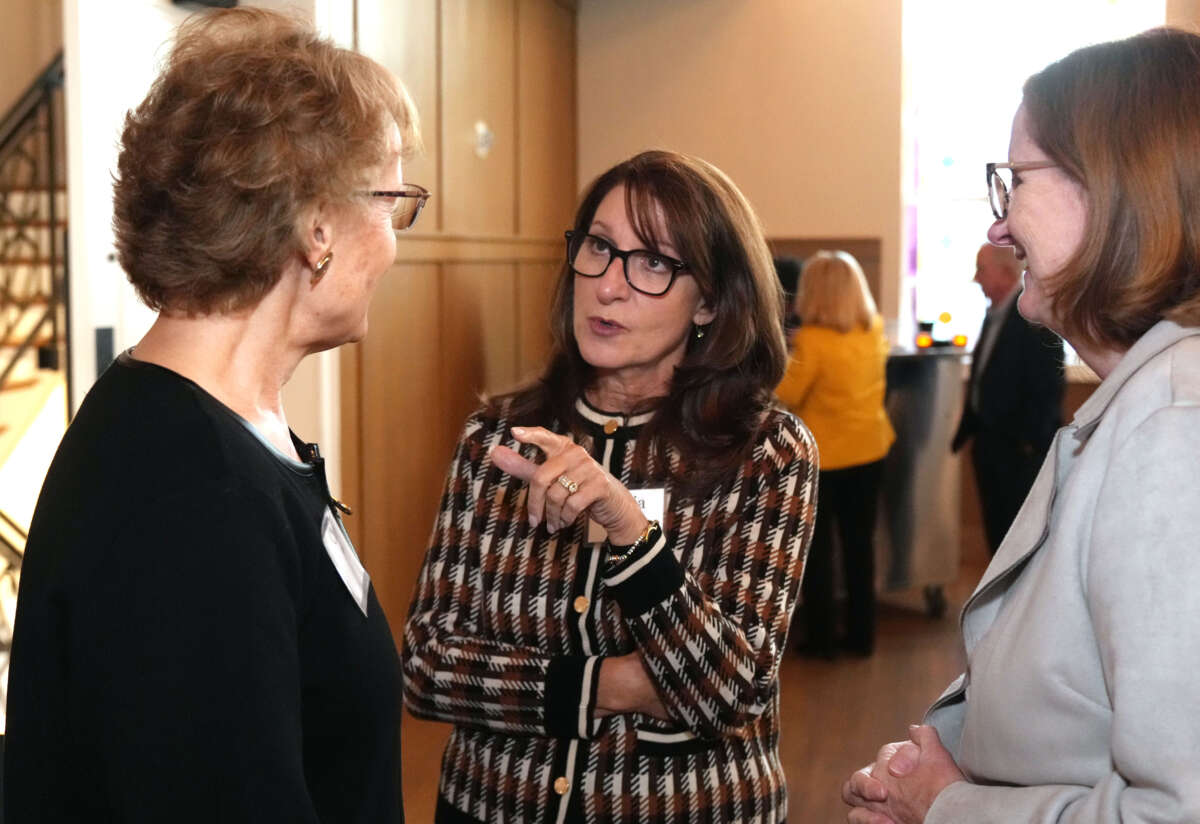
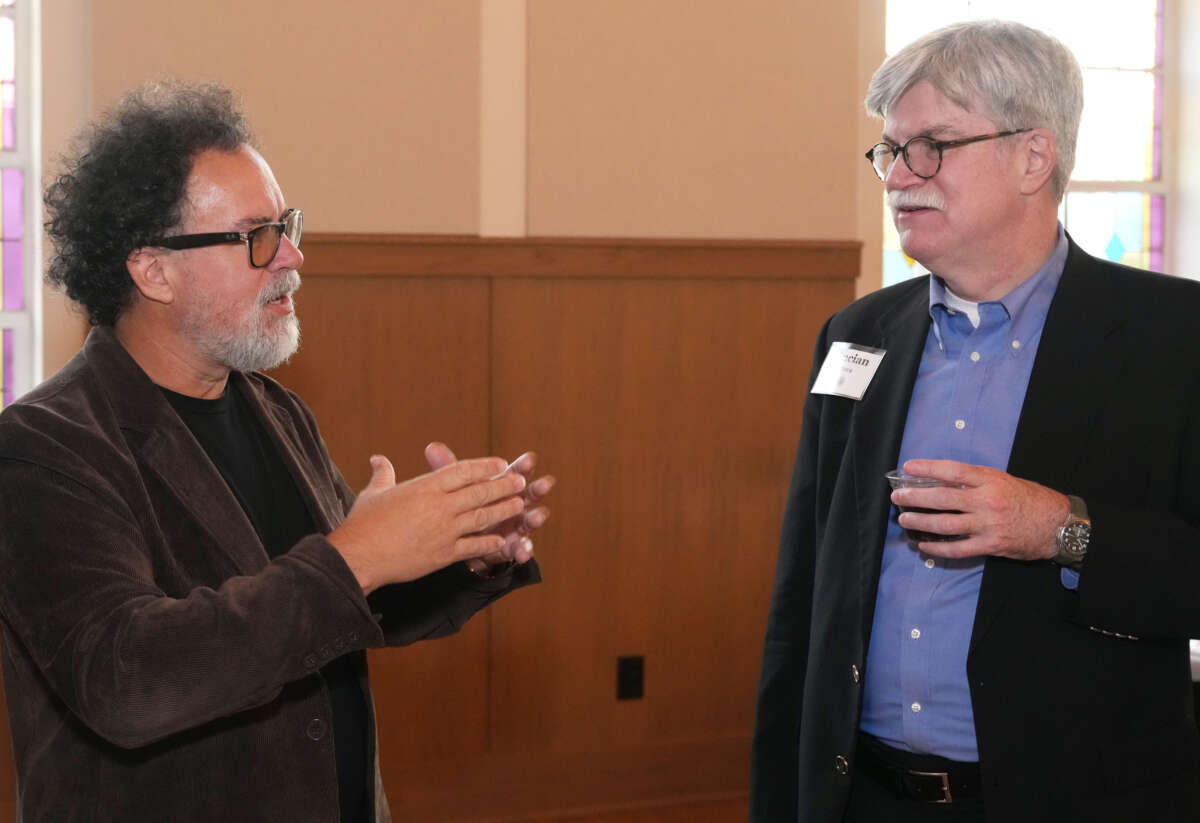
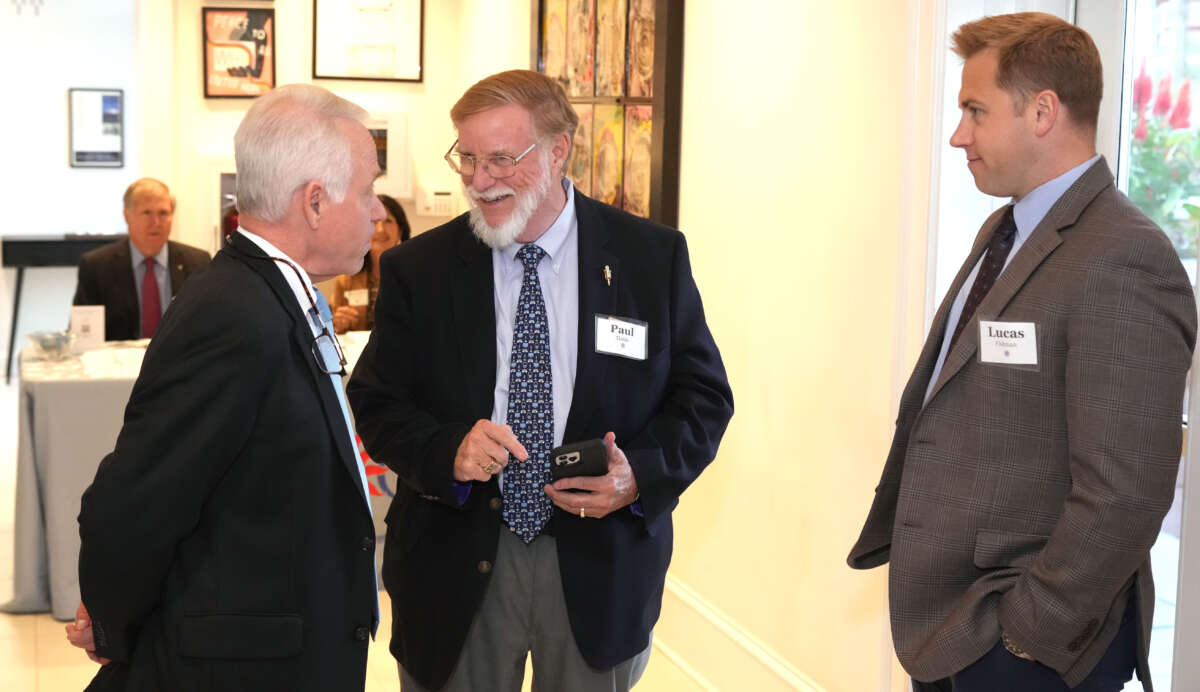
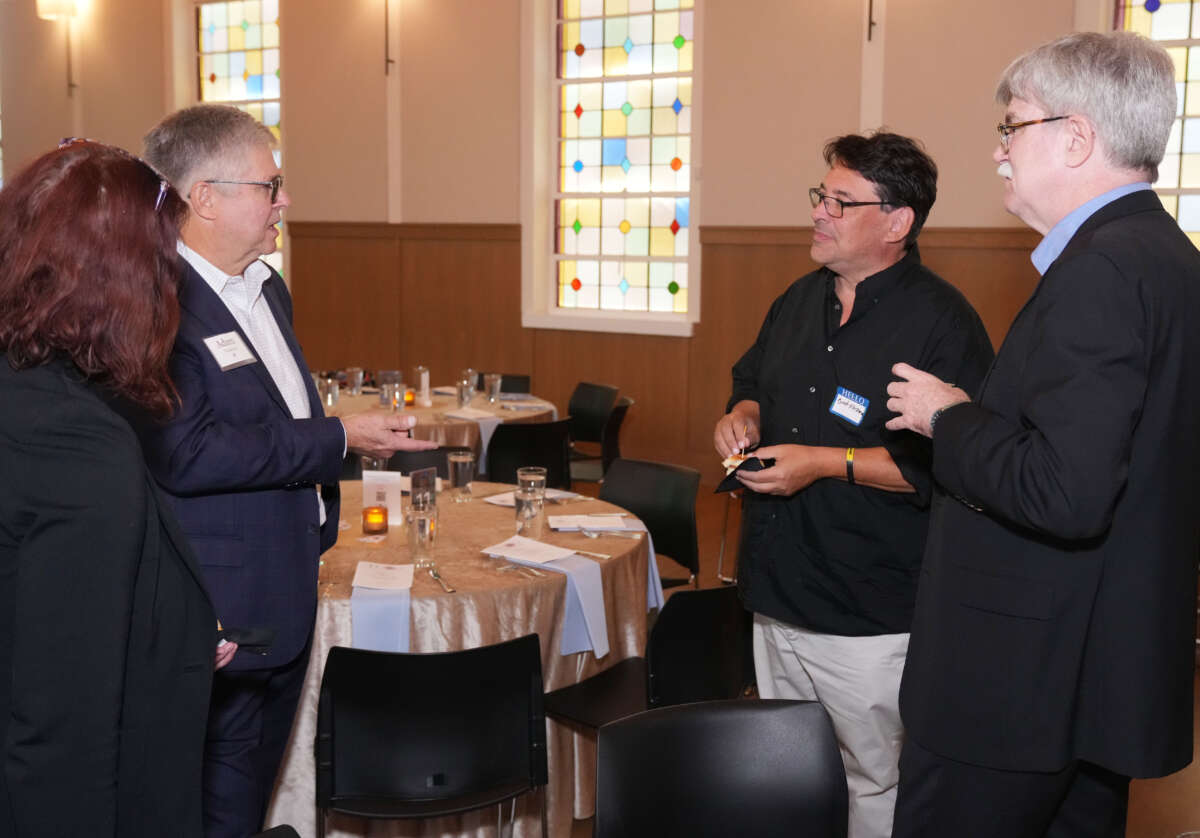
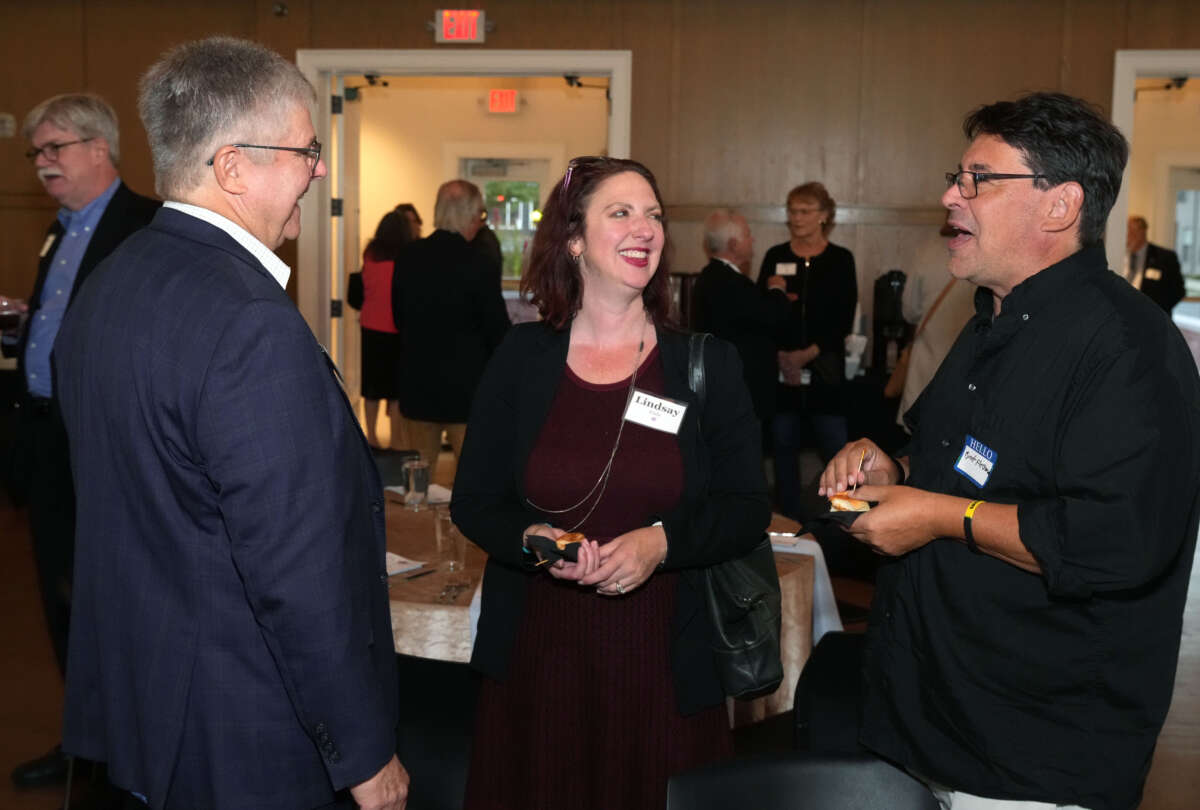
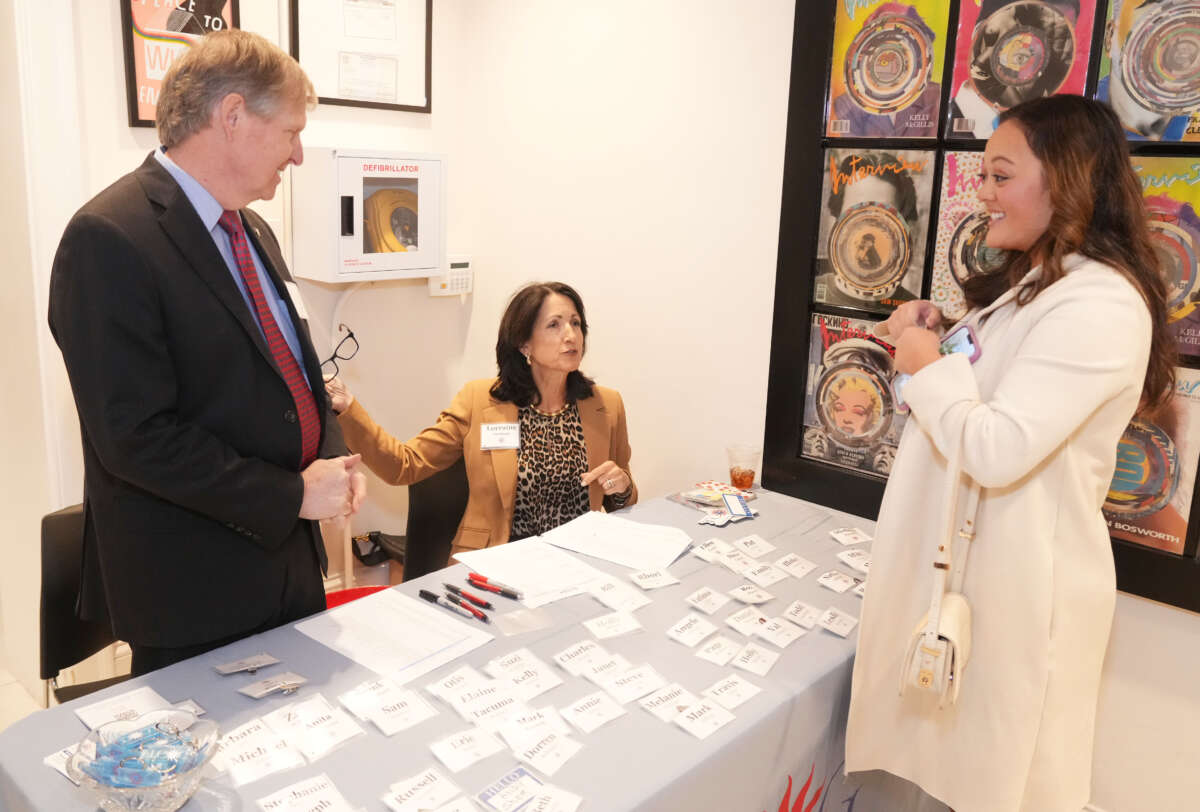
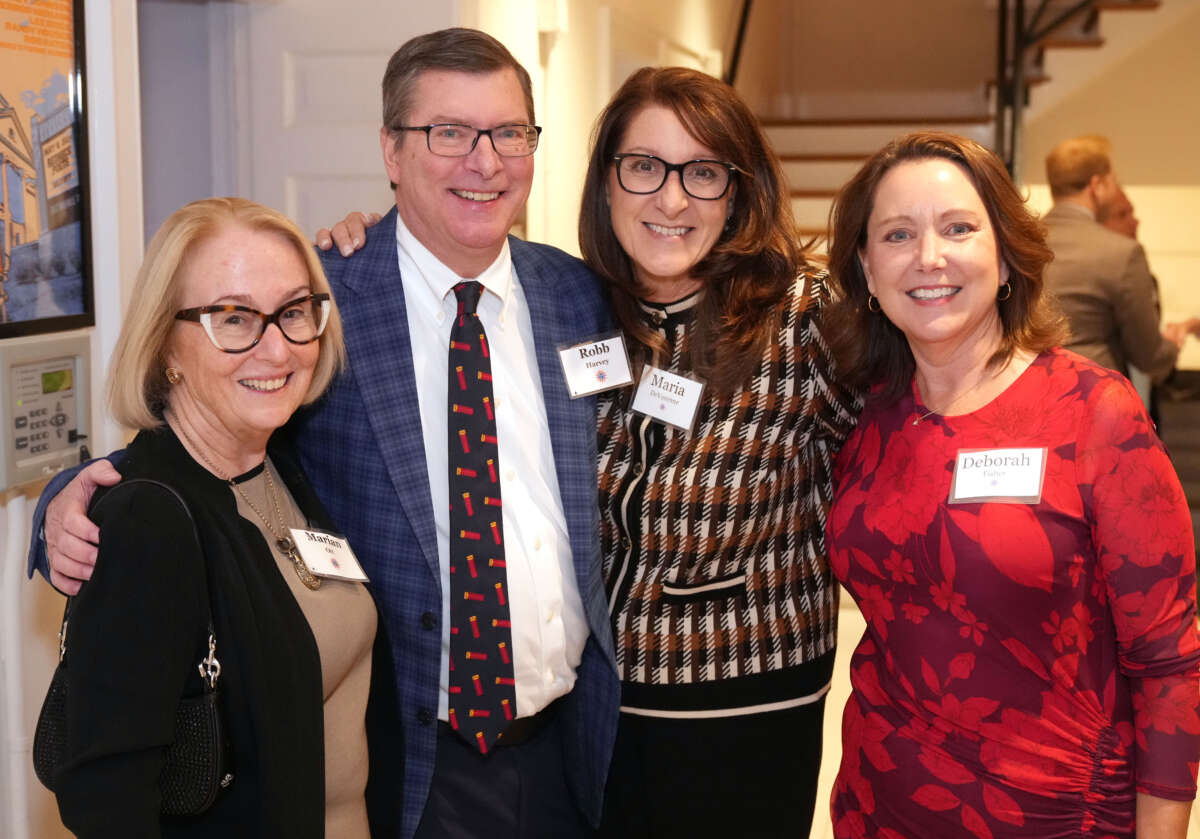
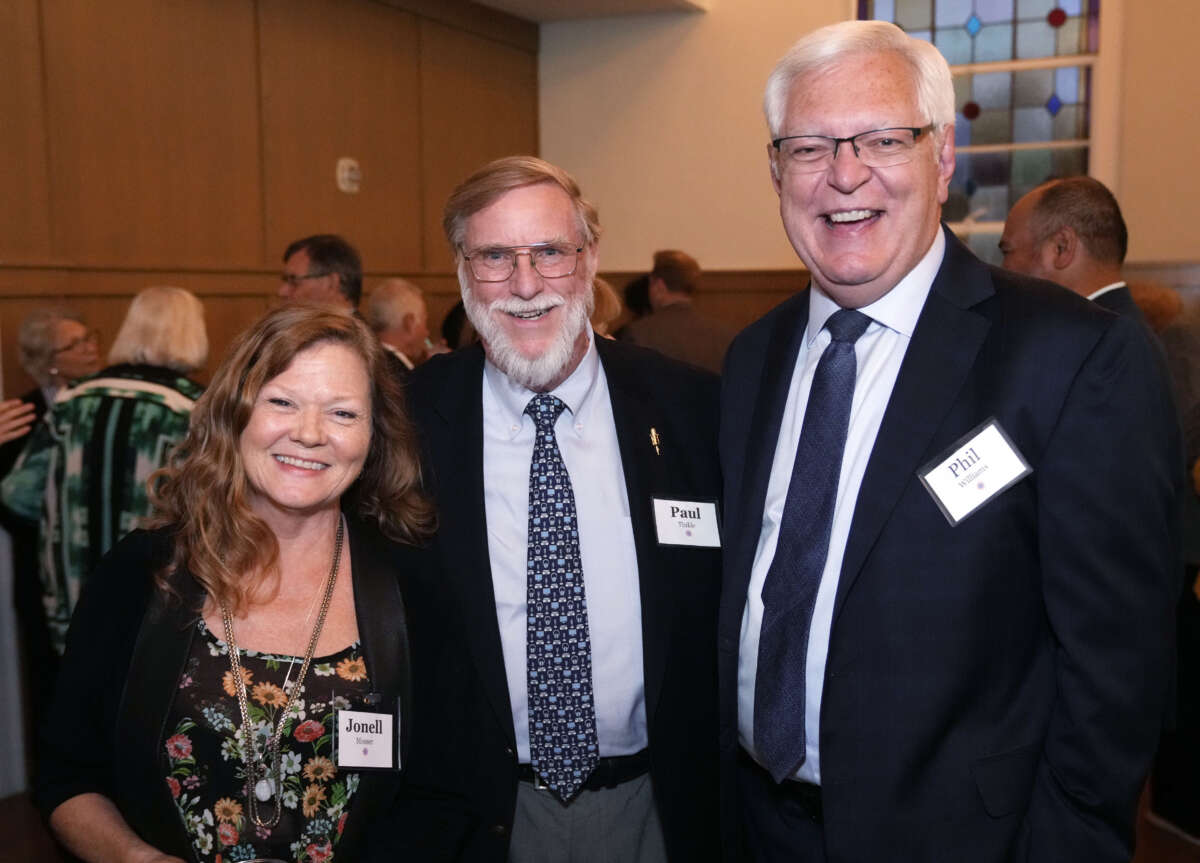
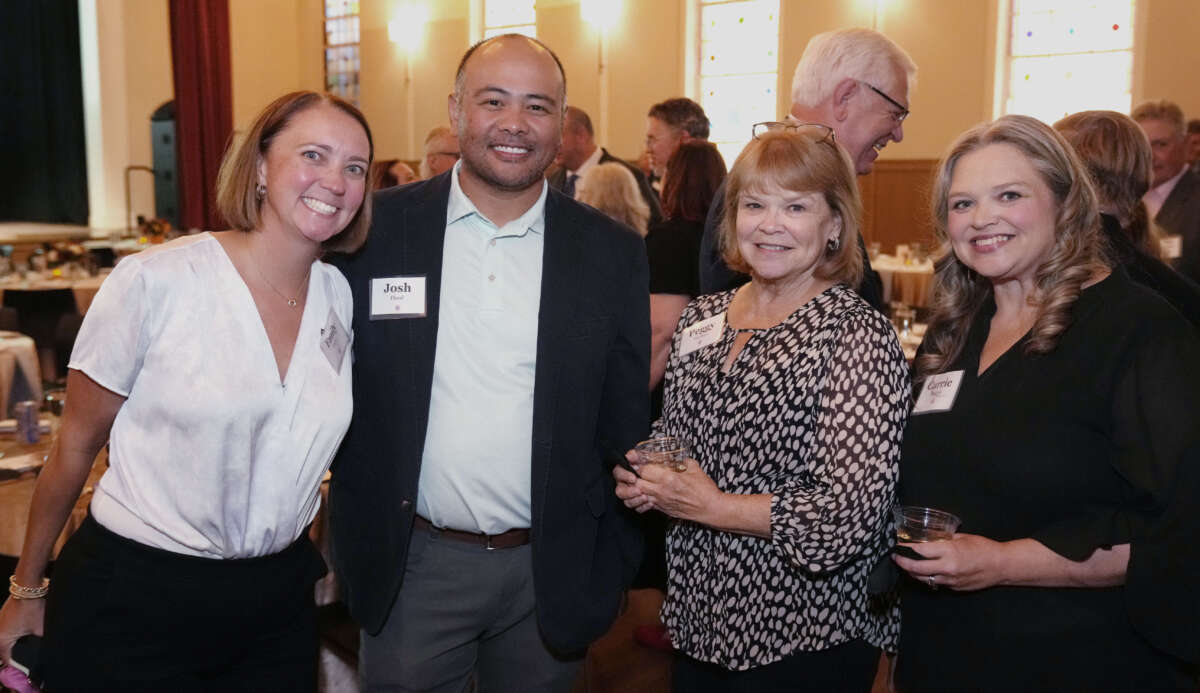
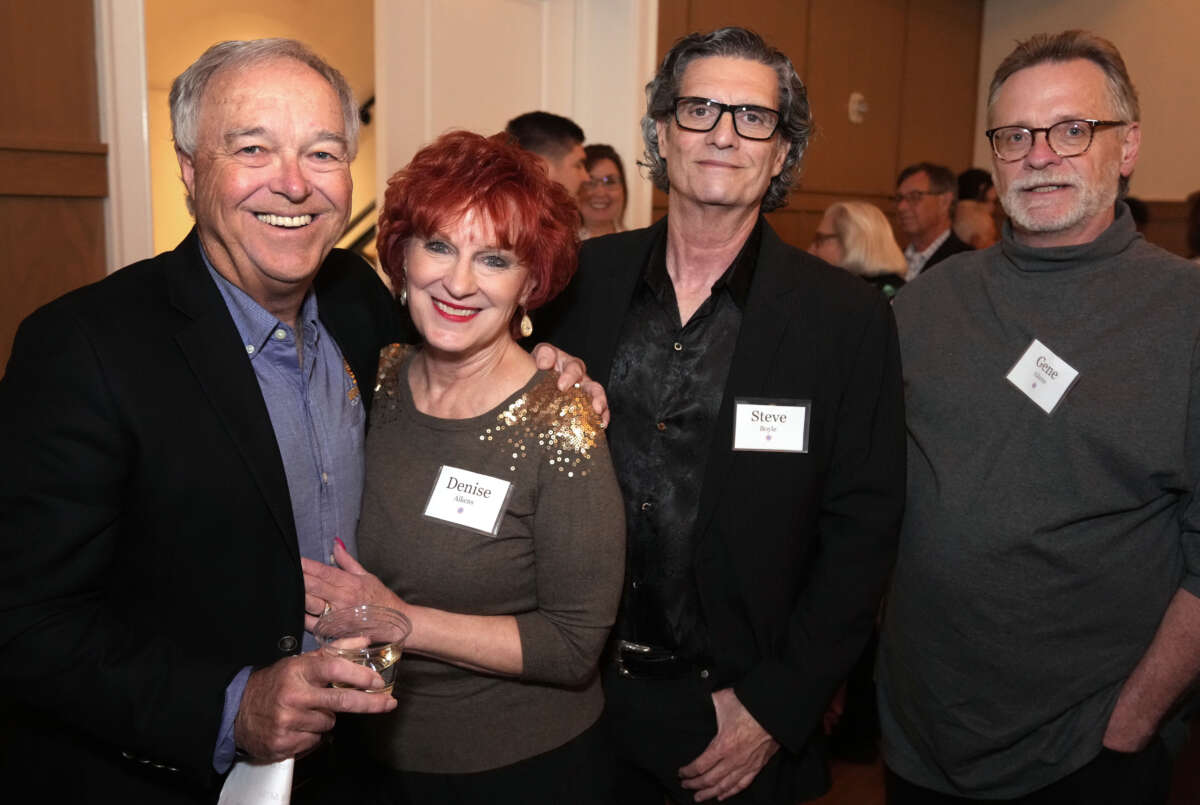
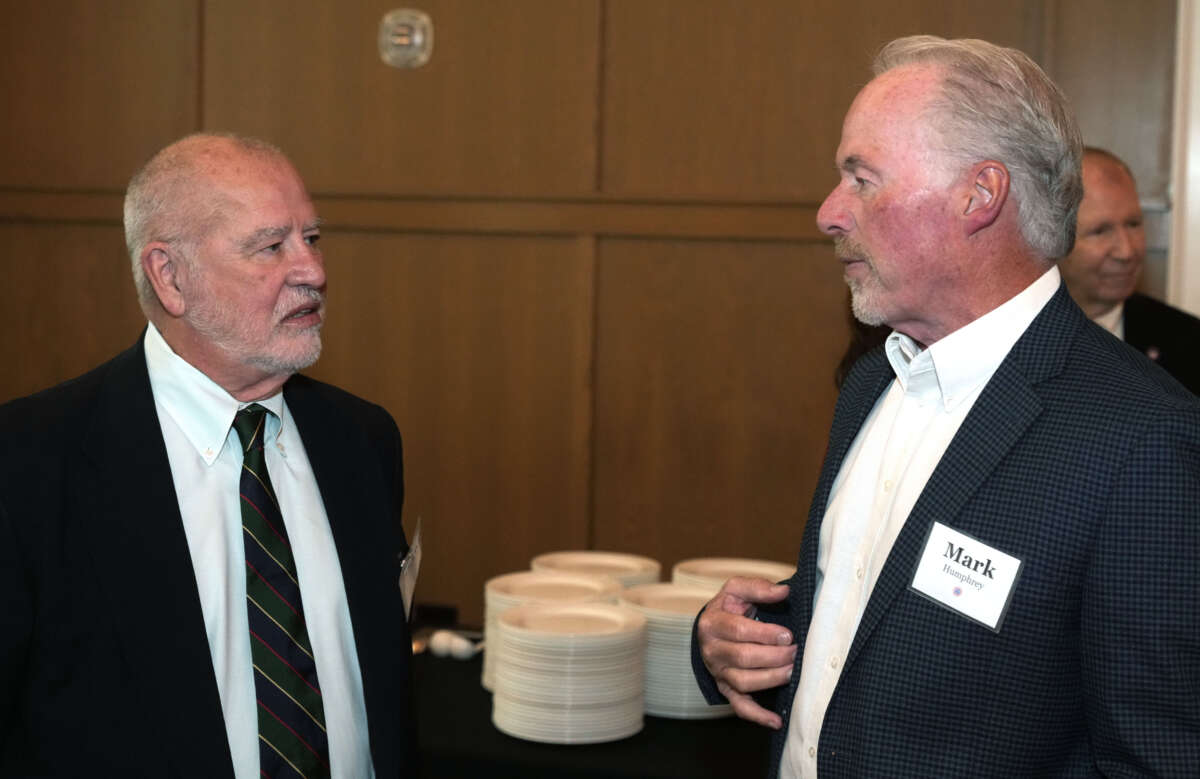
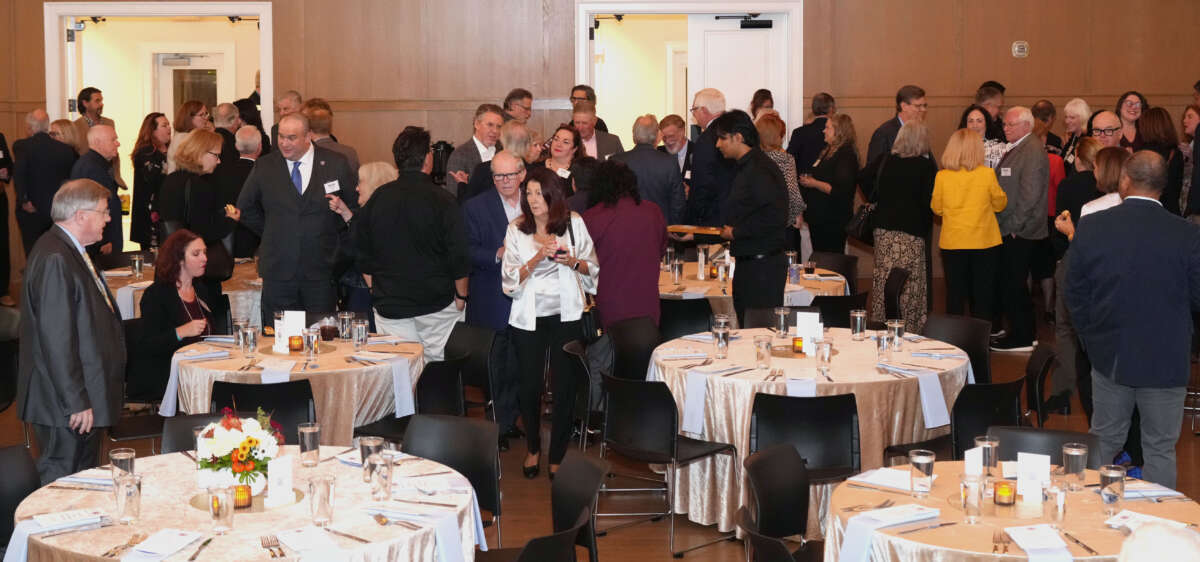
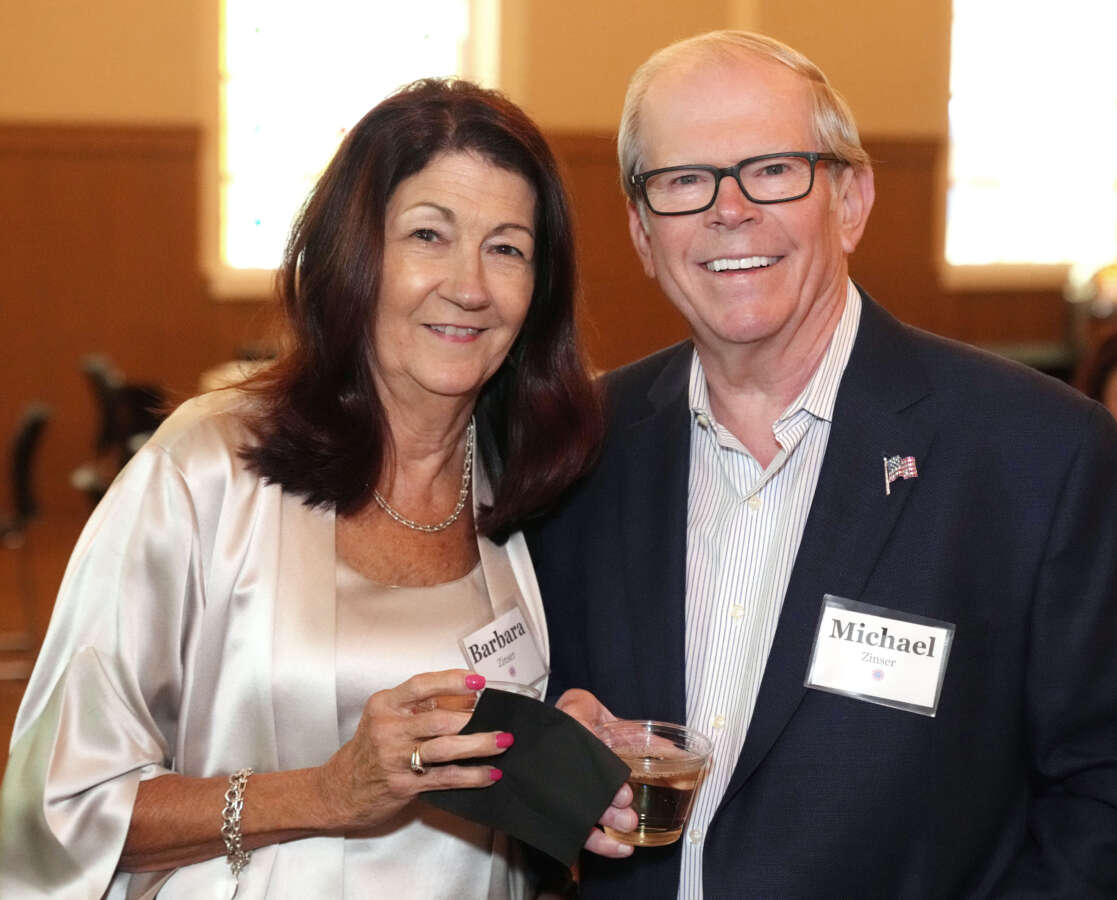
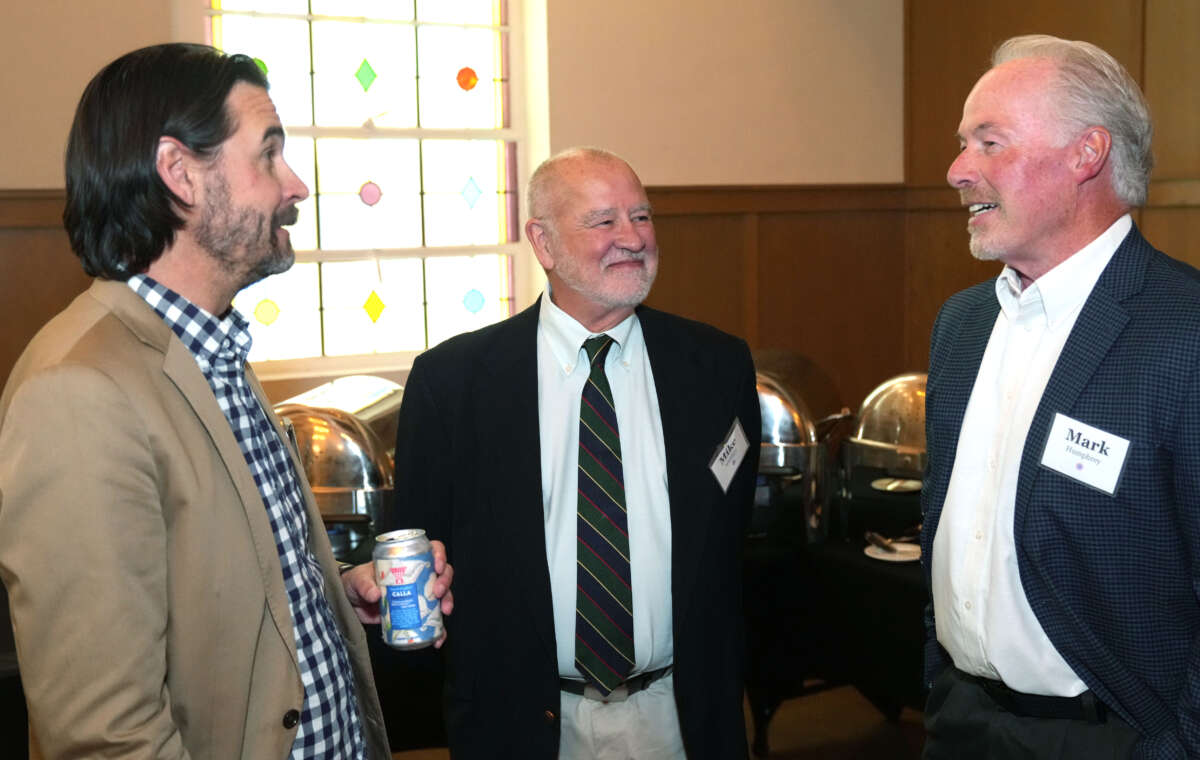
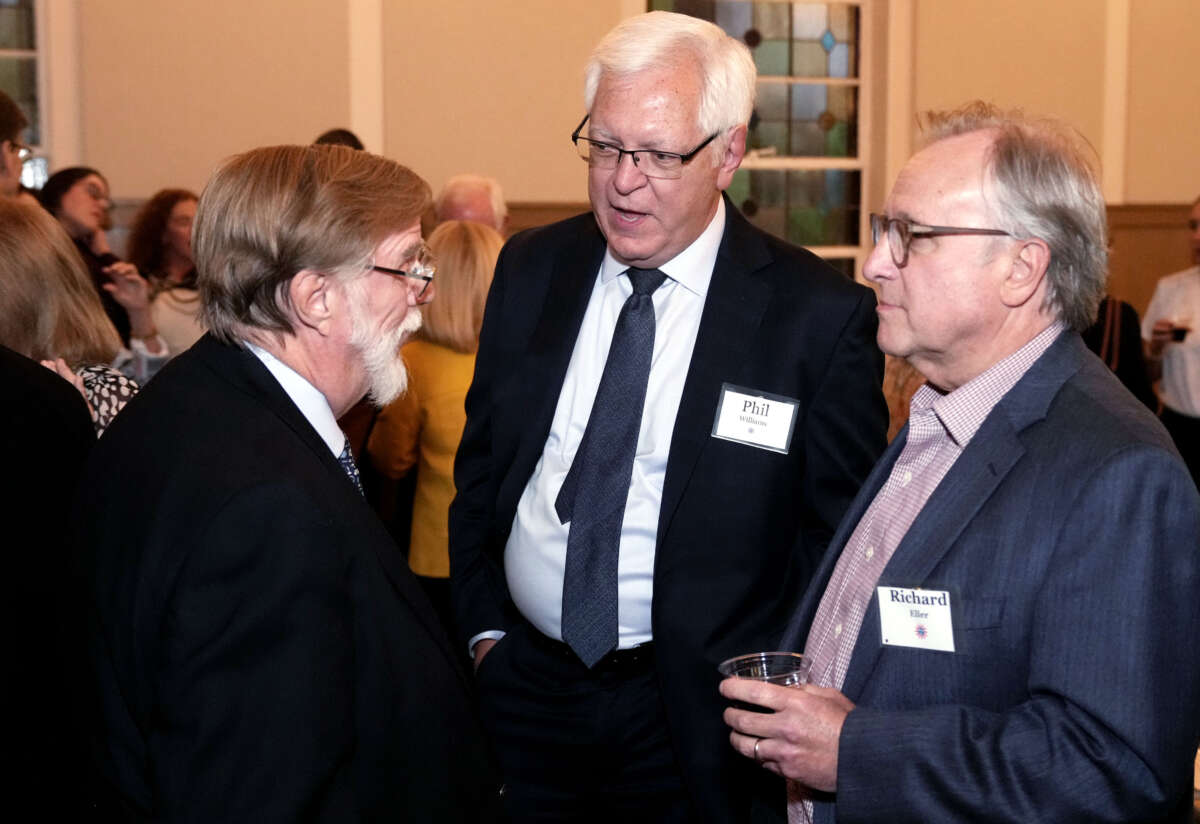
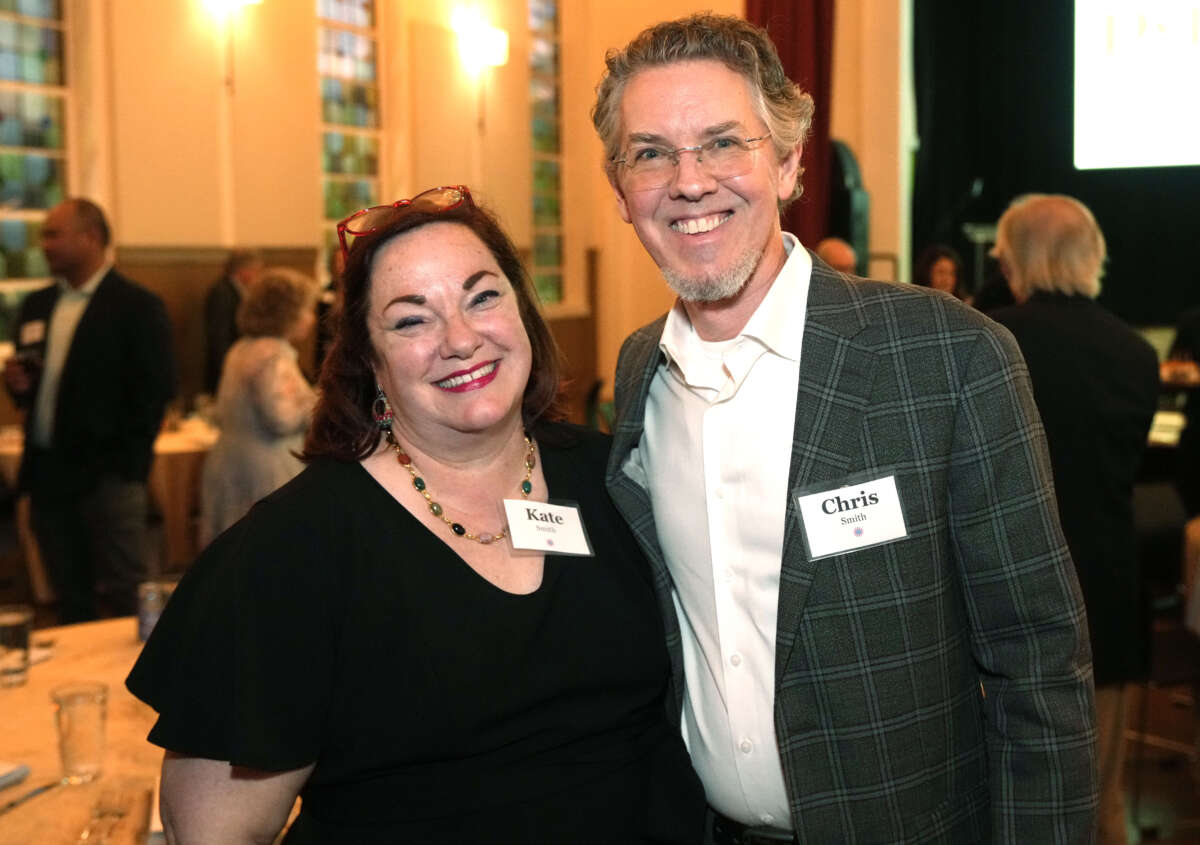
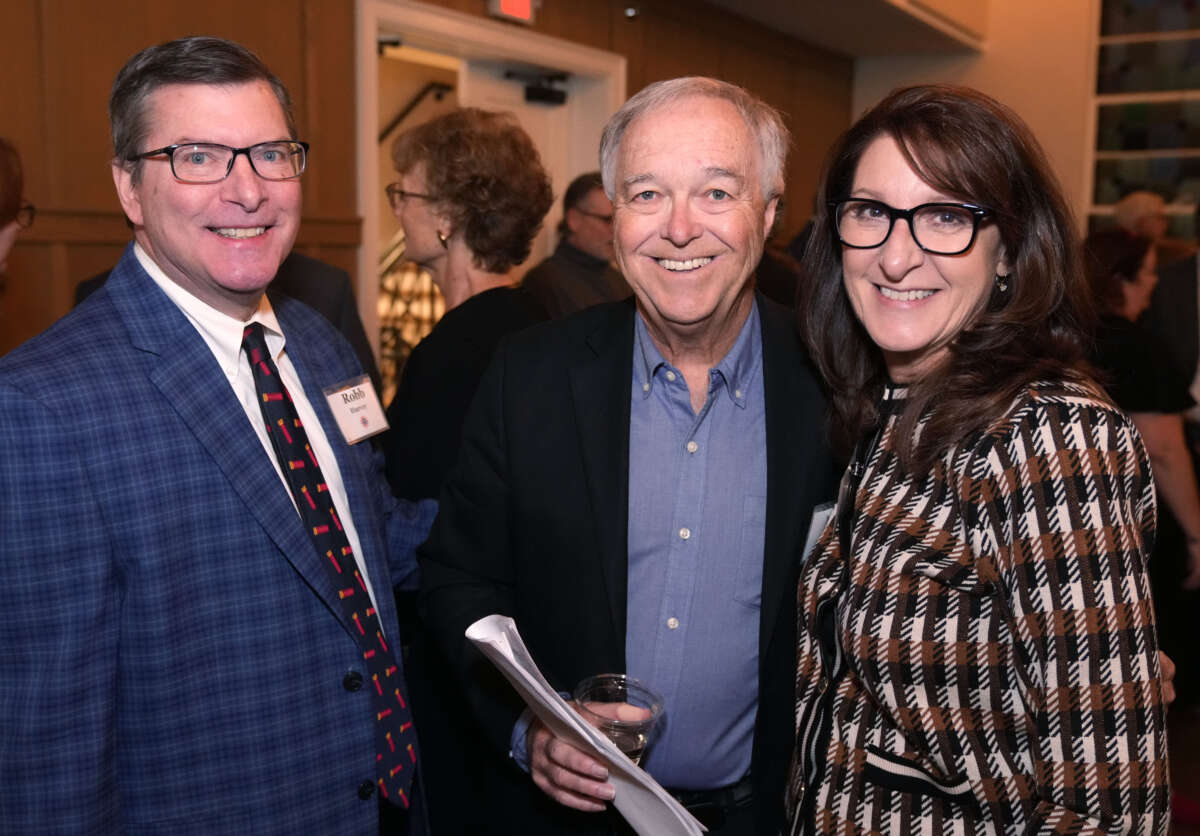
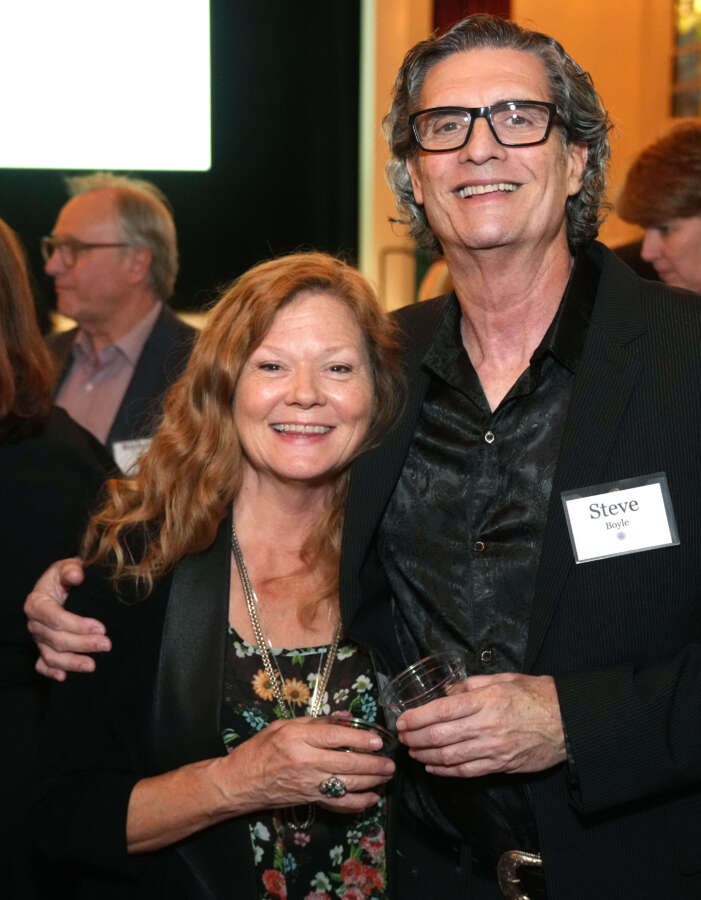
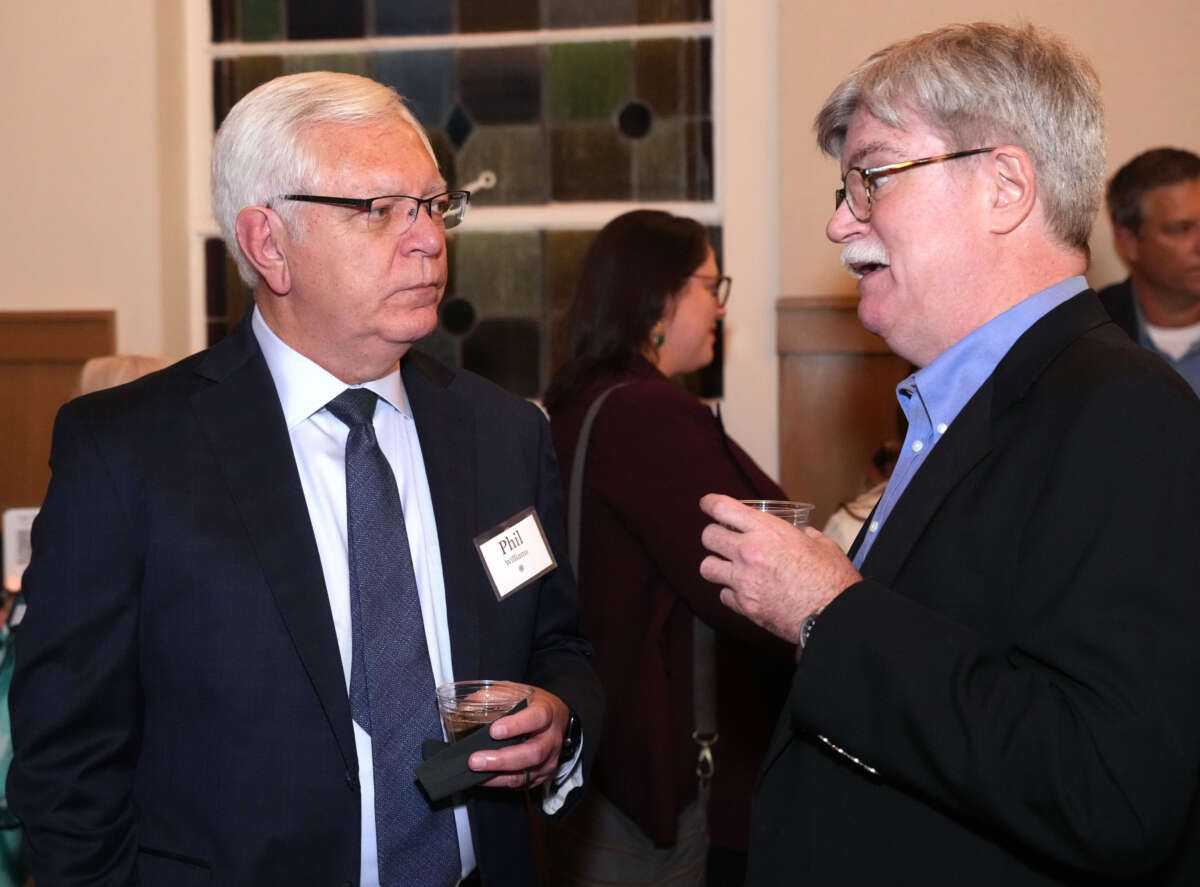
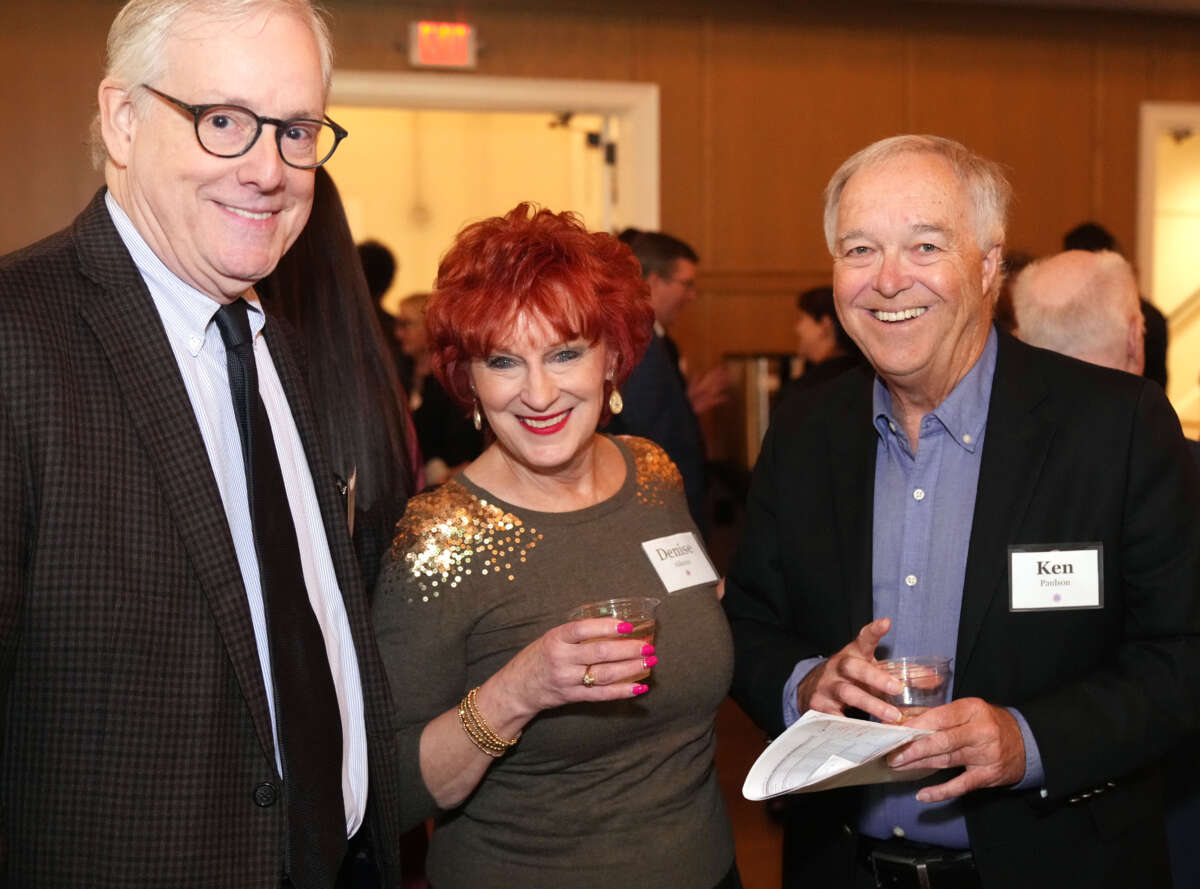
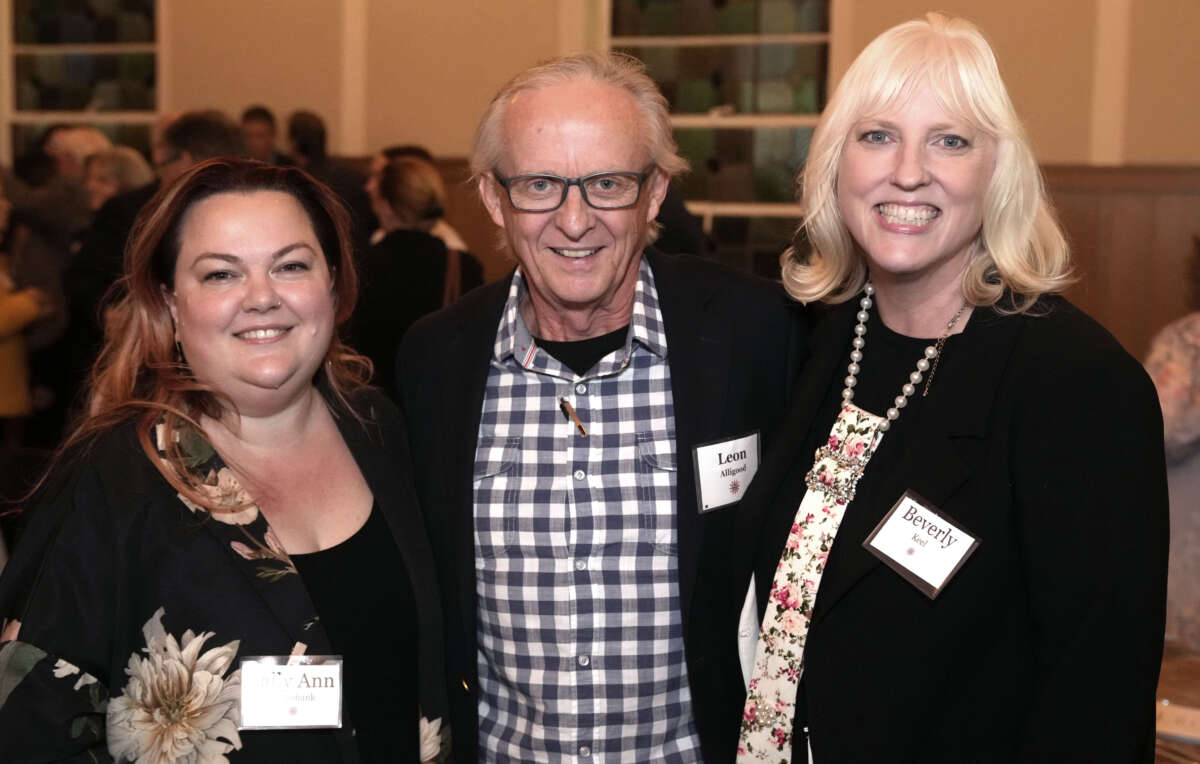
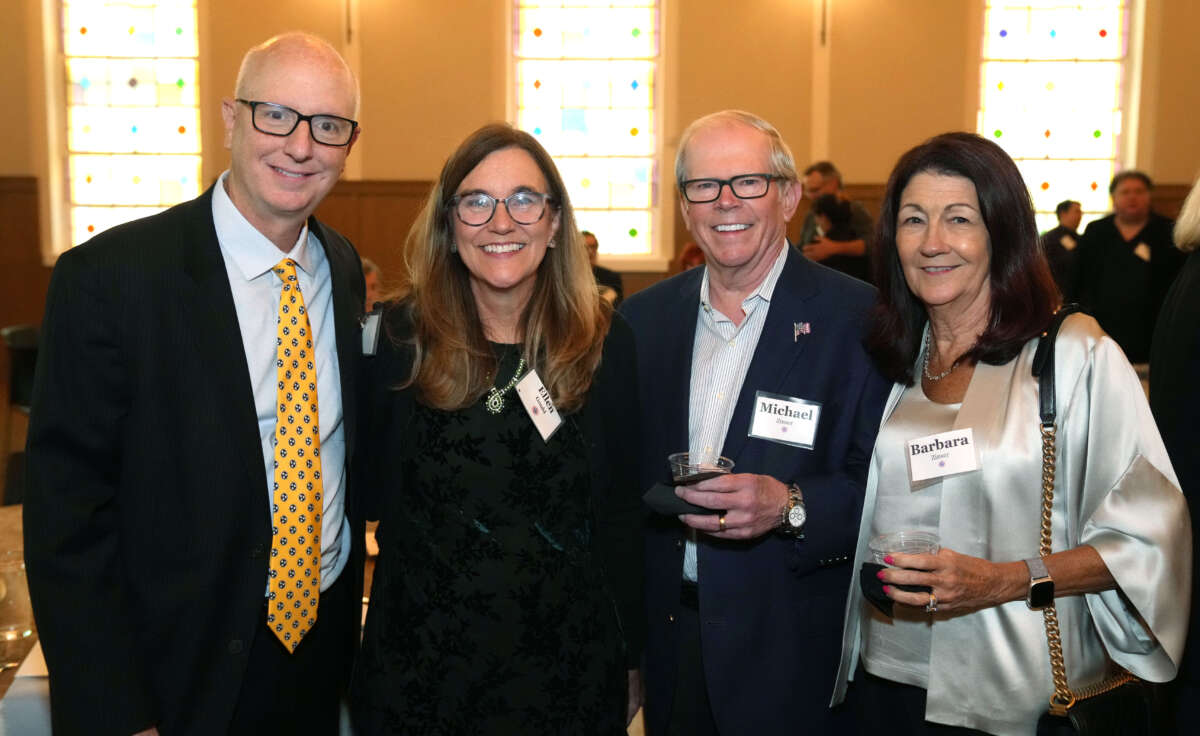
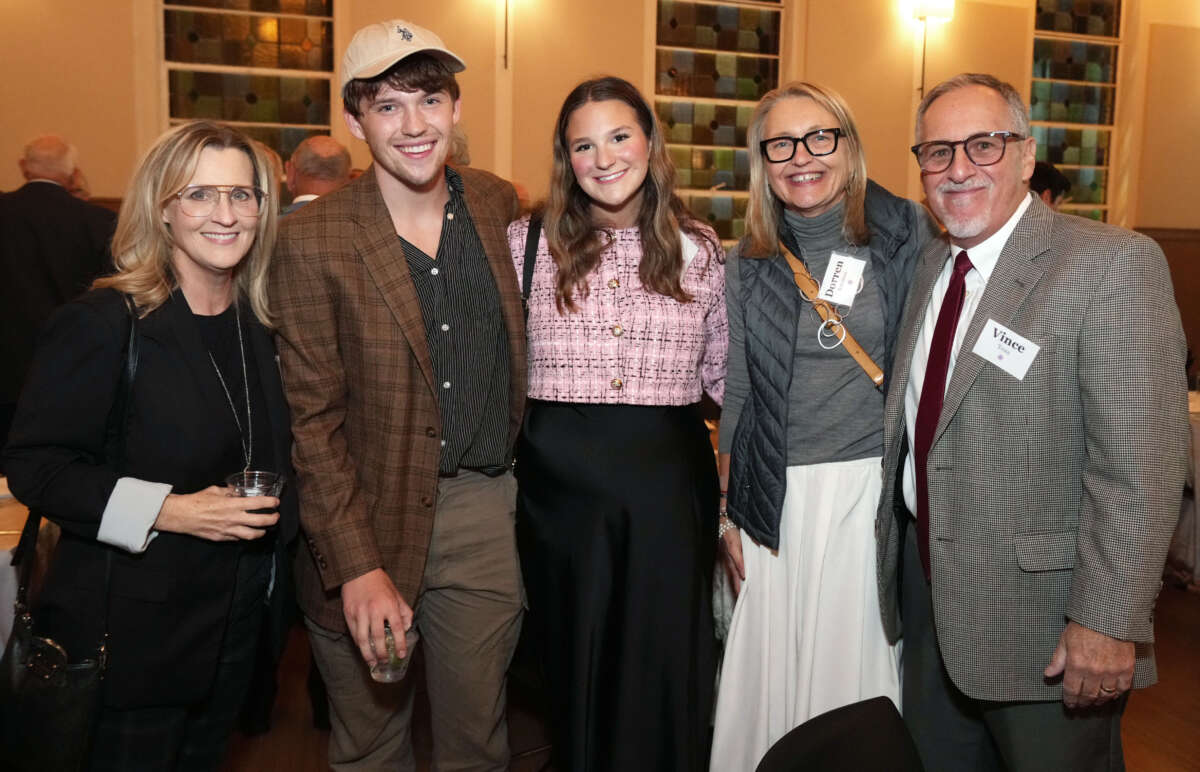
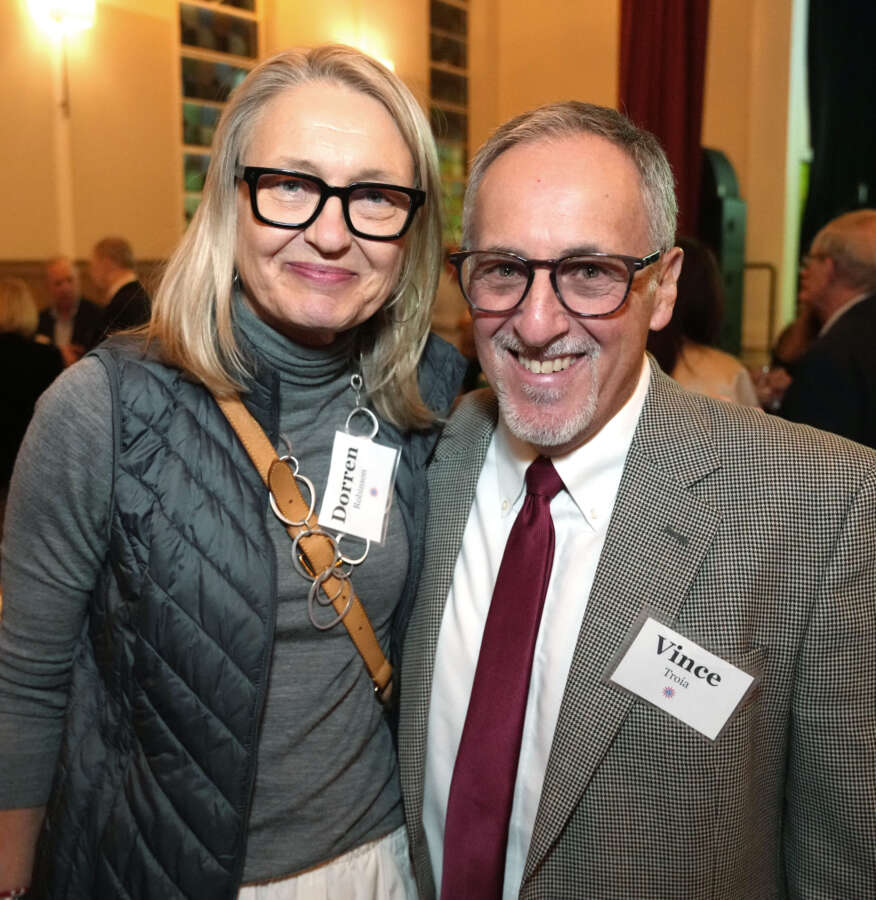
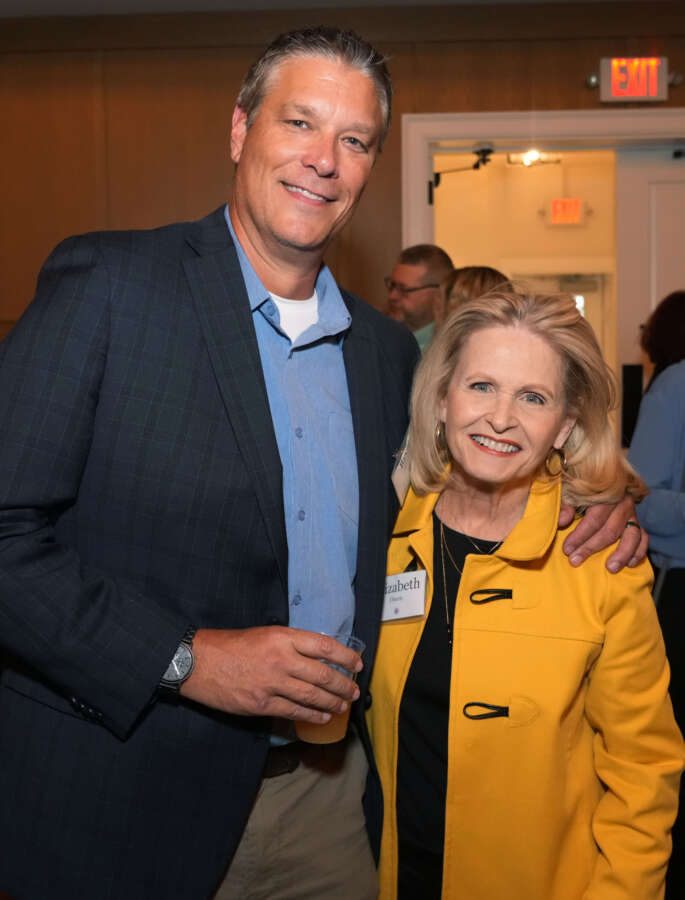
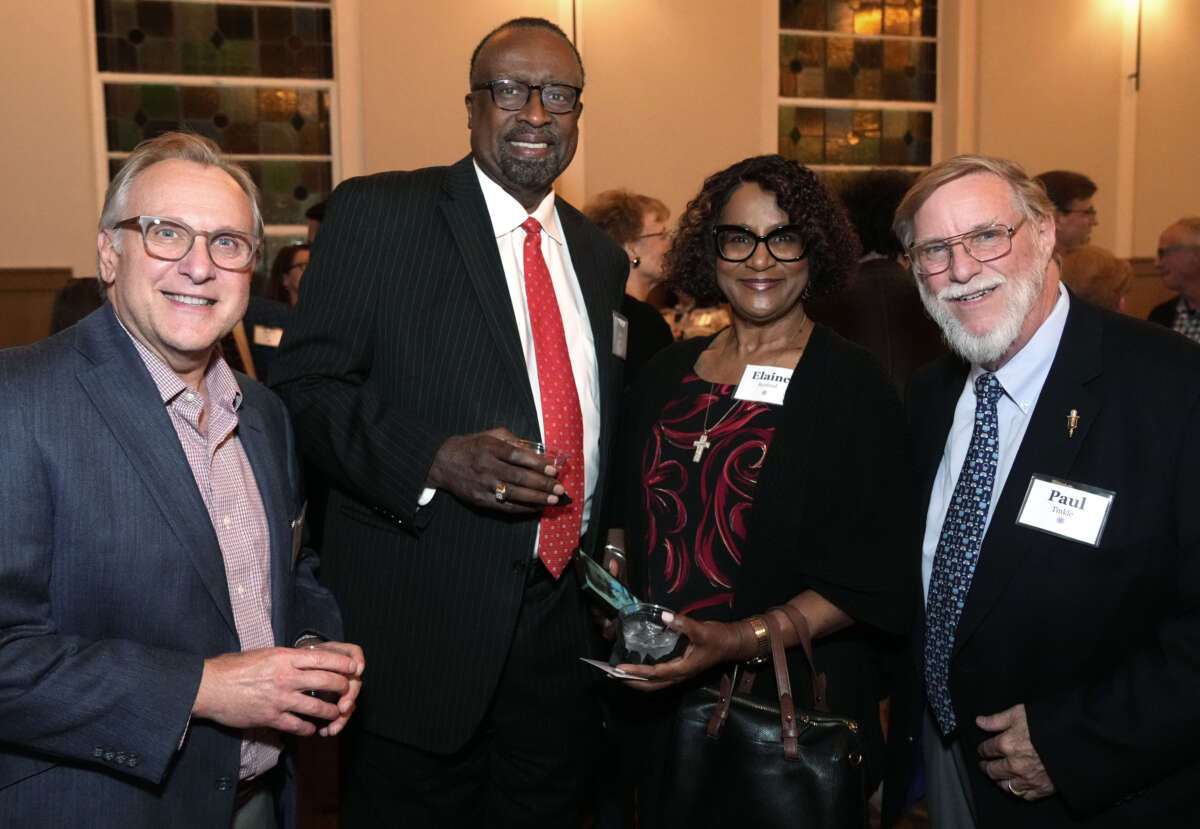
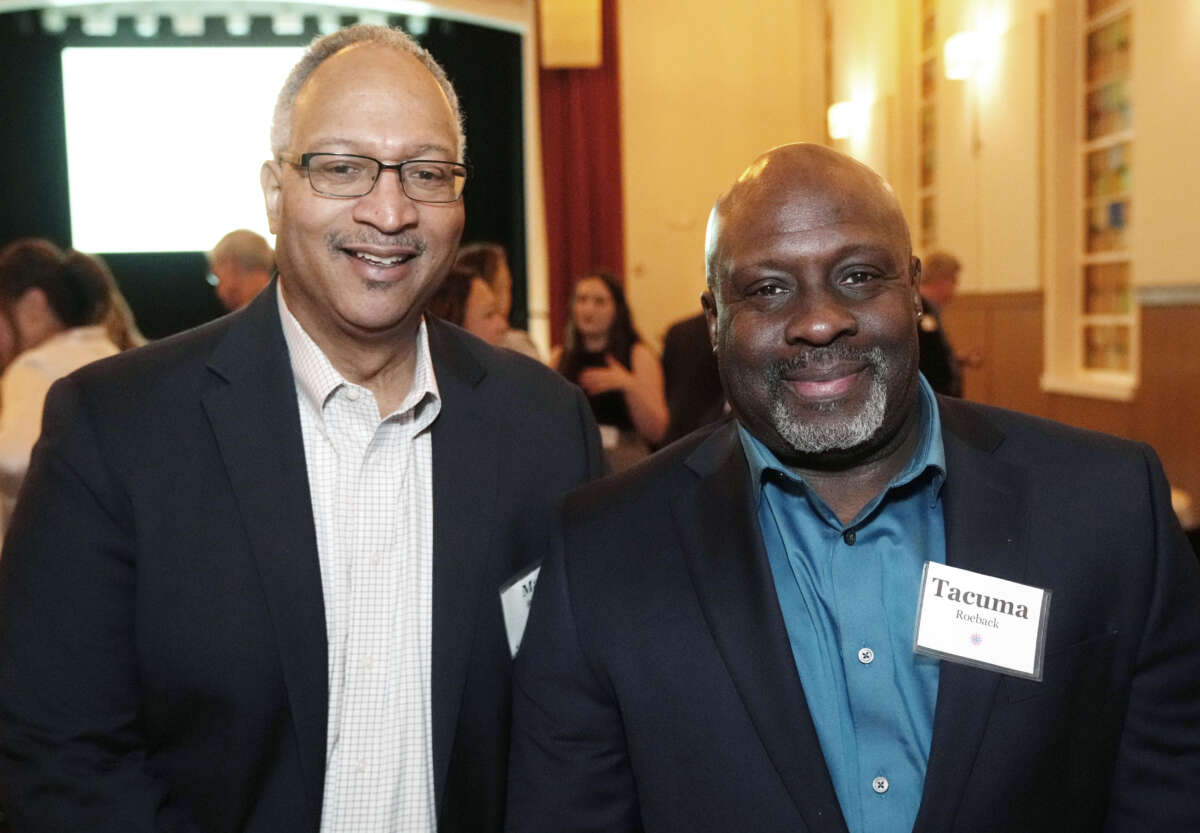
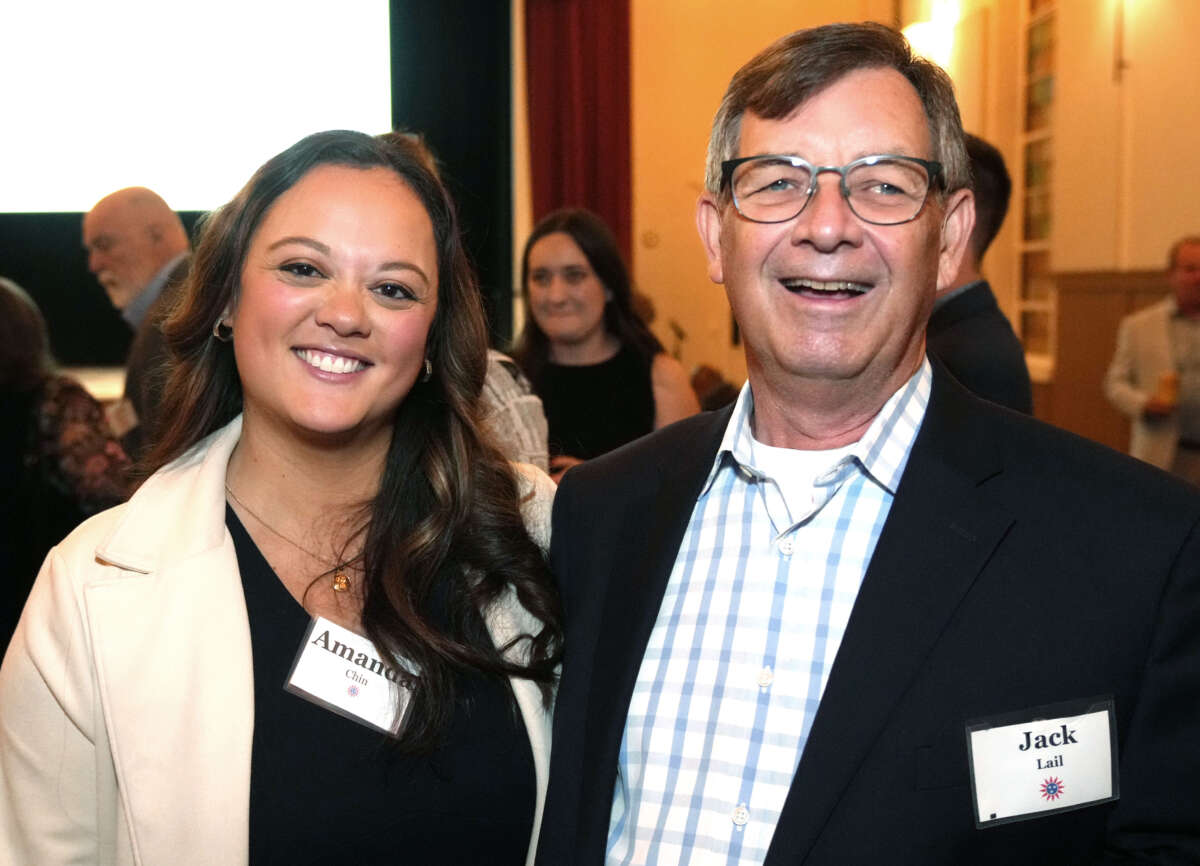
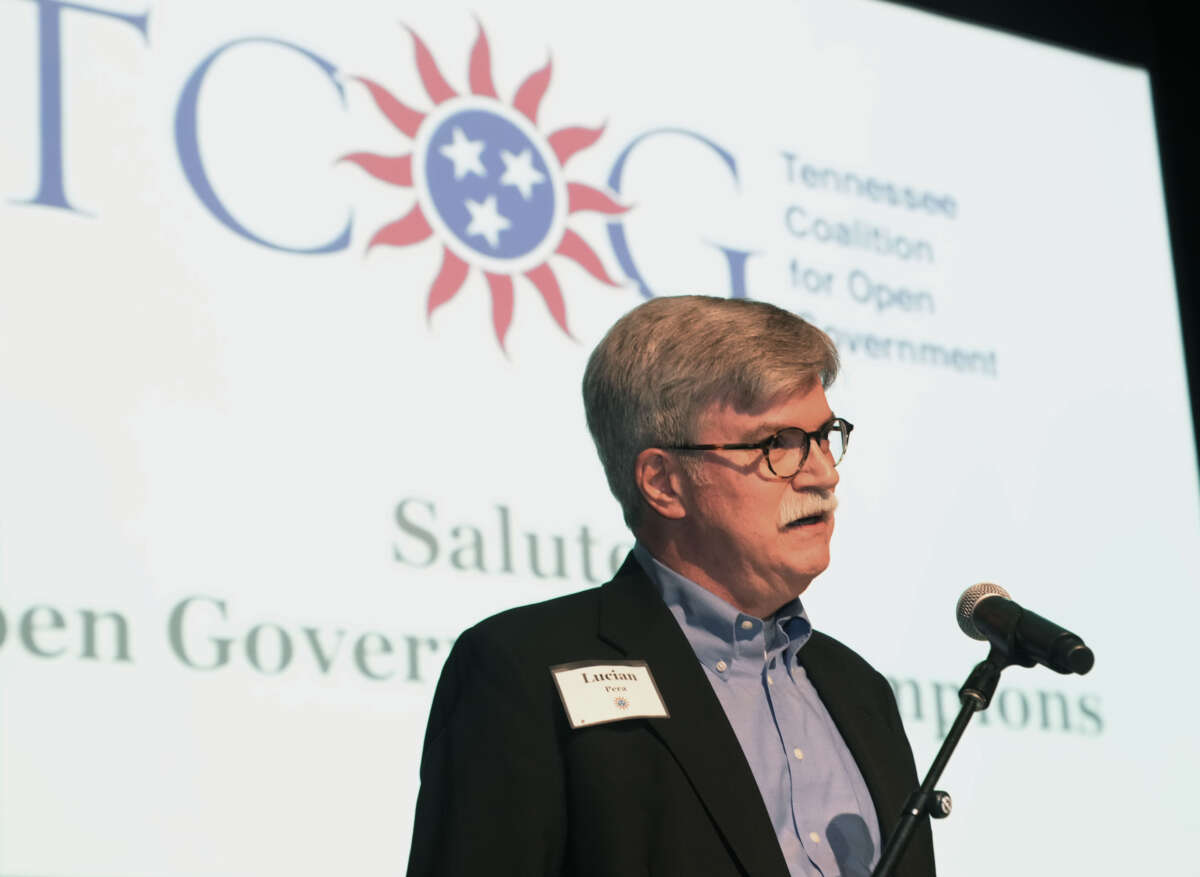
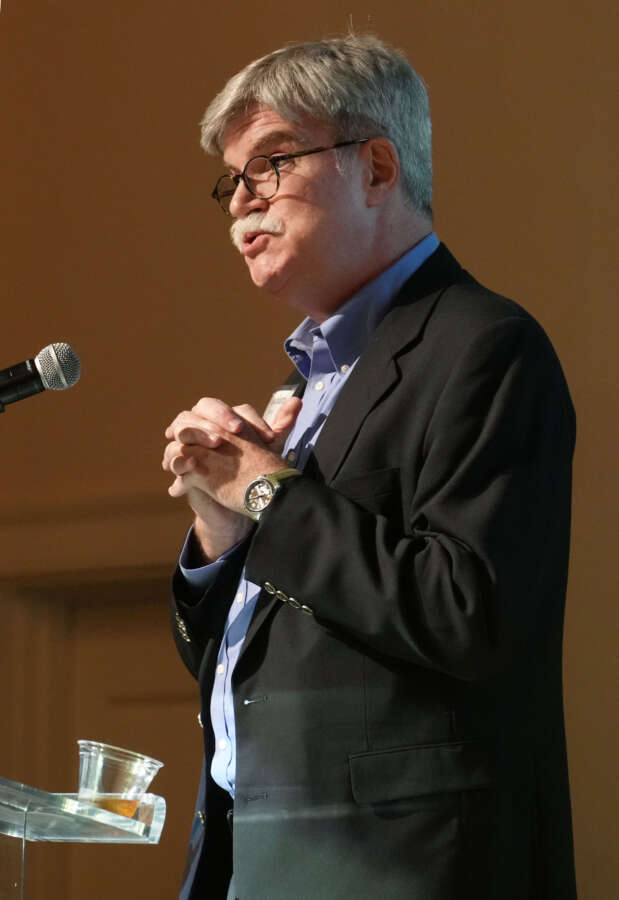
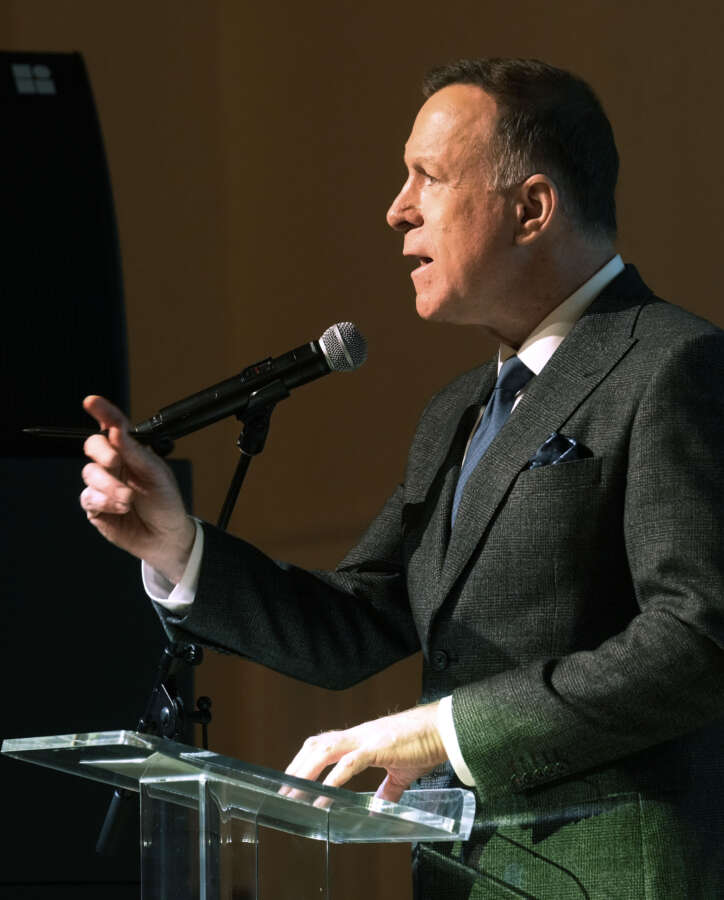

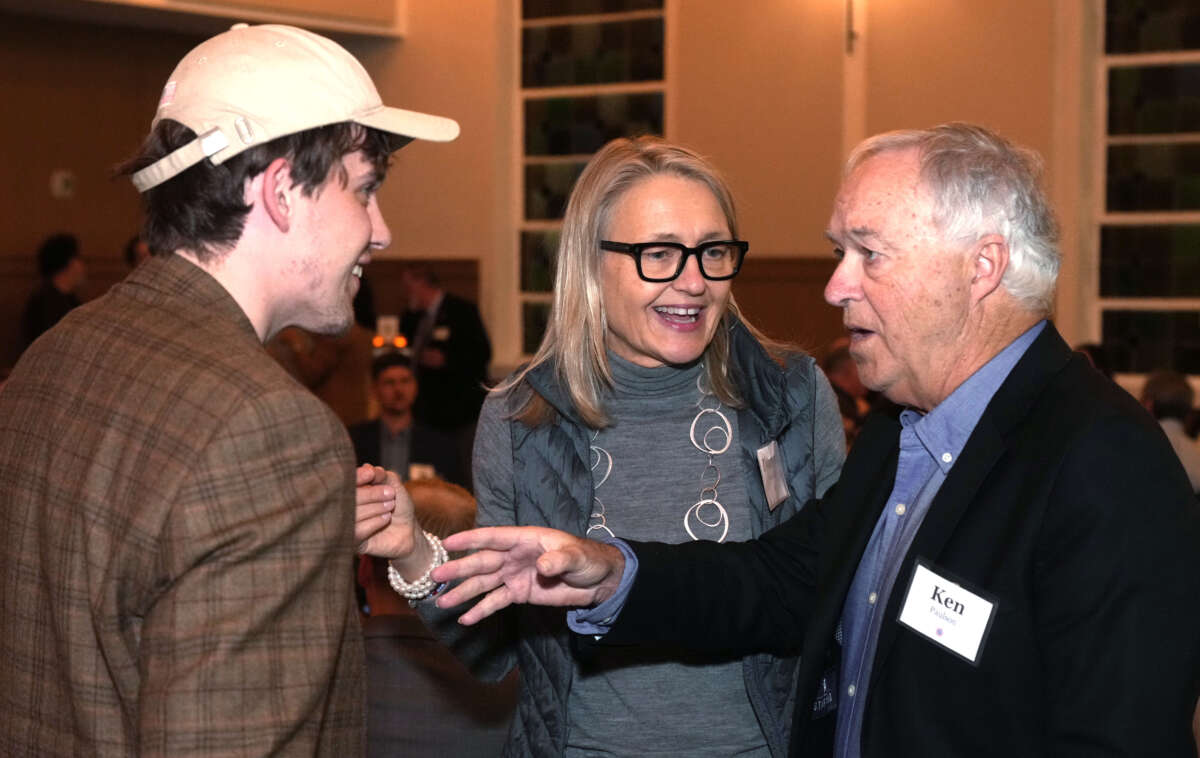
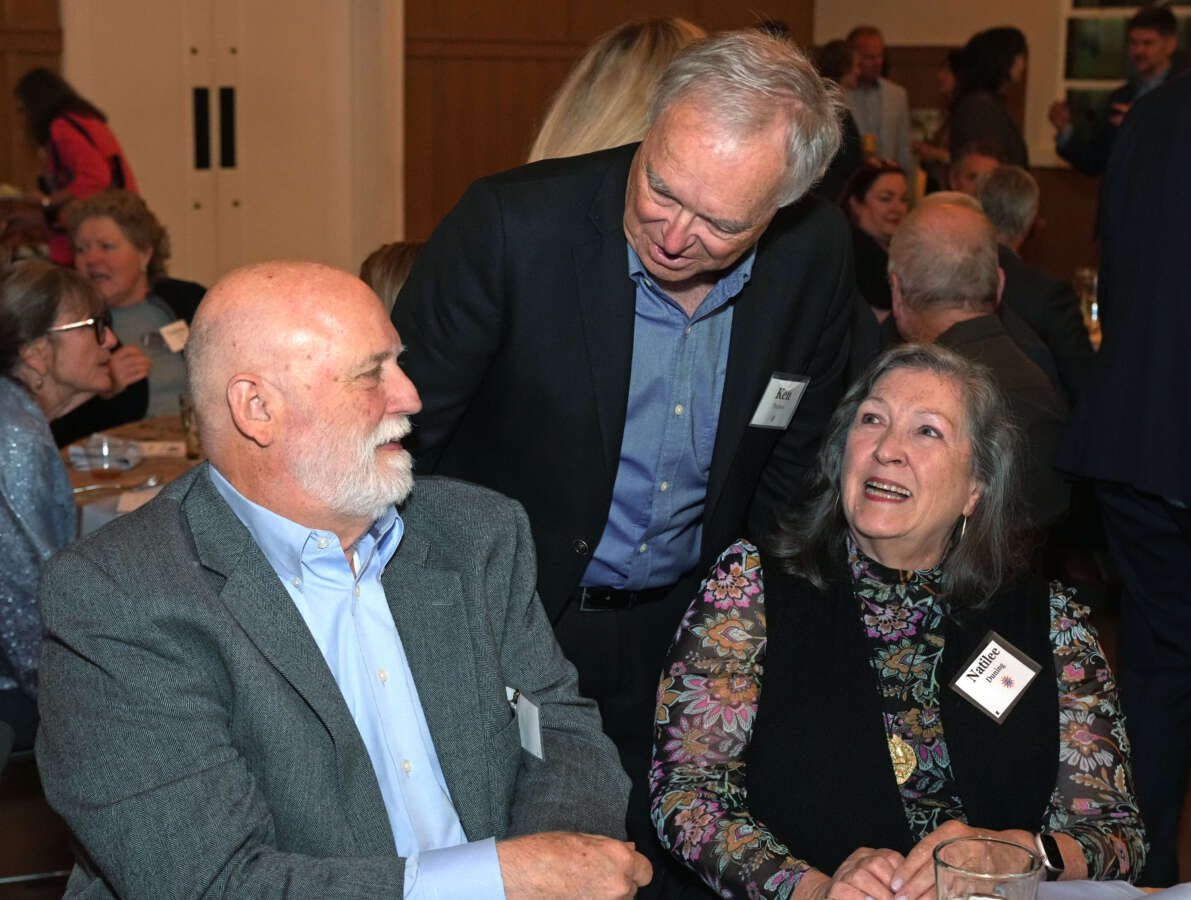
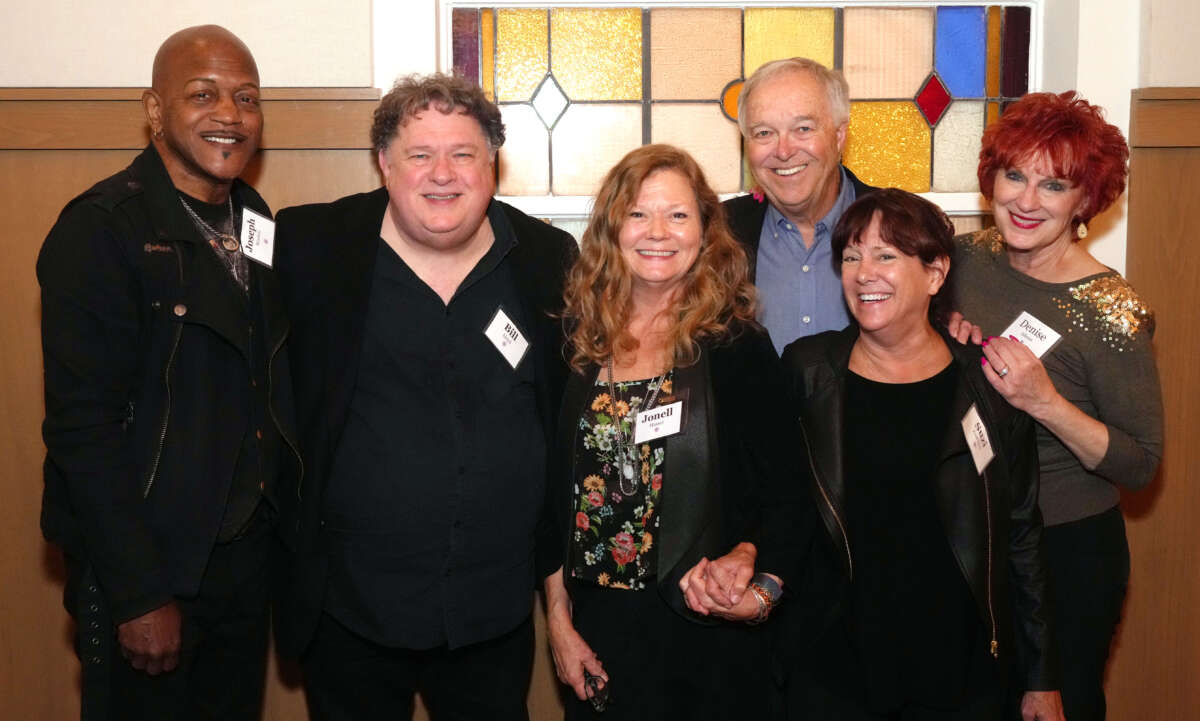
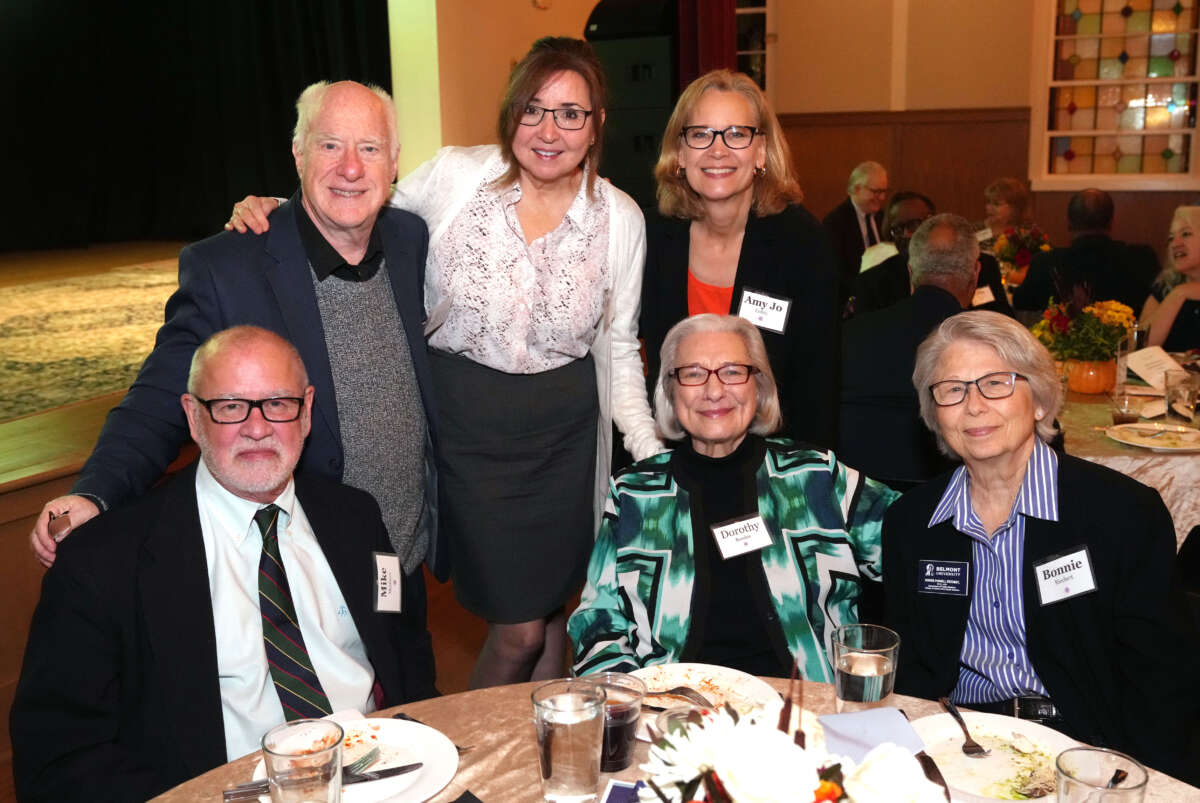
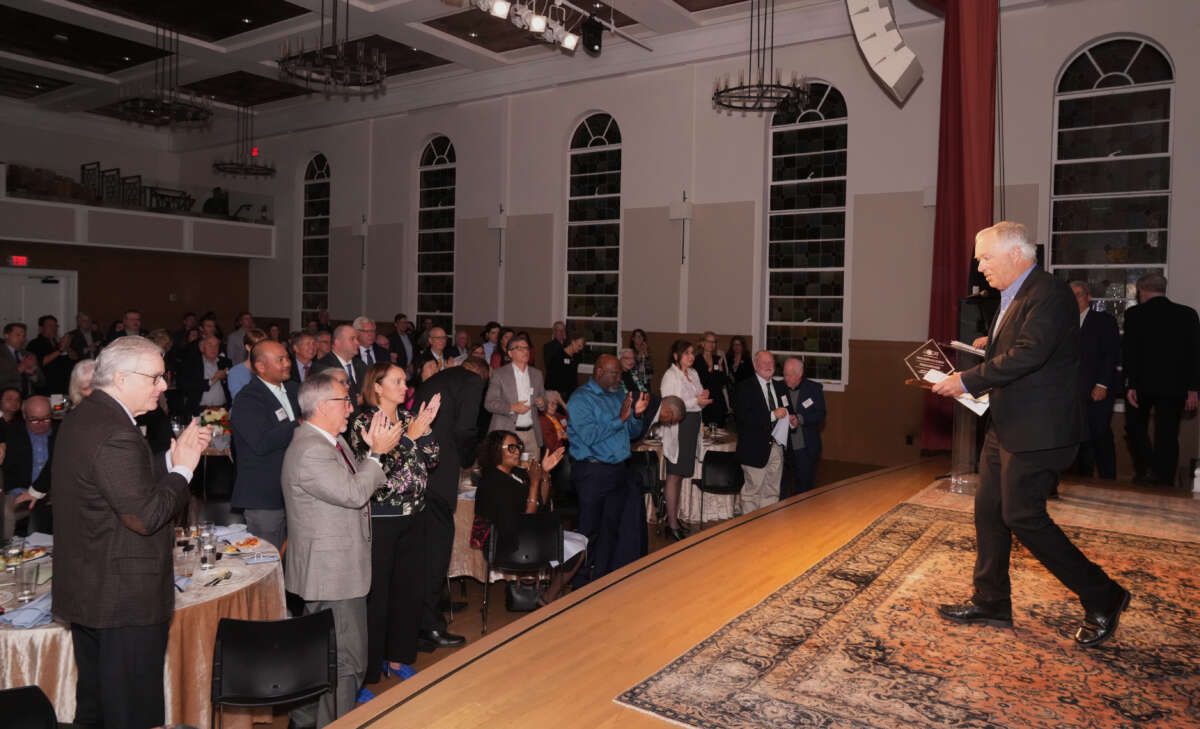
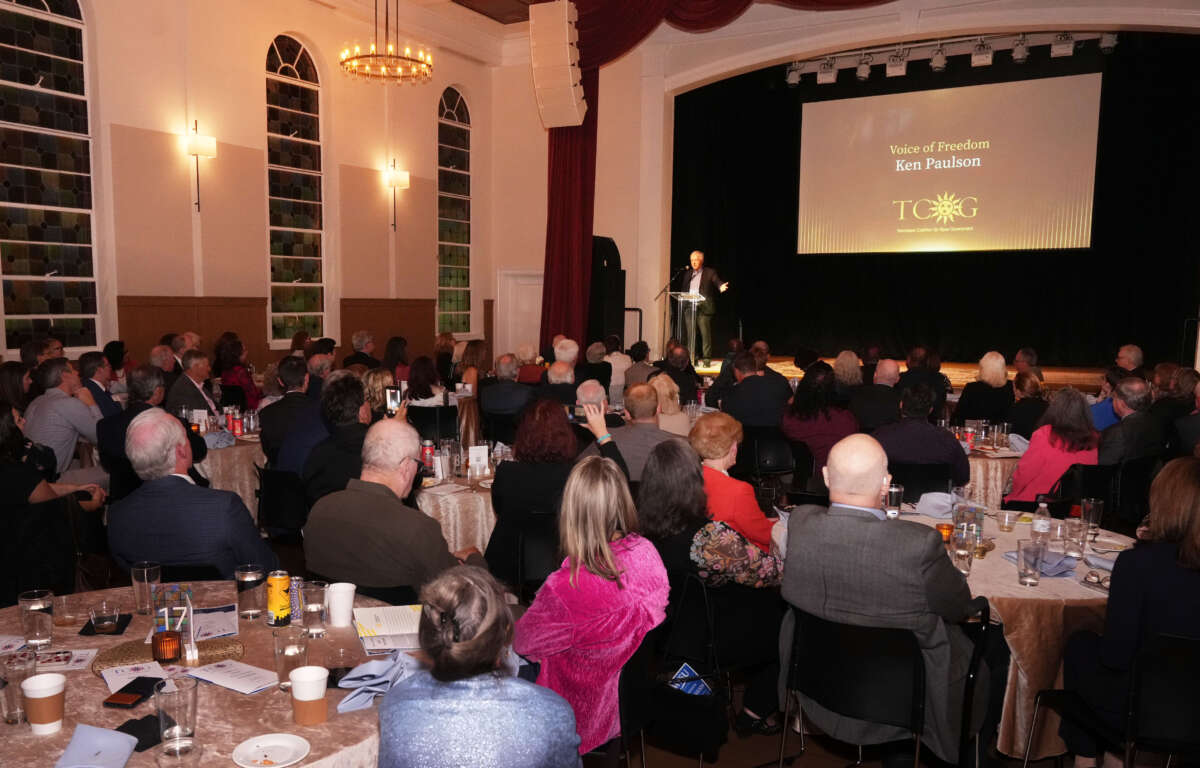
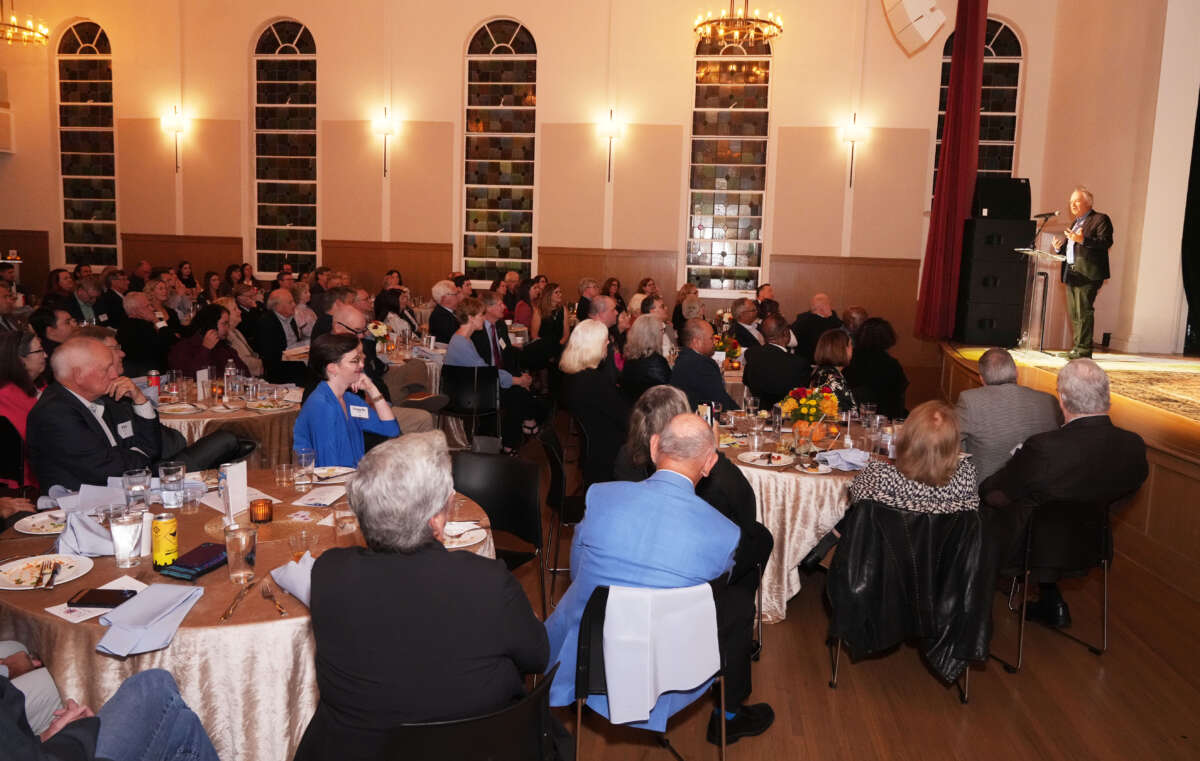
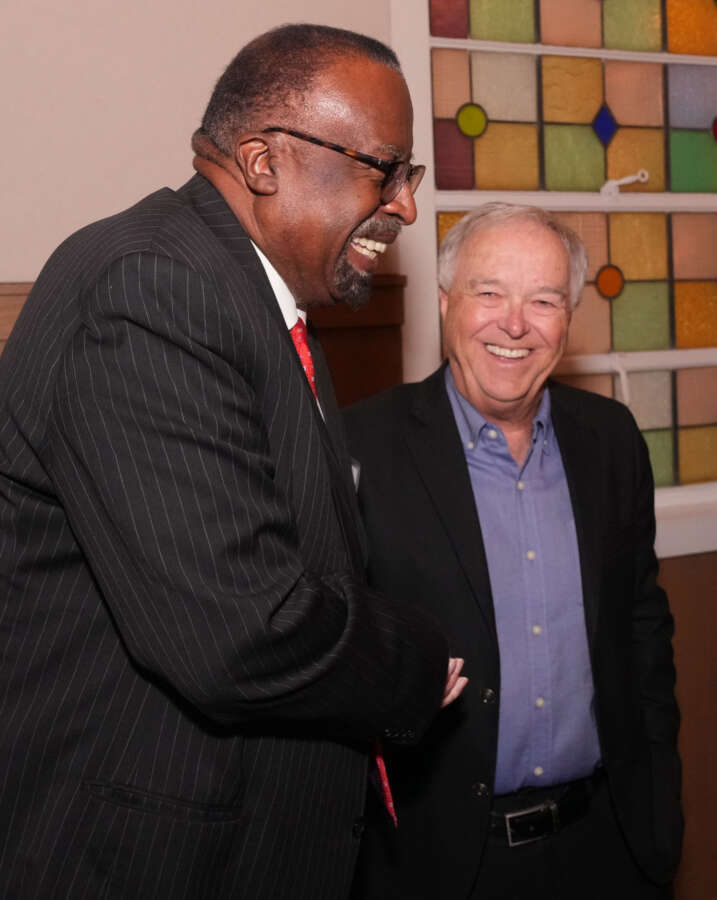
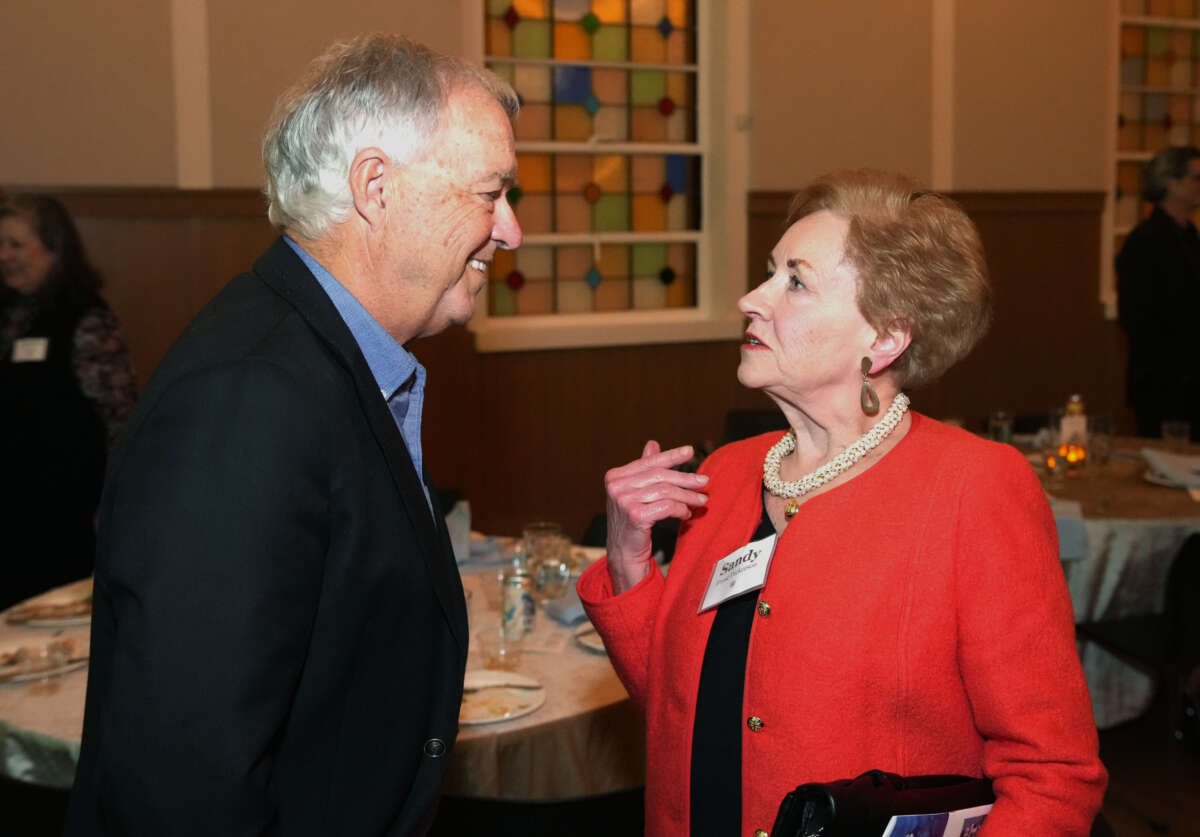
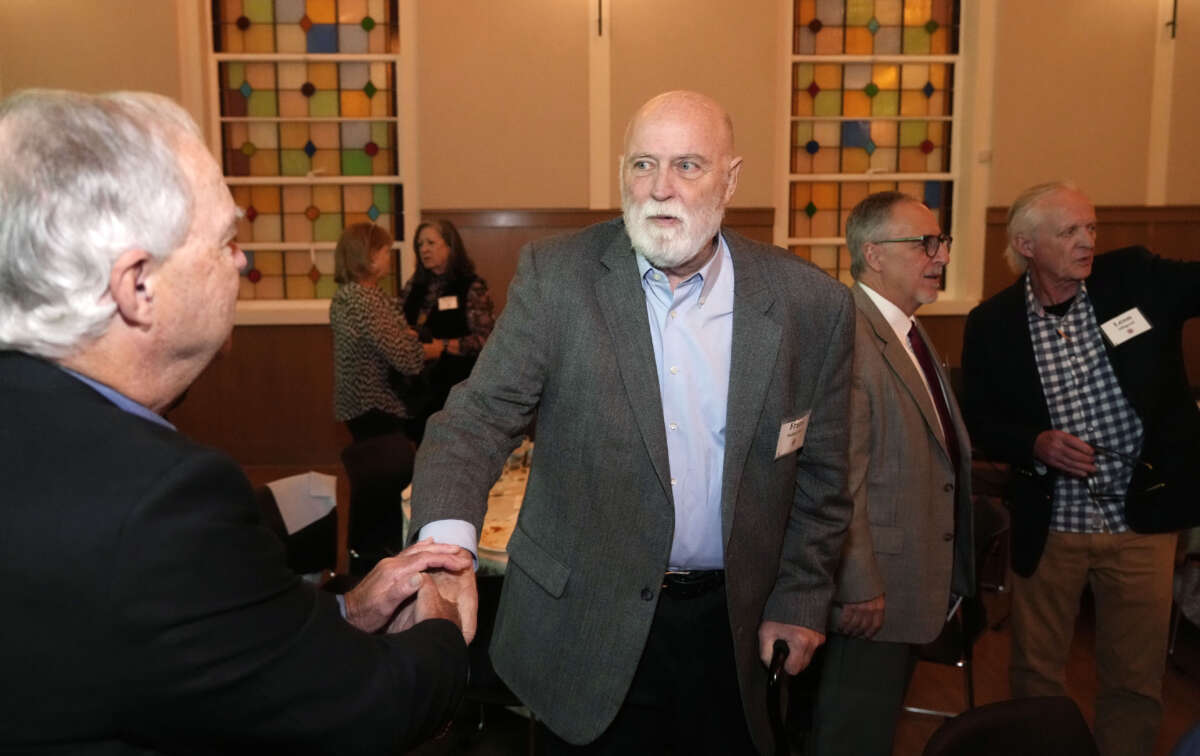
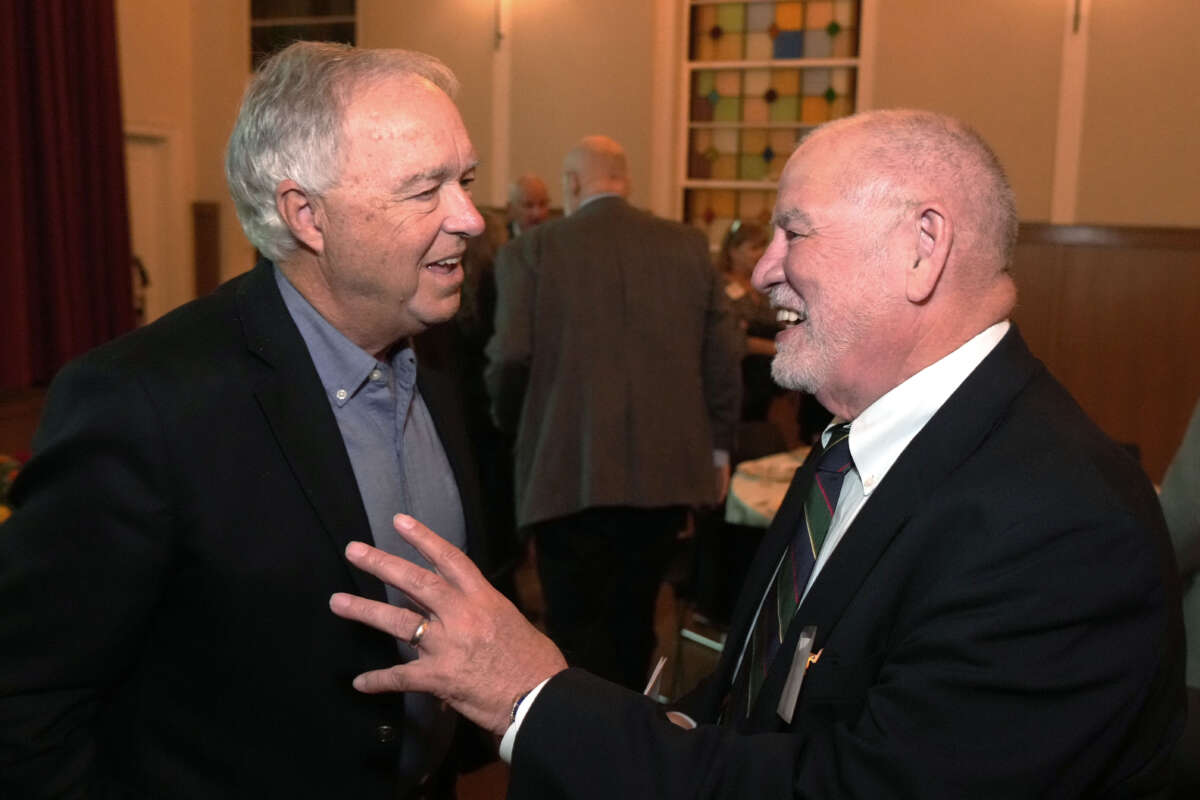
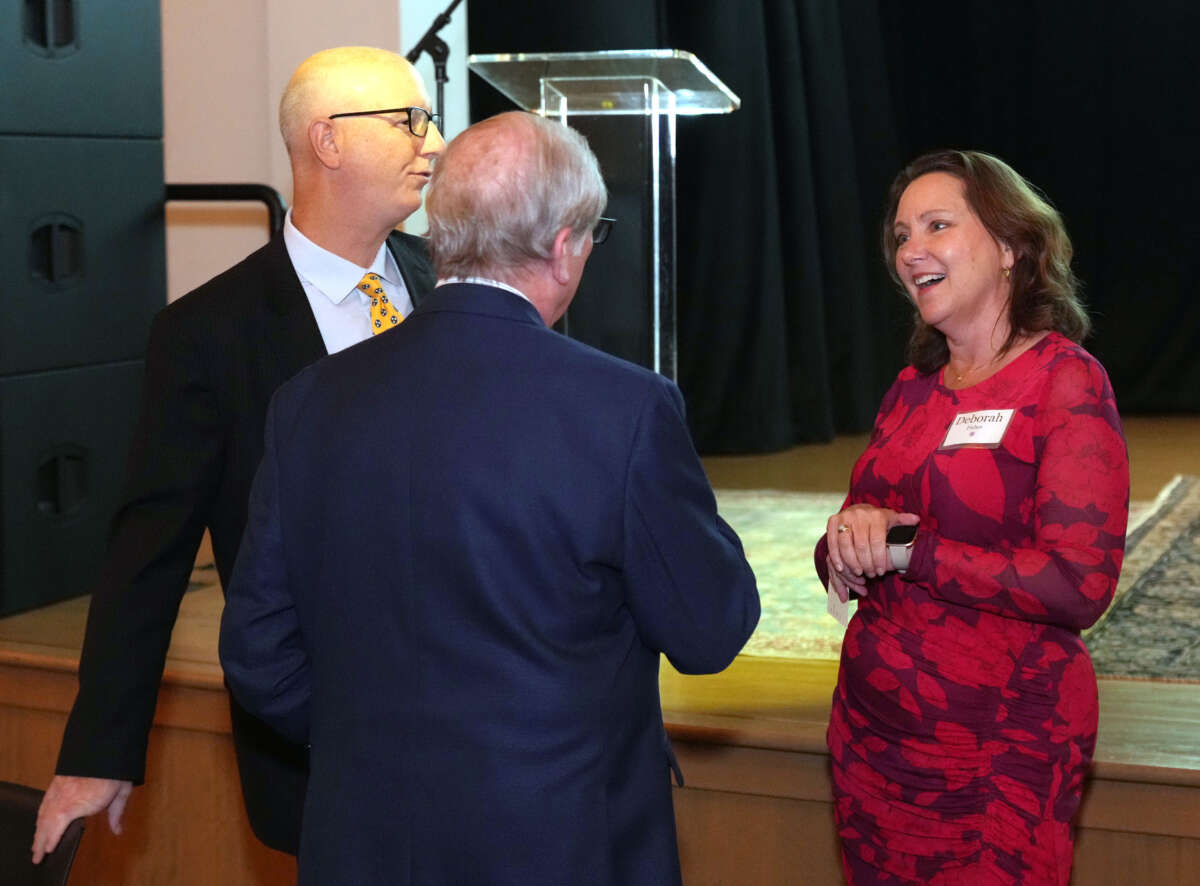
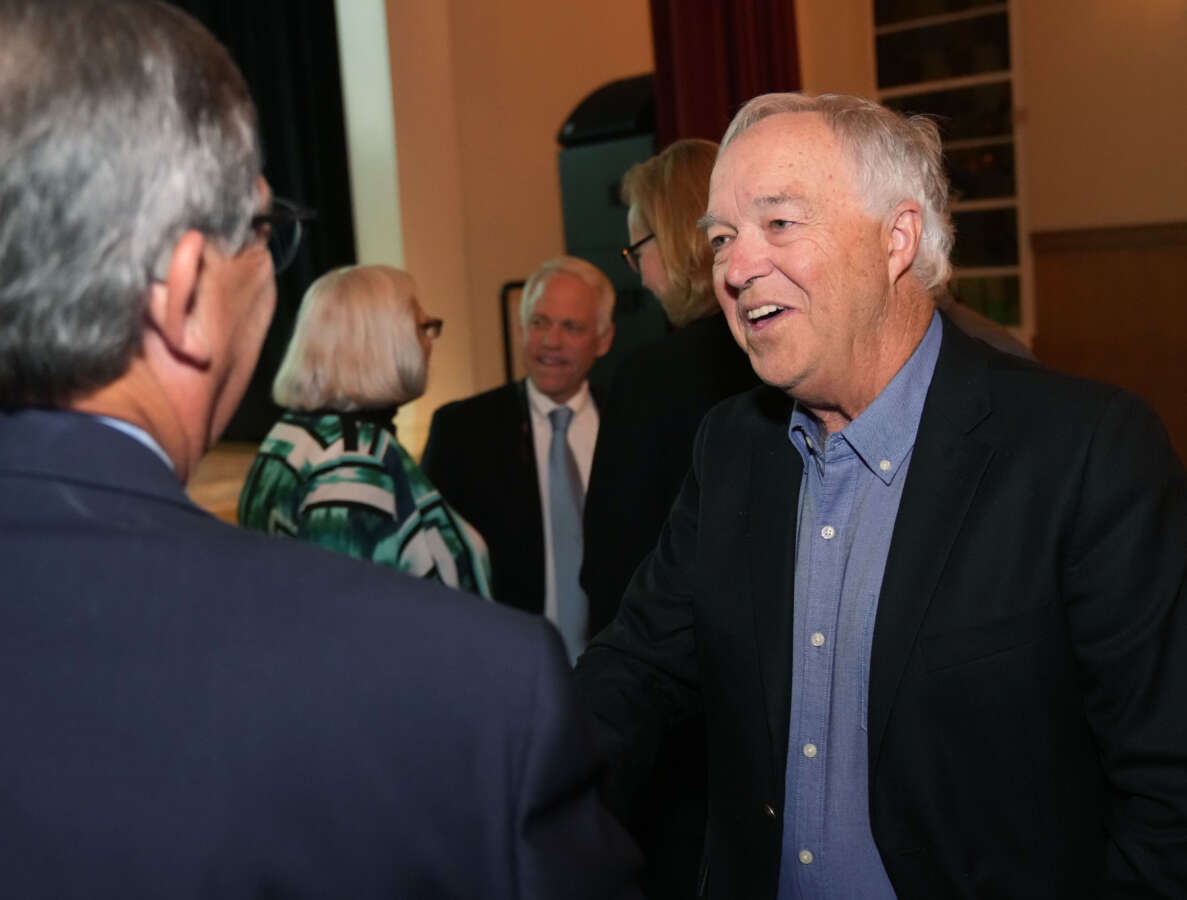
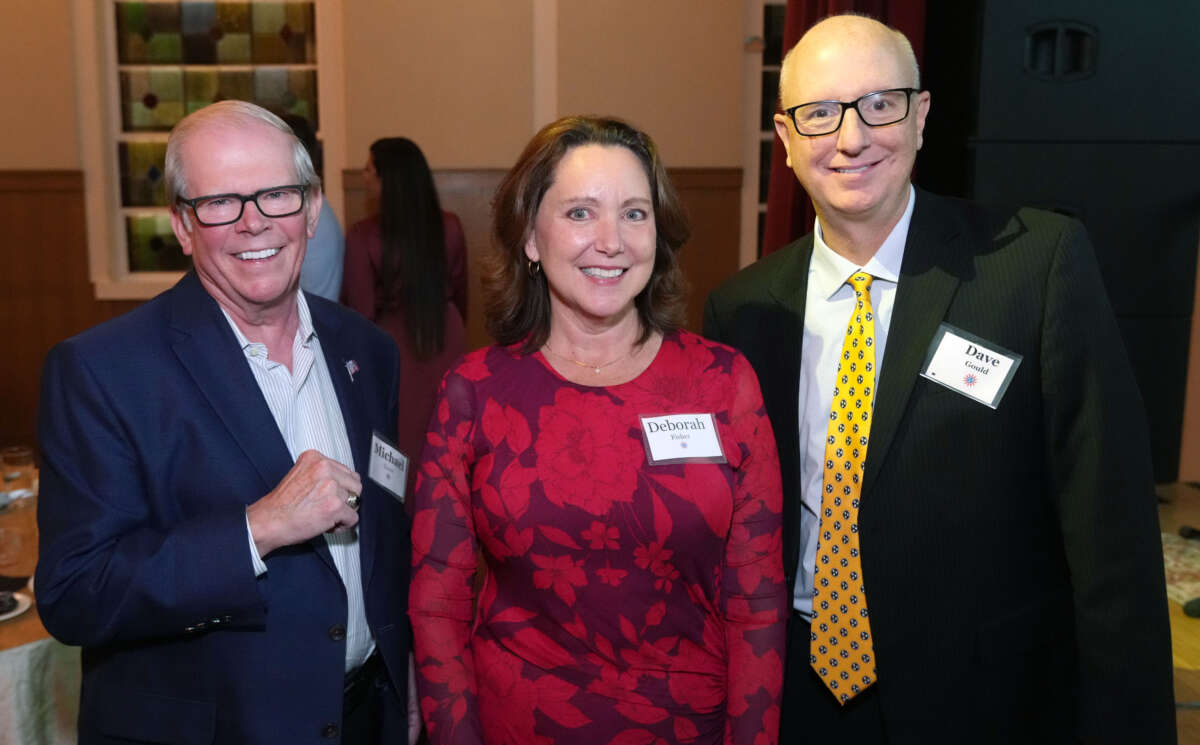
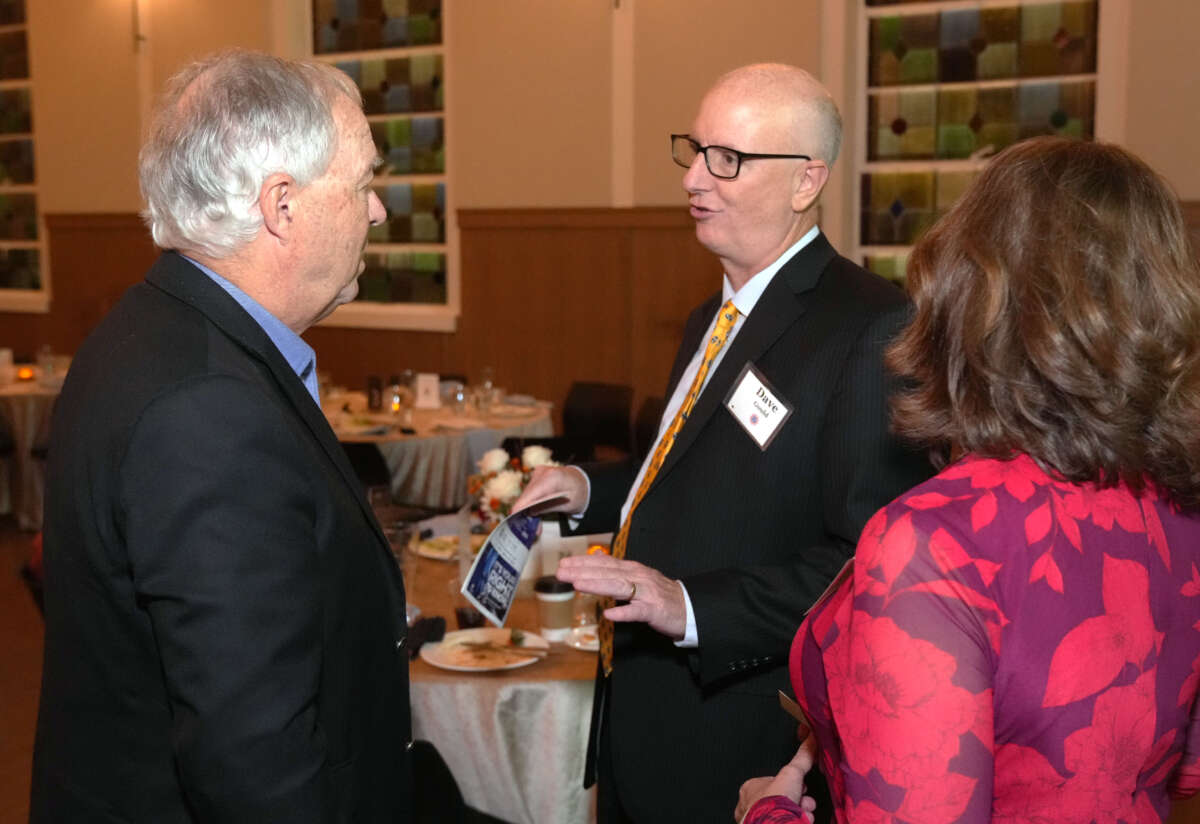
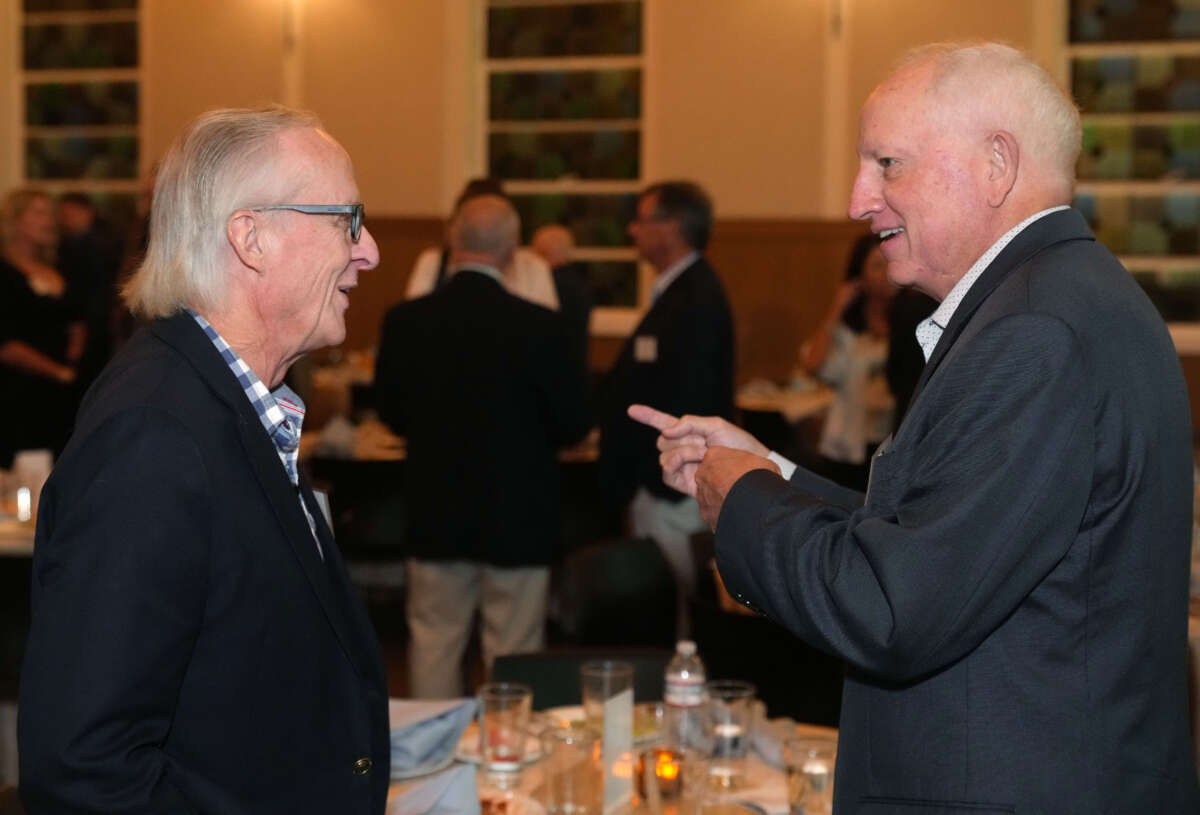
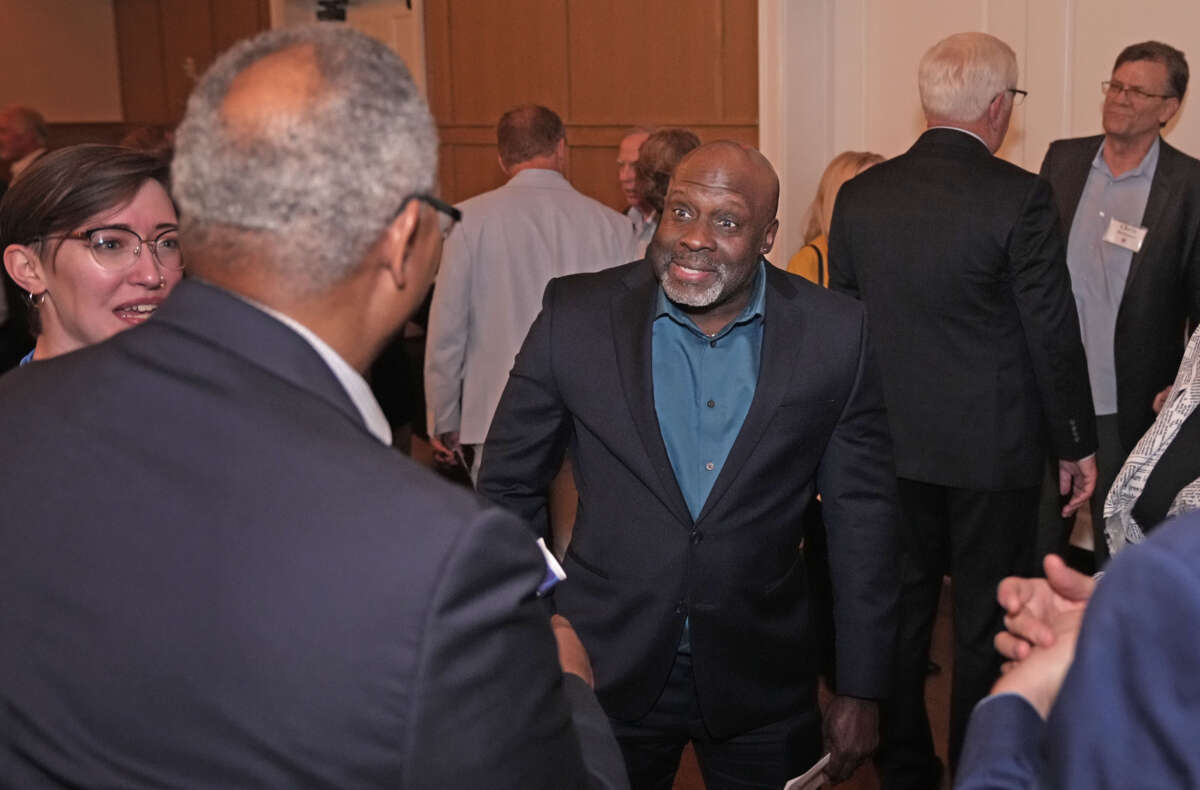
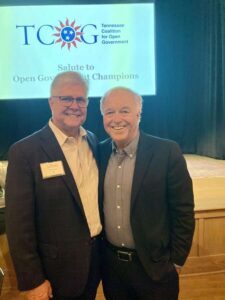
TCOG’s Salute to Open Government Champions
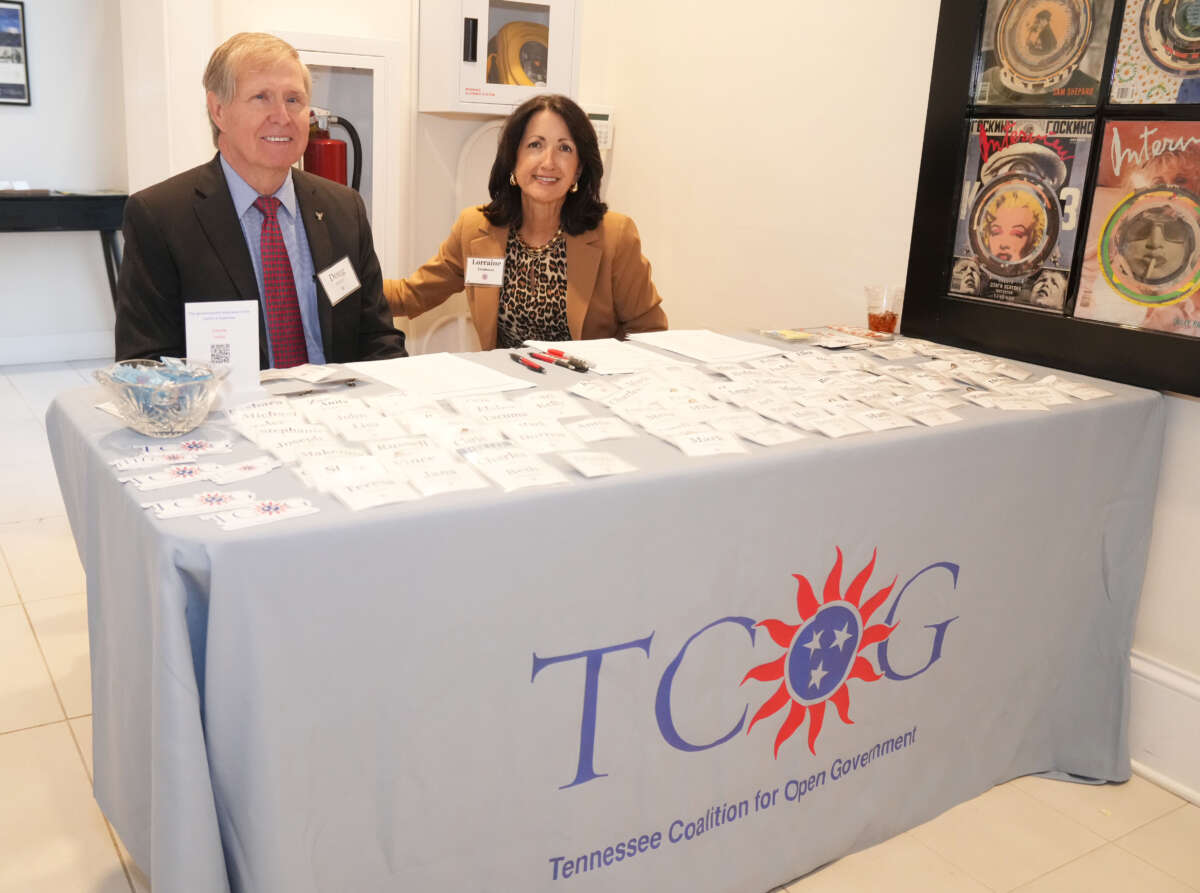
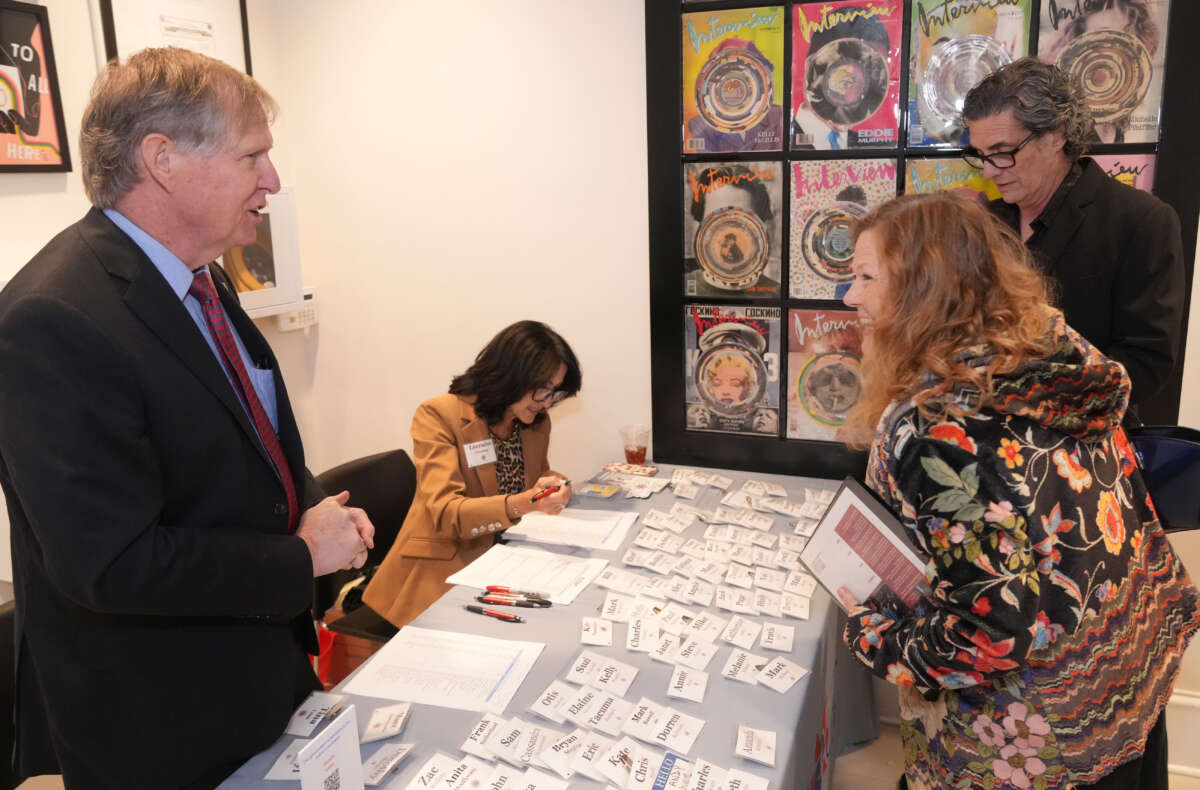
Tennessee Coalition for Open Government held a Salute to Open Government Champions dinner on Oct. 22, 2025, to honor four individuals who have spent decades seeking truth and sharing it with the public. They have had a profound impact on public transparency in Tennessee, the First Amendment and a free press.
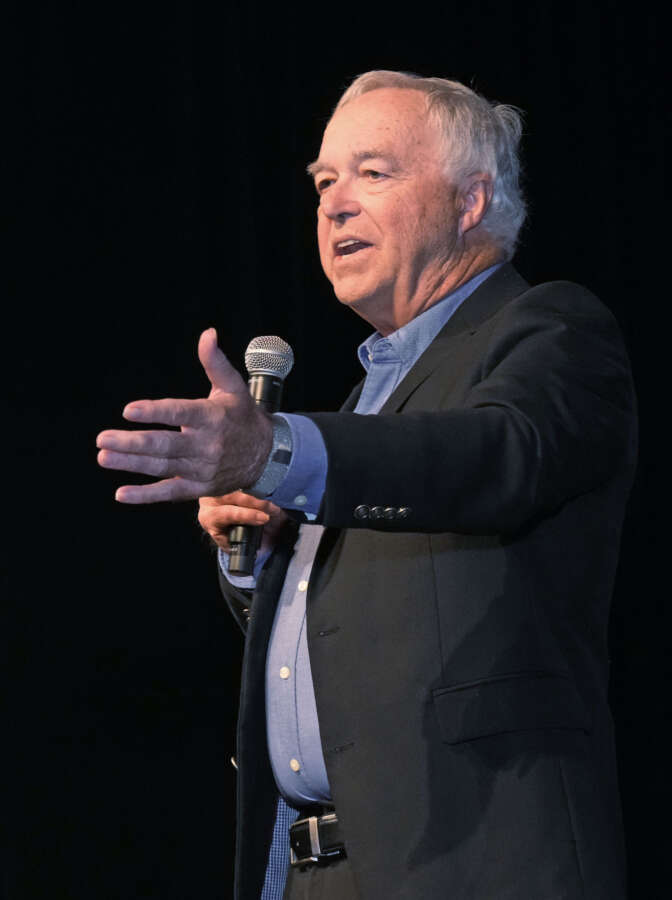
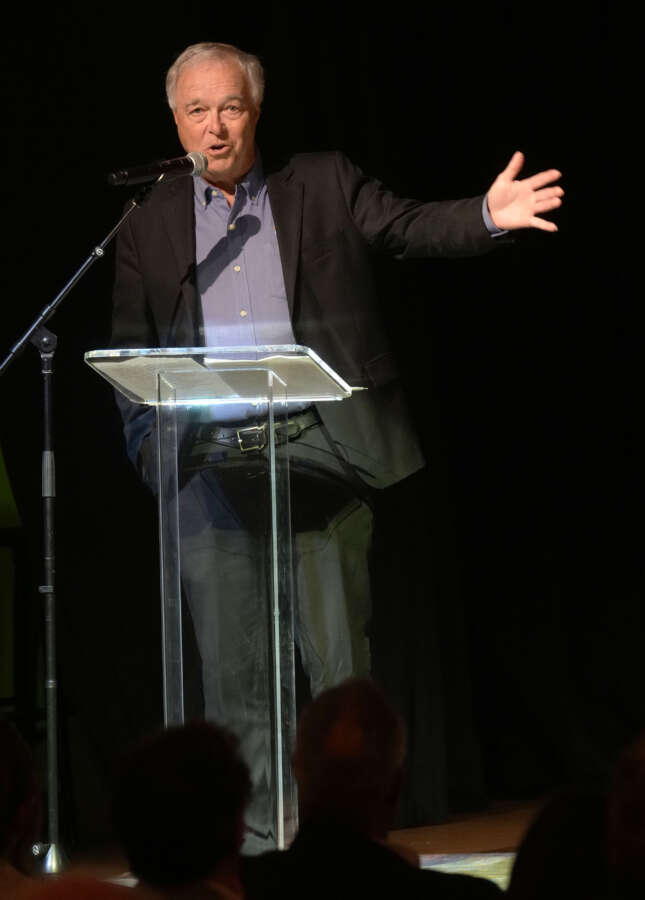
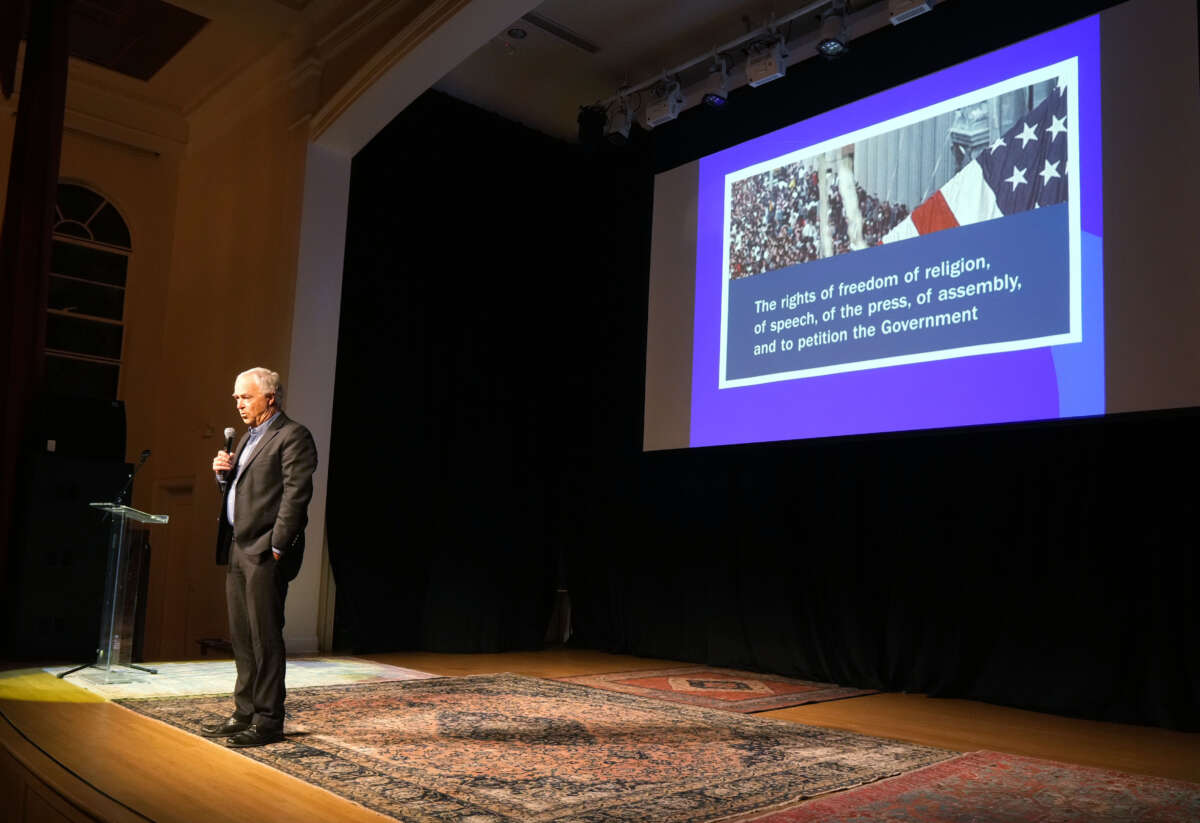
Ken Paulson, director of the Free Speech Center at Middle Tennessee State University, received a Voice of Freedom Award for his lifetime of service and advocacy of the First Amendment.
Three received an Open Government Champion award: Dr. Dorothy Bowles, University of Tennessee professor emerita; Marc Perrusquia, longtime journalist and now executive director of the Institute for Public Service Reporting at the University of Memphis; and Phil Williams, investigative reporter for NewsChannel 5.
Ken Paulson
Ken Paulson knew he wanted to be a journalist since he was six or seven years old. He was fascinated by how cool Clark Kent and Superman were.
After graduating from Mizzou’s School of Journalism and then law school at the University of Illinois, he was hired by the Fort Myers News-Press in July 1978. His position: police reporter/newsroom attorney/rock critic. He rose through the ranks of Gannett including a stint on the USA Today launch team in 1982.
Ken fortified his passion for the First Amendment when he joined John Seigenthaler at the First Amendment Center at Vanderbilt University in 1997. For a decade, the duo worked nationwide to educate not only students, but he public, on the importance of the First Amendment.
Ken created Speaking Freely, an Emmy-honored interview show on public TV where he spoke with dozens of artists and authors about how the First Amendment made their work possible. He sought to bring an understanding of the First Amendment in unconventional ways, writing Freedom Sings, which featured professional musicians playing censored songs. The show as performed on college campuses nationwide over a 20-year span.
He returned to USA Today in 2004 as its top editor to restore trust and confidence in Gannett’s flagship newsroom after a scandal. Five years later, after rebuilding the national publication to significance, he moved to the Newseum and then the First Amendment Center once again as president.
Ken wore two hats for a while when he also became dean of the College of Mass Communication at Middle Tennessee State University in 2013. Under his leadership, MTSU rechristened the College of Media and Entertainment, created a highly successful Americana music format for WMOT, and developed extensive engagement with the Grammys and other media partnerships.
After he retired as dean emeritus in 2019, he founded the Free Speech Center at MTSU, where his work educating the public and promoting the First Amendment and a free press continues today.
Dorothy Bowles
Dr. Dorothy Bowles grew up on the Louisiana bayous but found herself in West Texas when it came time for college. She earned a bachelor’s degree at Texas Tech and worked as a reporter and a sports editor, reportedly the first female daily sports editor in the state of Texas. In Lubbock, she also advised student publications for the school district. Her students’ weekly newspaper and yearbook were named the best in the state of Texas.
Dorothy continued her education, earning a master’s degree at the University of Kansas and then a doctorate at the University of Wisconsin. Those were the days of anti-war protests. As a student press advisor in Wisconsin, Dorothy stood up for her young journalists’ rights, leading one editorial writer to label her the “den mother of the student revolutionaries.”
Dorothy returned to the University of Kansas as a professor, then in 1987, she joined the faculty of the University of Tennessee, where she today is honored as professor emerita. She has authored or co-authored half a dozen books and written countless scholarly articles about editing and communication law. She has advised scores of graduate students on theses and dissertations and has encouraged and taught thousands of aspiring journalists.
But what really sets Dorothy apart is her service. As a stalwart of the Association for Education in Journalism and Mass Communication, she worked on so many programs and committees that the group now bestows the Dorothy Bowles Award for Outstanding Public Service every year. For 30 years she’s been active in the Society of Professional Journalists, serving as president of the East Tennessee chapter of SPJ. During her term, the ETSPJ was named the “best small chapter in the nation.”
Dorothy is especially proud of her work with the Student Press Law Association. She and a handful of other student press advisors founded the group more than 50 years ago. It struggled financially until landing a challenge grant from the Knight Foundation. Dorothy helped the group meet that challenge by donating her teacher retirement fund to the cause.
Then there’s TCOG. Dorothy was a founder of the organization. She landed its first donation, played a central role in the public records audit that launched the group in 2004, and served on its executive committee as board secretary for 20 years.
Without Dorothy’s selfless contributions, TCOG would not be the organization it is today, and without her lifelong service to the First Amendment, citizens of Tennessee and across America would, surely, be worse off.
Marc Perrusquia
Marc Perrusquia grew up in Wisconsin and earned a degree in journalism at the University of Minnesota. He worked in Duluth and Florida before landing in Memphis, planning to stay a couple of years.
Life happened, and he spent three decades at The Commercial Appeal, becoming the newspaper’s most notable investigative reporter. His stories led to the firing of 80 felons working in public classrooms; to the conviction of poll workers in a dead-voter scheme; and to the prosecution of powerhouse state Sen. John Ford in a kickbacks case. His national awards included the American Society of Newspaper Editors’ Punch Sulzberger Award, Sigma Delta Chi awards for both feature writing and investigative reporting; and the Hal Hovey Award for local reporting. His series on foreclosures in Memphis’s Habitat For Humanity program was a finalist for the Associated Press Managing Editors national public service award.
Marc’s reporting shaped public records law for all Tennesseans. When tax dollars were flooding into subsidized day care, Marc examined the operations of Cherokee Children and Family Services in Memphis and uncovered massive embezzlement.
His demand for records triggered a court battle that The Commercial Appeal won at the State Supreme Court level. The ruling established that all organizations that operated as the “functional equivalent” of a government agency had to obey the state’s public records law, a vital precedent that endures today.
The investigation also sent several crooks to jail and sparked the FBI’s interest, prompting the Tennessee Waltz investigation that shook the state a few years later.
In another dazzling public records coup, Marc spotted an obscure reference in an FBI document. He used that to reveal that Ernest Withers, the famed Civil Rights photographer, also doubled as an FBI informant.
The disclosure proved that the government had lied about its monitoring of the Civil Rights movement and rewrote an important part of Tennessee’s history.
Marc left The Commercial Appeal seven years ago to launch the Institute for Public Service Reporting at The University of Memphis, a non-profit investigative newsroom that also mentors journalism students. He continues to work there today as executive director.
Phil Williams
Phil Williams is a native son of Tennessee. He was born in Columbia, moved to Nashville as a teen, and graduated from Middle Tennessee State University. He spent time as a newspaper reporter in Florida, then came back home to work at the Tennessean. He switched from newspapers to television in 1992 and has been an investigative reporter with NewsChannel 5, for almost three decades.
During his 40-year career, Phil developed a reputation for reporting that exposes corruption, shines light on society’s most critical issues and confronts hate.
His name strikes fear in the hearts of scammers, schemers and political crooks. One prominent Nashville political strategist was quoted as saying: “If the press calls, call your PR person. If Phil Williams calls, call your lawyer.” HBO’s John Oliver dubbed Phil “Nashville’s Nosiest Bitch” and cited his work as an example of the type of unflinching journalism desperately needed in America.
Phil’s work has earned him high honors. He is a five-time recipient of both the duPont-Columbia Award and the George Foster Peabody Award. In 2023, Phil became the first local broadcaster to be recognized with the John Chancellor Award for Excellence in Journalism. That same year, he was the first TV reporter to be honored with the Toner Prize for Excellence in Political Reporting.
In 2024, Phil was named the recipient of the Radio Television Digital News Association Lifetime Achievement Award. At the Tennessean, he also was a finalist for the Pulitzer Prize for Public Service.
Besides doing his own work, Phil contributes to the development of his profession. A former board member of the Investigative Reporters and Editors, he conceived and led the effort to create the Don Bolles Medal to recognize investigative journalists who stand up against intimidation and efforts to suppress the truth about matters of public importance. He frequently speaks to journalism students about his passion for investigative reporting.
Phil’s hard-hitting, exhaustive journalism has resulted in him being repeatedly listed among the most influential people in Nashville and the state of Tennessee.
Protecting the public’s right to know
By Deborah Fisher
Executive Director, TCOG
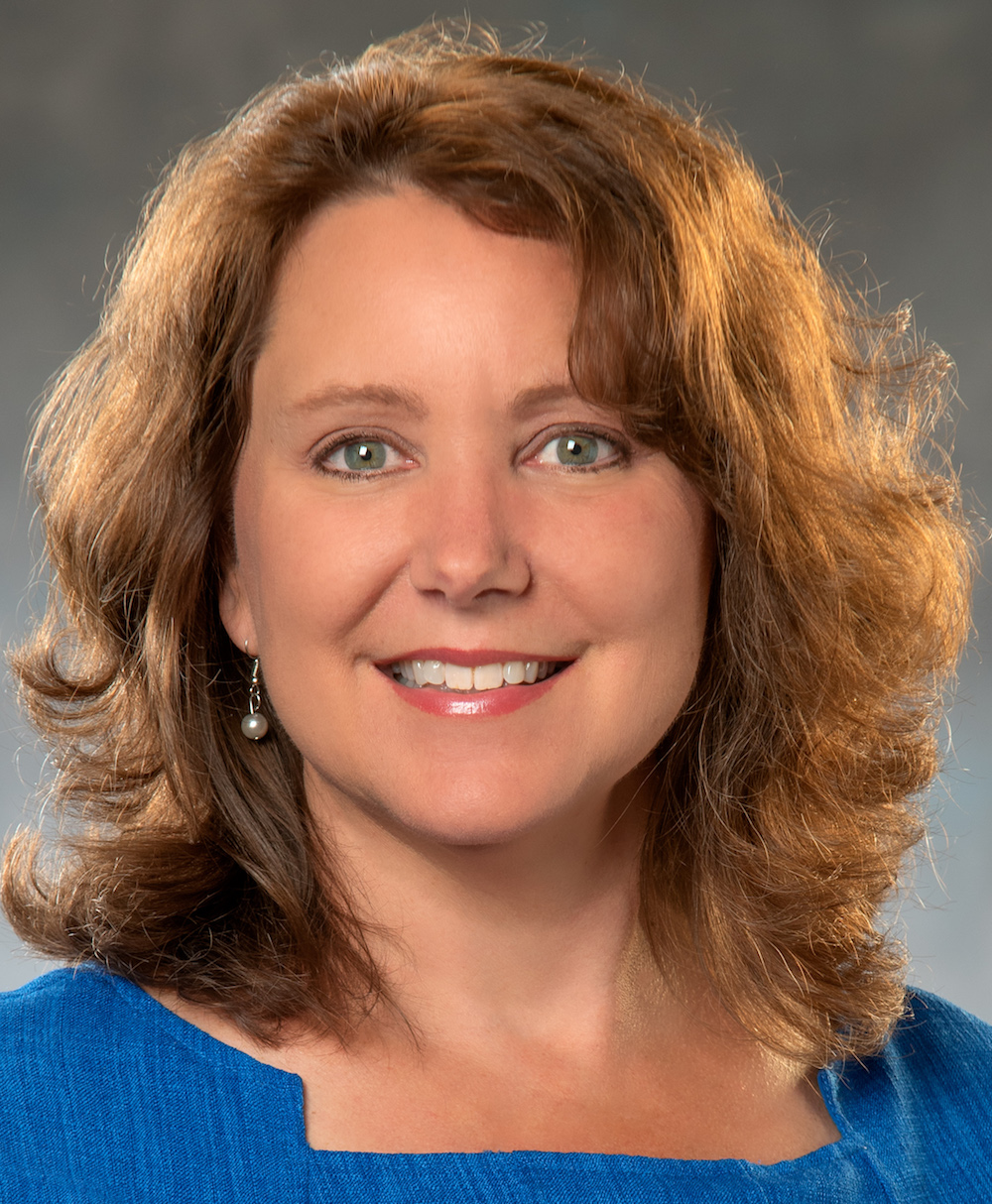
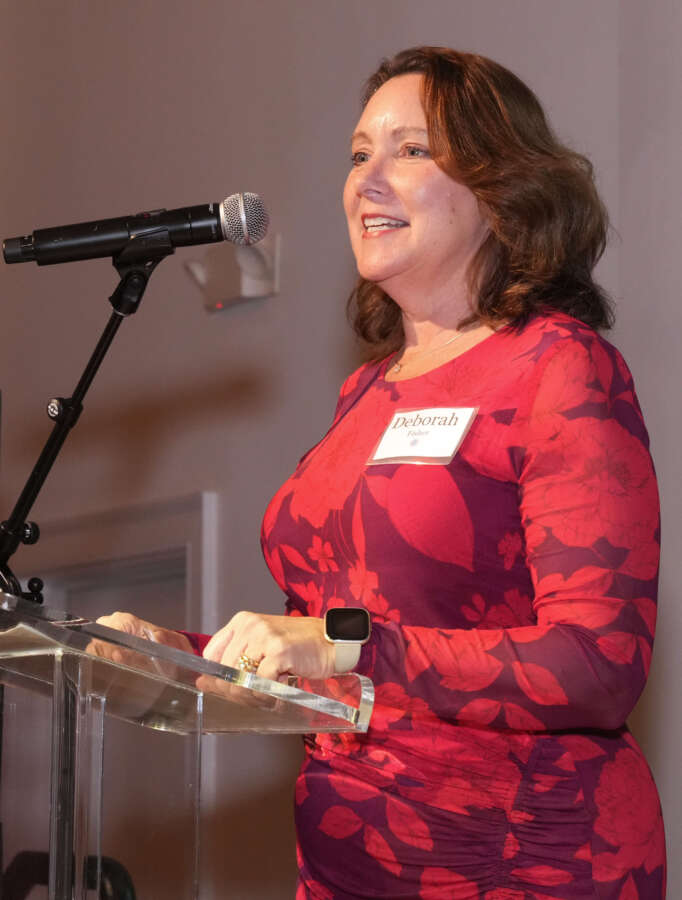
Deborah Fisher, executive director of Tennessee Coalition for Open Government
The Tennessee Coalition for Open Government’s mission rests on the belief that citizens have a fundamental right to know what their government is doing. Without this information, the government cannot be held to account by its citizens.
Government means all three branches — executive, legislative and the judiciary. Lack of transparency in any of these undermines public trust and creates an environment in which cronyism and corruption can thrive. It also robs citizens and the press of the ability to independently examine their government, rights established in the Tennessee Constitution.
Formed in 2003 to preserve and protect transparency in government, TCOG focuses on education about citizen rights under Tennessee’s public records and open meetings laws, as well as rights of access to judicial records and proceedings.
We have developed a track record of identifying emerging problems — such as fee escalation and delays — and have advocated for solutions to protect the public’s “right to know.”
Our programs include:
- A Help Line for media and citizens facing access problems (records, meetings, including courts)
- Advocacy for open government principles, including identifying and convening partners on key issues
- Education through workshops and civic presentations
- Newsletter and website resources
- Surveys, audits and other research
- Legislative tracking and advocacy
- Court case tracking
- Media visibility through news interviews and published columns
TCOG is supported by individual citizens, media organizations, law firms, good government organizations and nonprofit groups who have an interest in open government. TCOG is a 501(c)(3) and contributions are tax-deductible.















‘We are reaching a point of crisis when it comes to accessing public information’
By Marc Perrusquia
Earlier this week I had the honor of being recognized by the Tennessee Coalition for Open Government for my work in the freedom-of-information field.
I’m grateful to TCOG for dubbing me an “Open Government Champion,” a sort of lifetime achievement award for journalists. I’ve had the privilege of working with a lot of good people over the years and this wouldn’t have been possible without the help of my many colleagues at The Commercial Appeal, the Institute for Public Service Reporting and the University of Memphis.
 Awards are nice. But they also provide a chance to pause and reflect, to measure the pain and pleasure of our journey — to take stock of where we are and how we got here.
And my chief takeaway right now is this: We are reaching a point of crisis when it comes to accessing public information in Tennessee. When I started working here in 1989, Tennessee was a true records-on-demand state. I could visit practically any public agency and, more often than not, walk away with copies of public records that same day. Now, I often wait weeks, months — even years — to get records.
Sometimes, I get nothing at all. Legislators have carved out an estimated 600 exceptions to the Tennessee Public Records Act, a consequence of the oversized influence of special interests. Whole bodies of records once open to the public are now sealed.
This is not conducive to open government.
Secrecy keeps the public in the dark and it hurts our democracy.
Just as bad, many records that remain open come with steep fees and long delays that make access more theoretical than practical.
From where I sit, the motives behind these hurdles are often steeped in contempt. At times they are purely political.
Consider this: Earlier this month, state Sen. Brent Taylor emailed a public records request to the Shelby County Sheriff’s Office — after hours, at 7:21 p.m. —seeking body camera footage that appeared to contain politically damaging information about a rival. Forty-four minutes later — at 8:05 p.m. — the sheriff’s chief policy adviser Debra Fessenden responded, indicating the Sheriff’s Office would release the footage. Taylor posted the footage on Facebook the next day.
Forty-four minutes. That’s all it took — 44 minutes.
That kind of speed and ease of access has become completely foreign to me.
In fact, when I requested video footage in 2022 of a Memphis police officer beating a shackled detainee in the booking room at the Shelby County Jail, the Sheriff’s Office denied my request. I sued in Chancery Court but lost. The Sheriff’s Office fought me all the way to the Tennessee Supreme Court, which declined to hear the case, effectively siding against openness — wrongly so in the view of my public-interest-minded attorneys at the Reporters Committee for Freedom of the Press.
But all is not lost. We still have a very robust, independent news media in Tennessee. We have the Reporters Committee. We have TCOG, whose leaders have done more than anyone in the state over the past two decades to preserve access to records and promote the public’s right to know.
At the TCOG ceremony we heard some very inspiring words from Ken Paulson, director of the Free Speech Center at Middle Tennessee State University, who received the Voice of Freedom Award for his long and colorful career advocating for the public’s right to know.
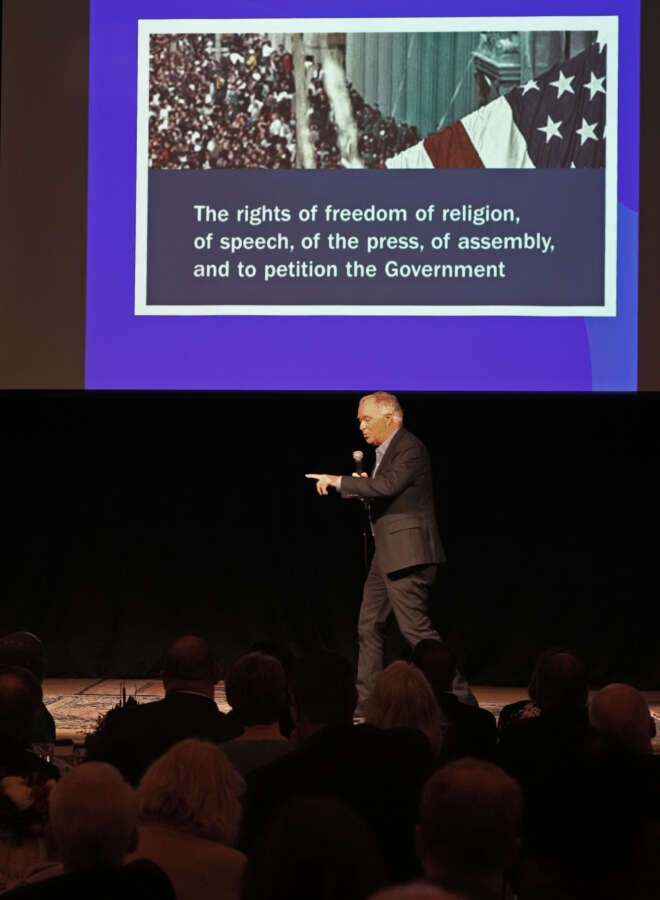
I don’t have any direct quotes, but his essential message was this: The First Amendment grants us extraordinary powers. They include free speech. The right to dissent. The right to a free and independent press. Collectively, these amount to power — power to ensure that our government works for us. For we the people.
It may seem these rights are under attack as never before.
But, as Paulson said, if we all stick together — if we all stand up — we can preserve our cherished liberties.
Together, we can reinforce the guardrails the protect us from special interests and corruption — that protect and preserve our sacred democracy.
We can all be champions of open government.